
Star-Studded LA Phil ‘Valkyries’ Is a Thrill Ride
/By Truman C. Wang
5/27/2026
Photo credit: LA Phil
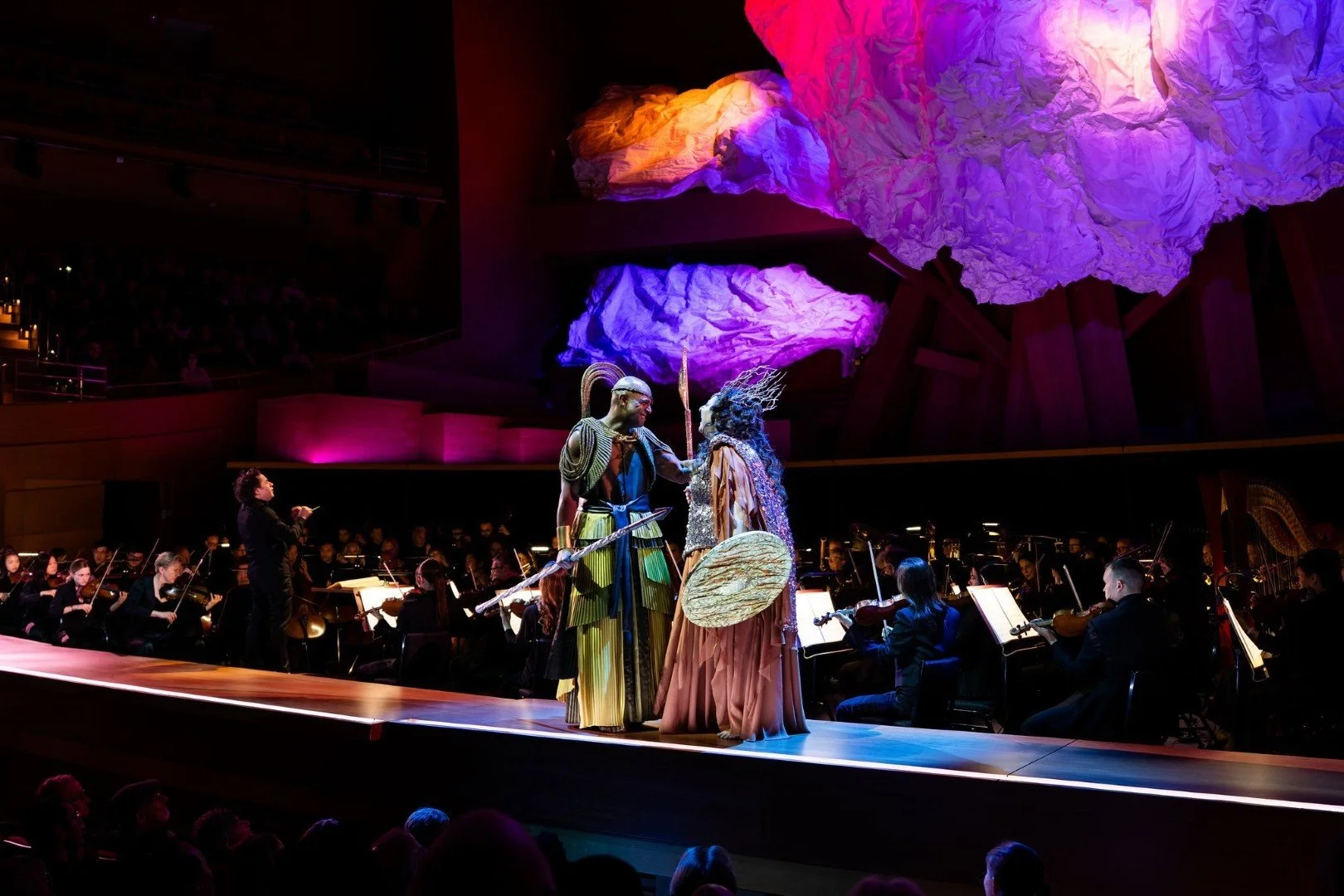
Die Walküre, the second and most popular of the four Ring operas by Richard Wagner, received a semi-staging at the Disney Hall last week. (I attended the second showing on May 22, 23, 24). It was a star-studded affair. Gustavo Dudamel, the LA Phil’s departing Music Director, conducted his final opera in a hall designed by late architect Frank Gehry (who also designed the opera’s set.) Christine Goerke’s star Brünnhilde needs no introduction. The up-and-coming Wagnerian hopeful Ryan Speedo Green’s Wotan, a practice run for the Met Ring, was roundly criticized in the New York Times. The Met is no longer a place where first-league conductors or Wagnerian singers appear much (Lise Davidsen being a lone exception.) The finest Wagnerian performances I heard in recent years took place in Seattle and Dallas.
Inexplicably, the powers that be at LA Phil decided to mount the three-act, four-hour opera over three evenings – a brilliant financial move, obviously, but at the expense of dramatic continuity. The fury with which Wotan dispatches Hunding at the end of Act two should spill over into the frantic Ride of Valkyries at the start of Act three, but here a sense of urgency and imminent danger was lost.
Ever since Bayreuth reopened after the Second World War, in 1951, it has been customary to devote critical attention first to the director and his designer, not to the singers and their conductor. In this review, I intend to right the wrong and put singing and music first.
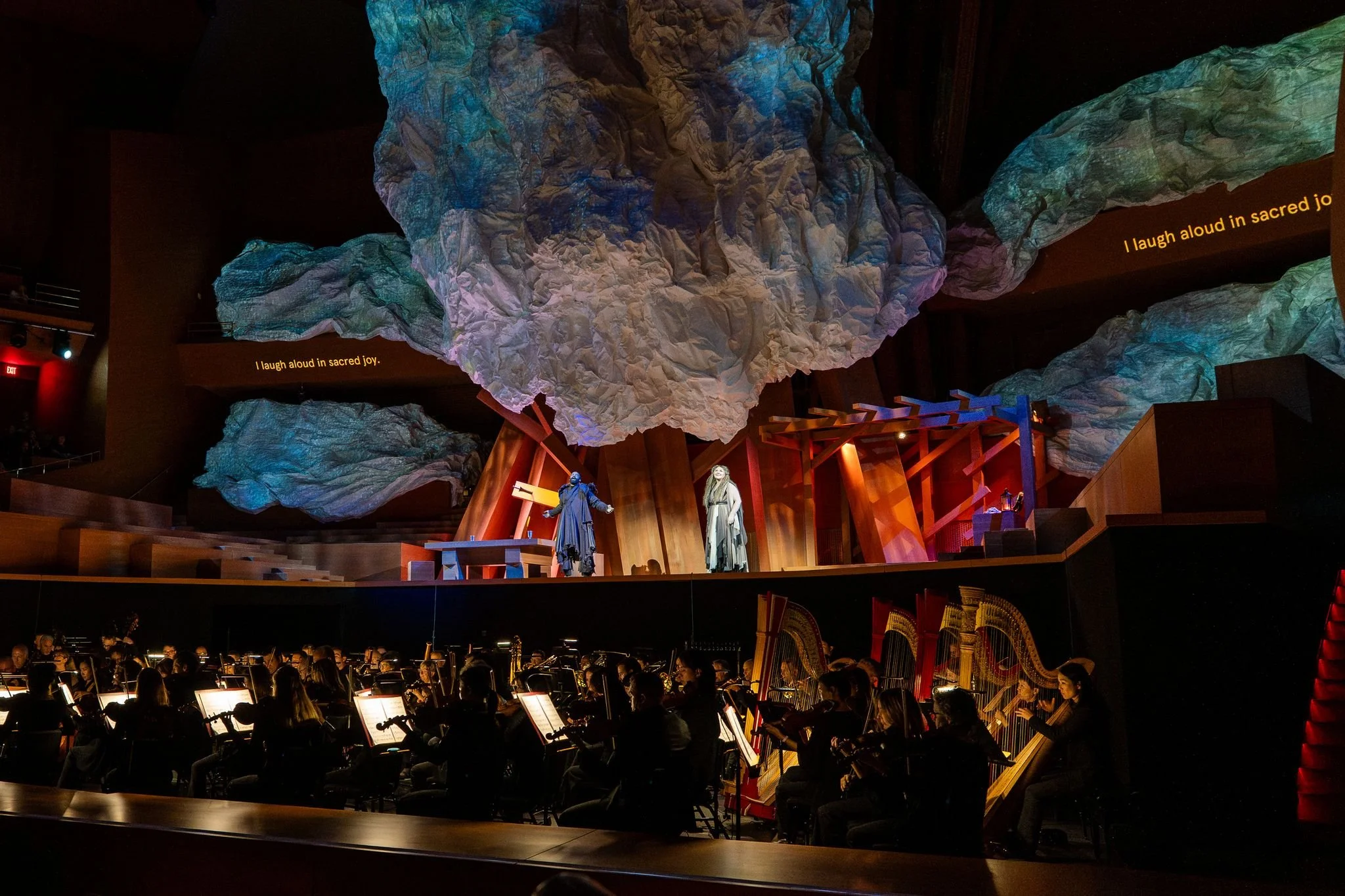
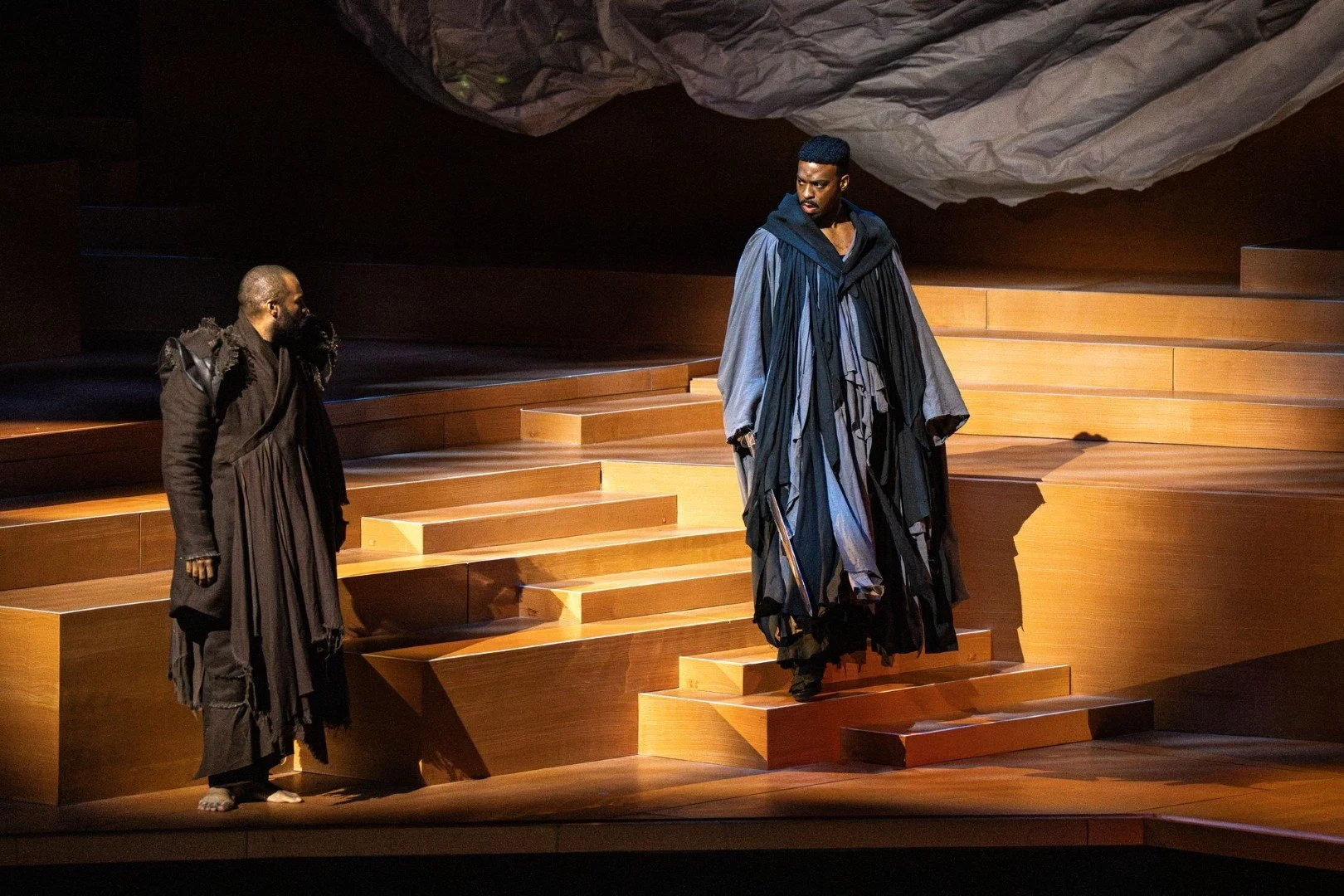
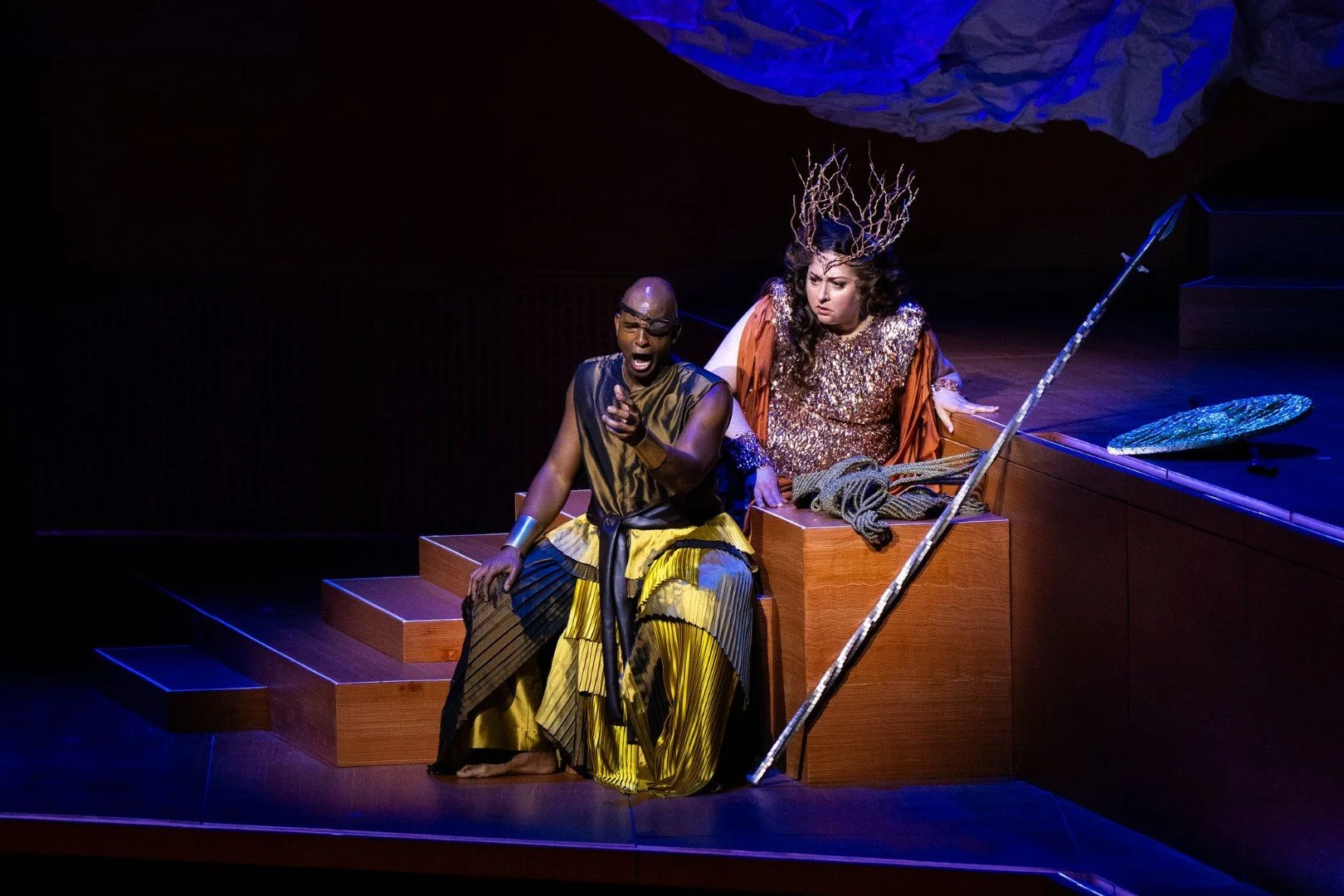
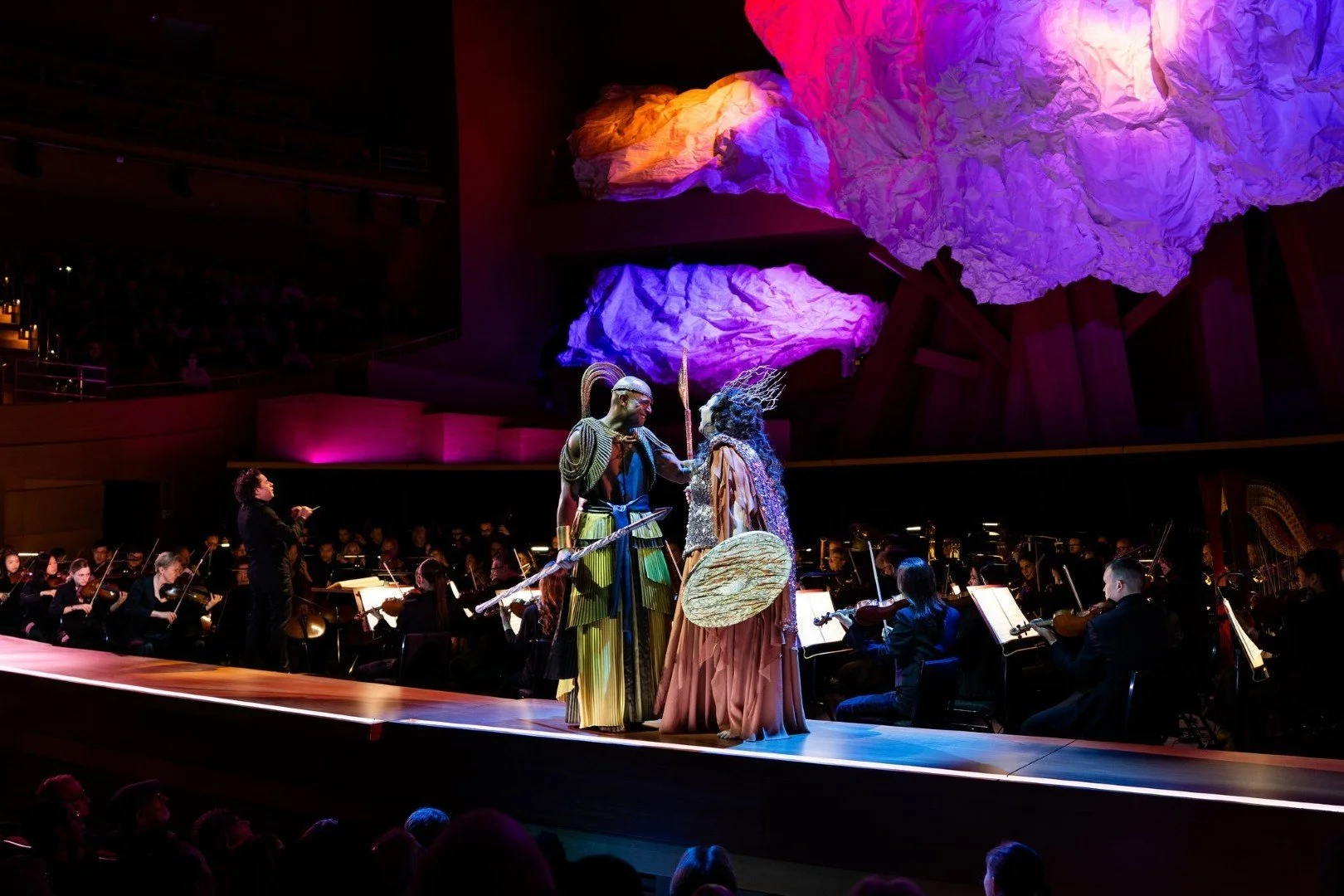
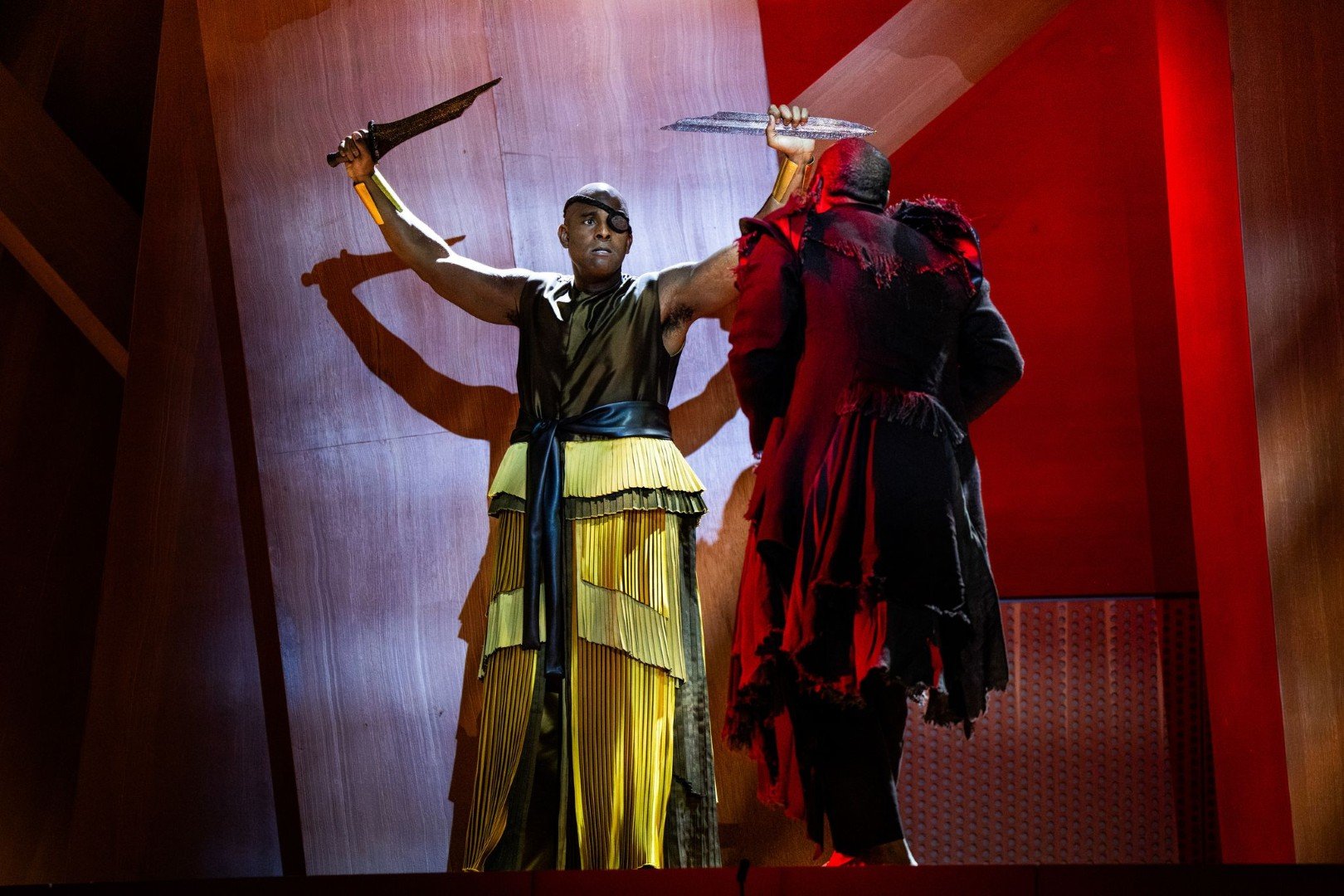
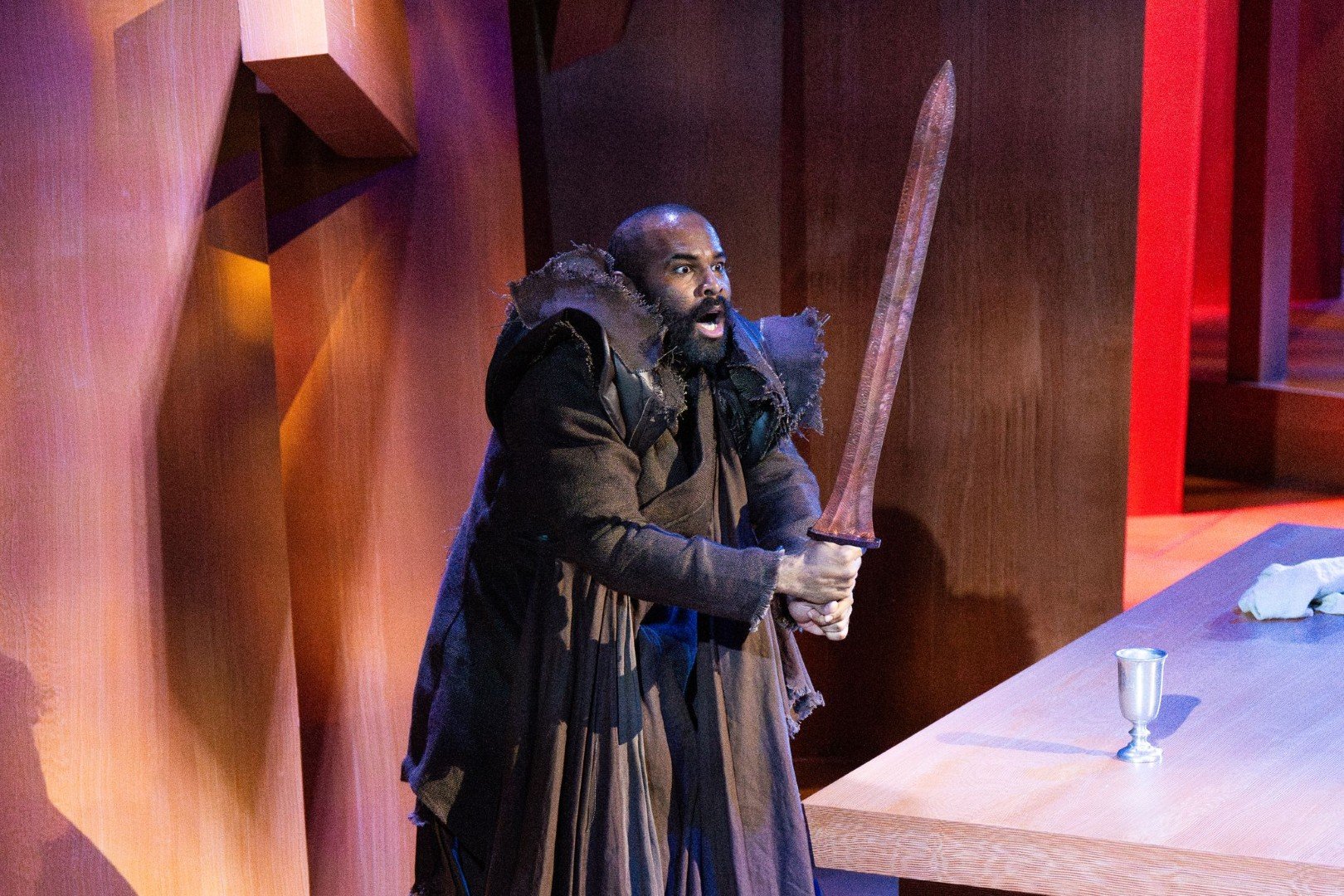
The LA Phil’s Walküre cast included both veterans and Wagnerian newcomers. Ryan Speedo Green’s Wotan was assured, although his bass-baritone lacks the nobility of timber which the music calls for. He sang cleanly and distinctly but delivered his sentences with too even an emphasis – rather as if he had learned to pronounce German without quite learning to speak it. Despite one night’s rest between Acts two and three, Green’s singing began to flag during Act three and his wobbling tone marred the tender moments in Wotan’s Farewell. It was a troubling sign for a singer at 40 and presumably in his vocal prime.
The Fricka of Sarah Saturnino was splendidly incisive, intelligent, dignified, and sure. Soloman Howard was a sonorous and formidable Hunding. Jamez McCorkle, the Siegmund, was clear but prosaic. Jessica Faselt’s Sieglinde was a wonderfully fresh, warm, delicate portrayal, and it was easy to forgive some lapses of pitch, some hardening of tone.
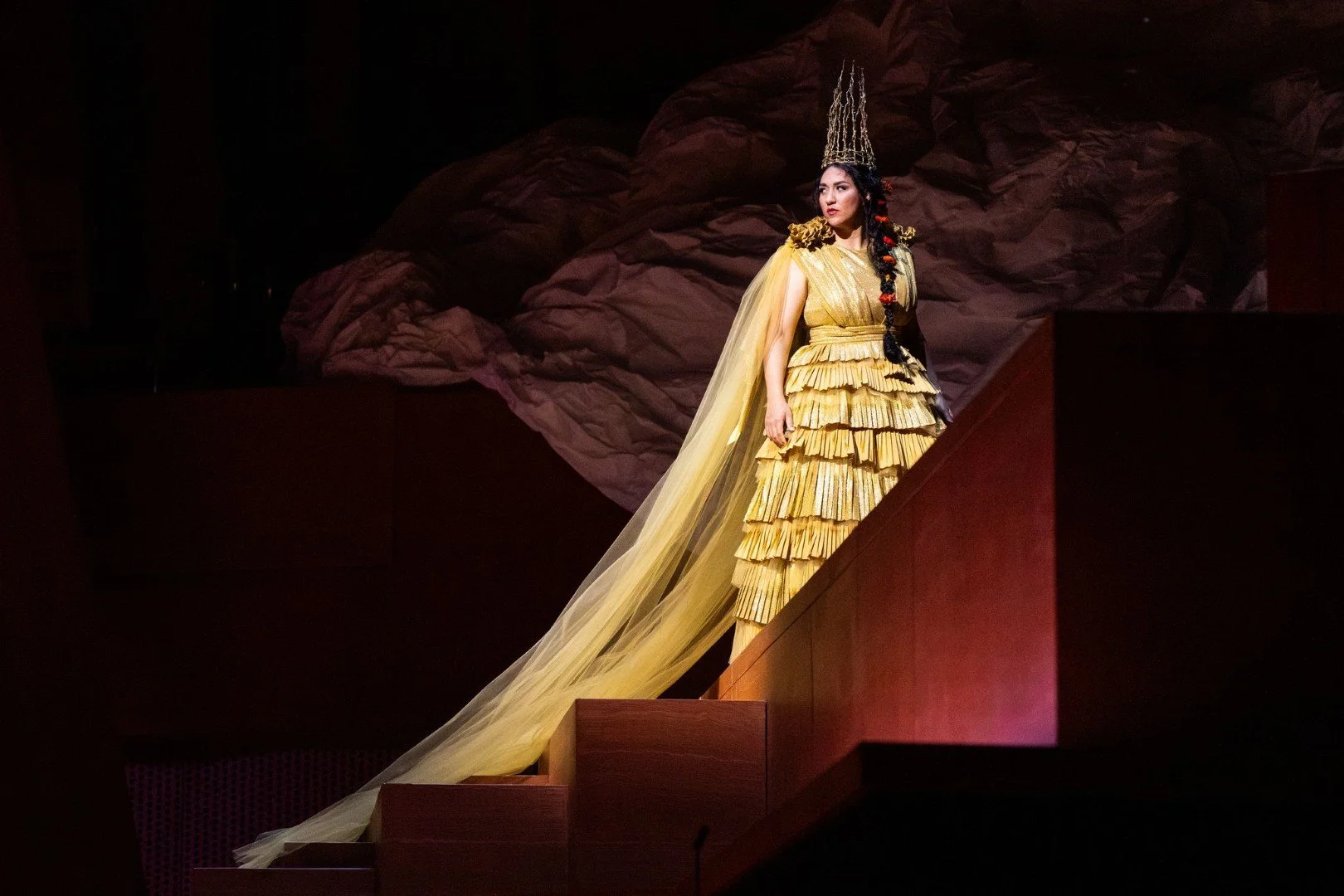
At age 57, Christine Goerke’s Brünnhilde has heard better days and more steady tones, but she can still float some beautiful, unforced high notes, and her acting remains compelling. However, the radiance that should fill Brünnhilde’s final waking moments did not shine on this occasion – the voice ran alternately flat and sharp. In contrast, her eight Valkyries half-siblings, led by the Gerhilde and Helmwige of Alexandria Shiner and Teresa Perrotta, respectively, were a solid, vivid, exciting team. By high Wagnerian standards, only the Sieglinde and Hunding should be deemed outstanding. By current Wagnerian standards, this was, by and large, a well-sung cast.
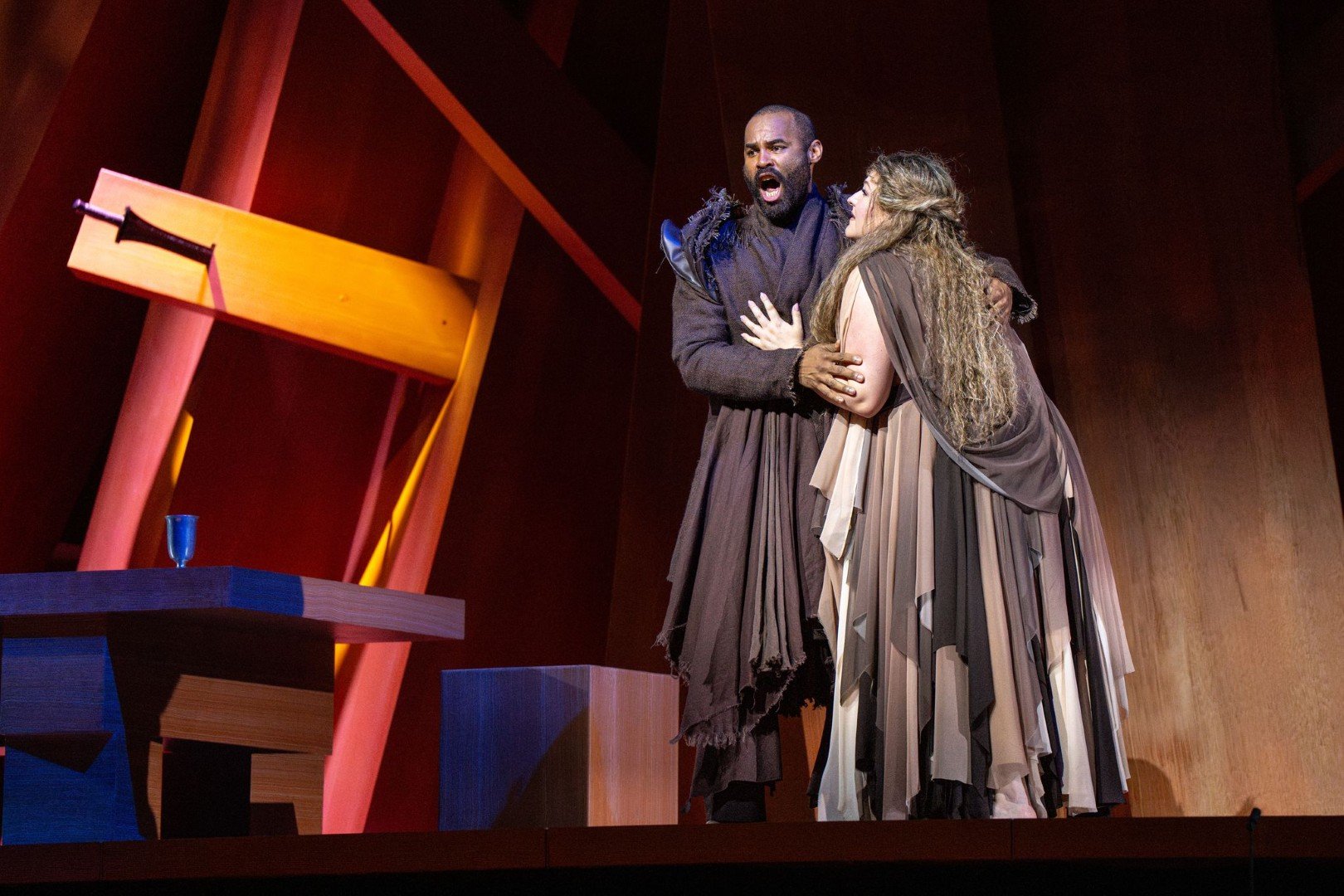
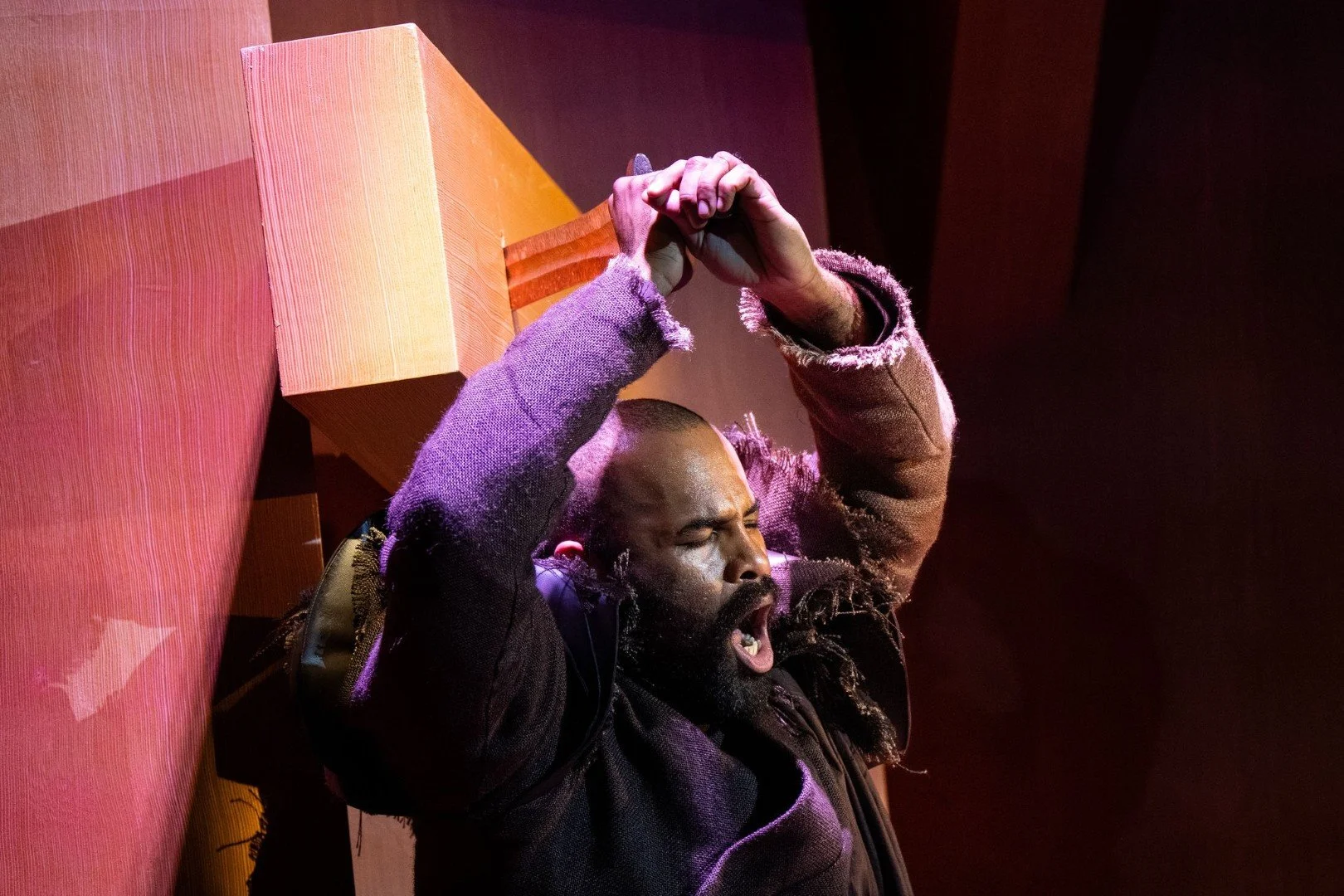
After completing the musical composition of the entire Ring, Richard Wagner was emphatic that his words alone did not make sense. “How much there is that, because of the whole nature of my poetic aim, becomes clear only through the music.” And he’s right. However obtuse the text, one can reasonably guess the actions by following the musical motifs in their various guises. The role of the conductor, therefore, cannot be overestimated.
Gustavo Dudamel, after 17 years on the job, has matured and deepened as a symphonic conductor, but never lost the wow factor of a Hollywood Technicolor blockbuster. The opening thunderstorm, with its slashing semiquavers at hurricane speed, crackled with excitement. The trumpets in the balcony blared Hunding’s motif at the start of the fight. Thunderclaps rolled from the roof and lightning flashed as an angry Wotan strode onstage in Act three. The Ride of the Valkyries surged with the expected bravado. (The orchestra deployed four harps in Acts I and III, two in Act II.)
Yet the passages that truly test a Wagnerian conductor – the long, inwardly evolving monologs, where motifs shift and emotions turn almost imperceptibly – tended to elude Dudamel. Many transitions and lyrical episodes sounded awkward rather than flowing, as when Siegmund launched into his calls of Notung. The mighty Volsung motif crescendos – in the Act two scene between Brünnhilde and Wotan, and again in Wotan's Farewell – were muted where they should have welled up passionately.
As of this writing, it was announced that Daniel Harding, a fine UK symphonic conductor (and an opera conductor more experienced than Dudamel), has been appointed LA Phil’s next Music Director. It bodes well for future operas-in-concert at the Disney and the Bowl.
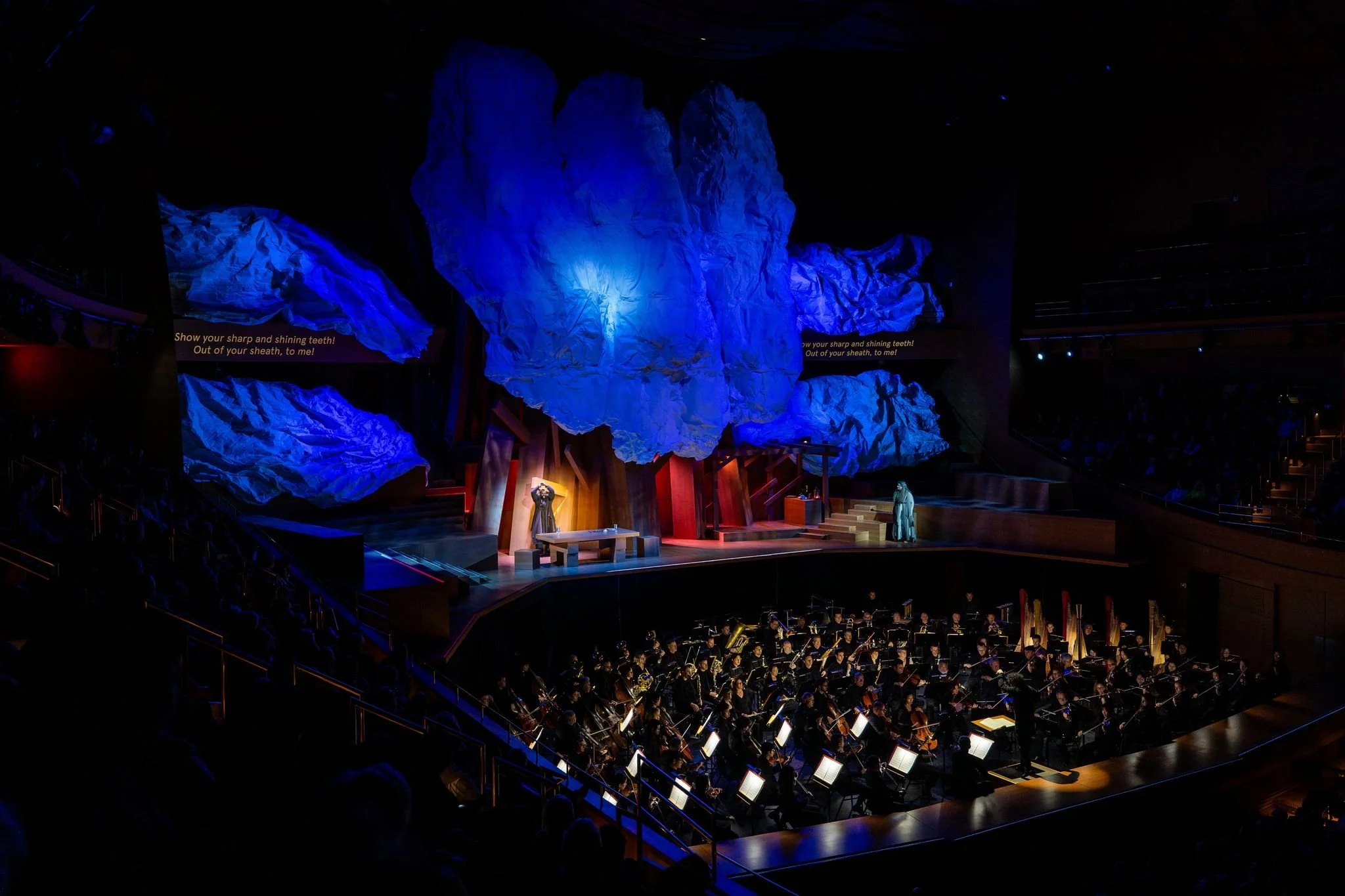
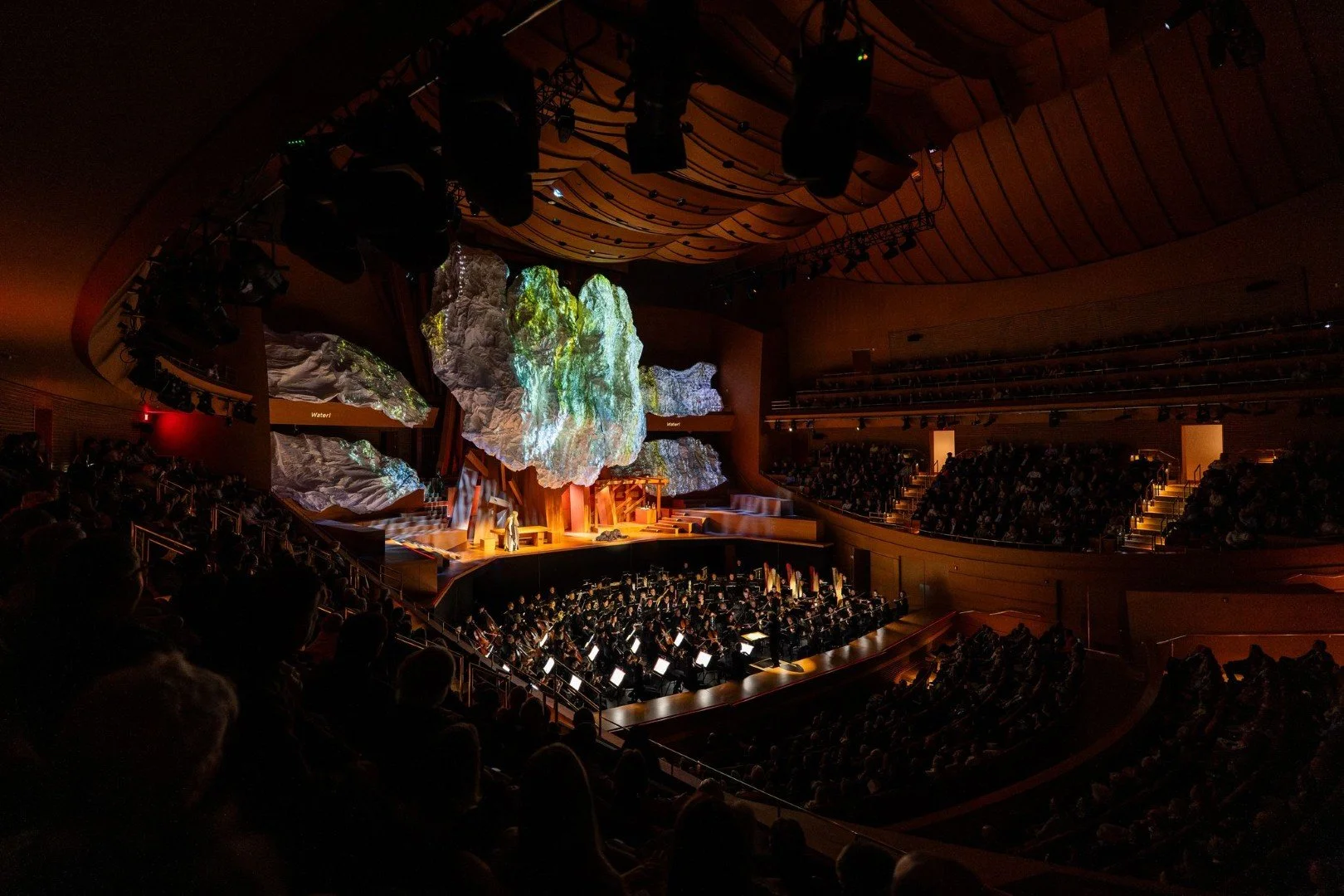
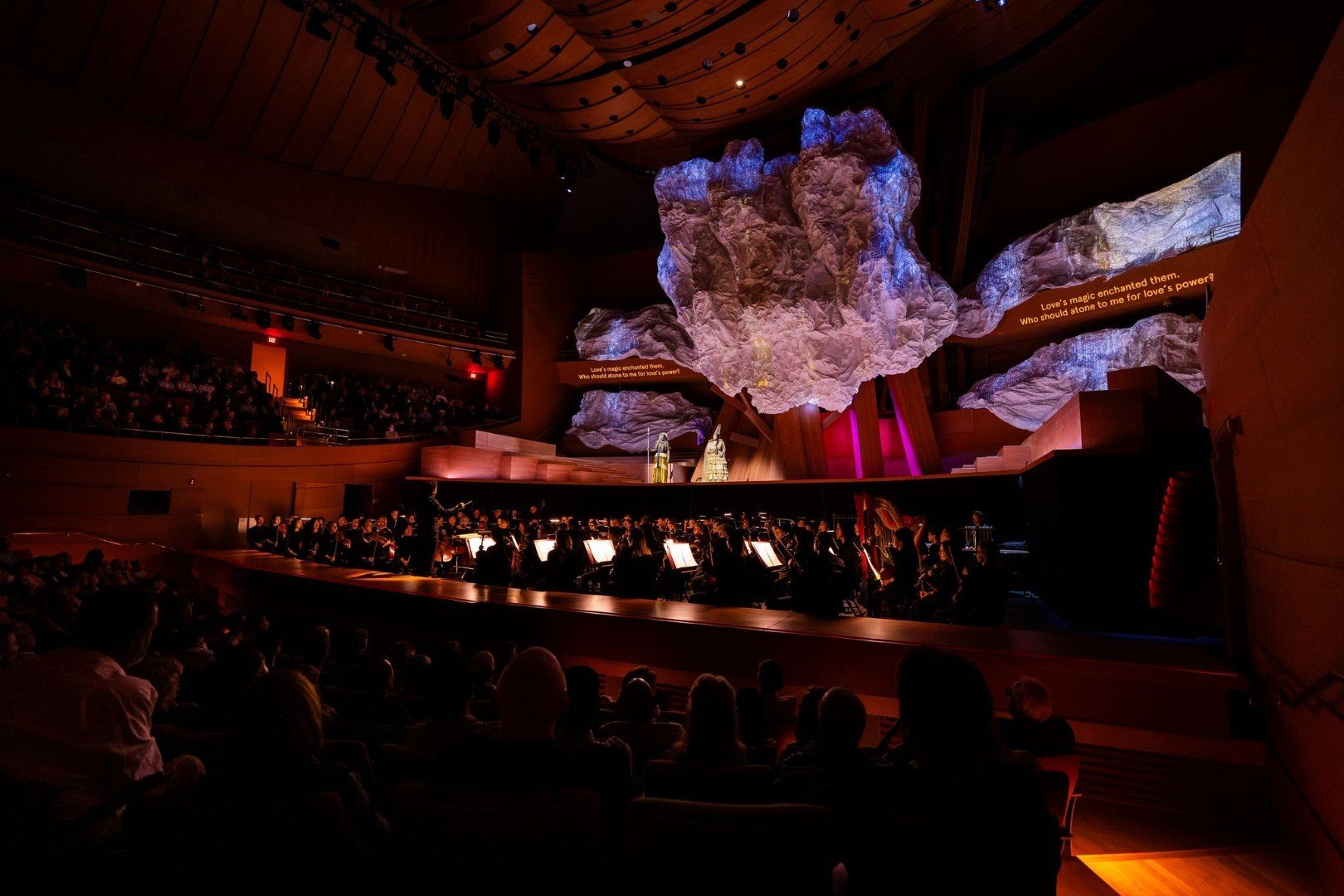
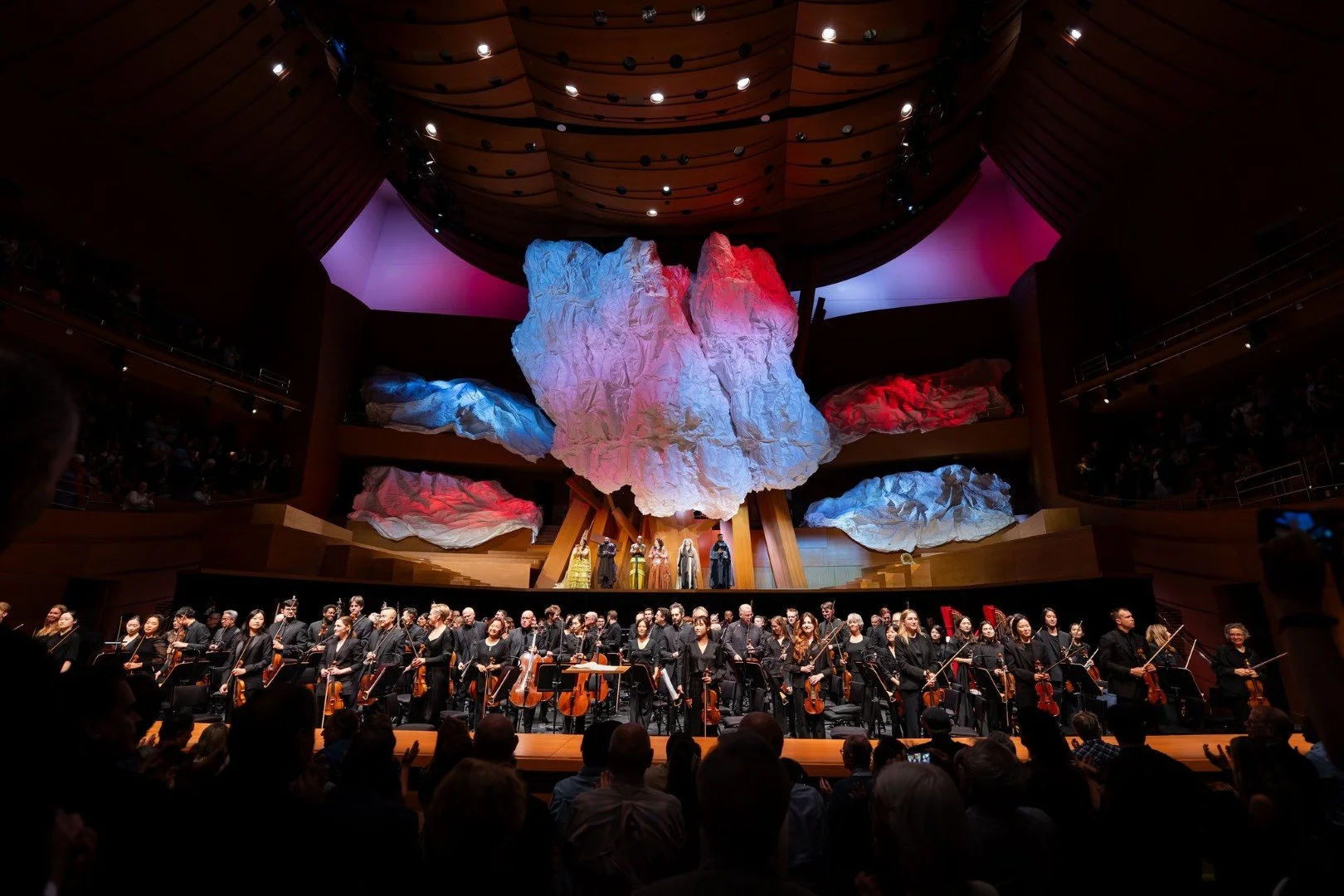
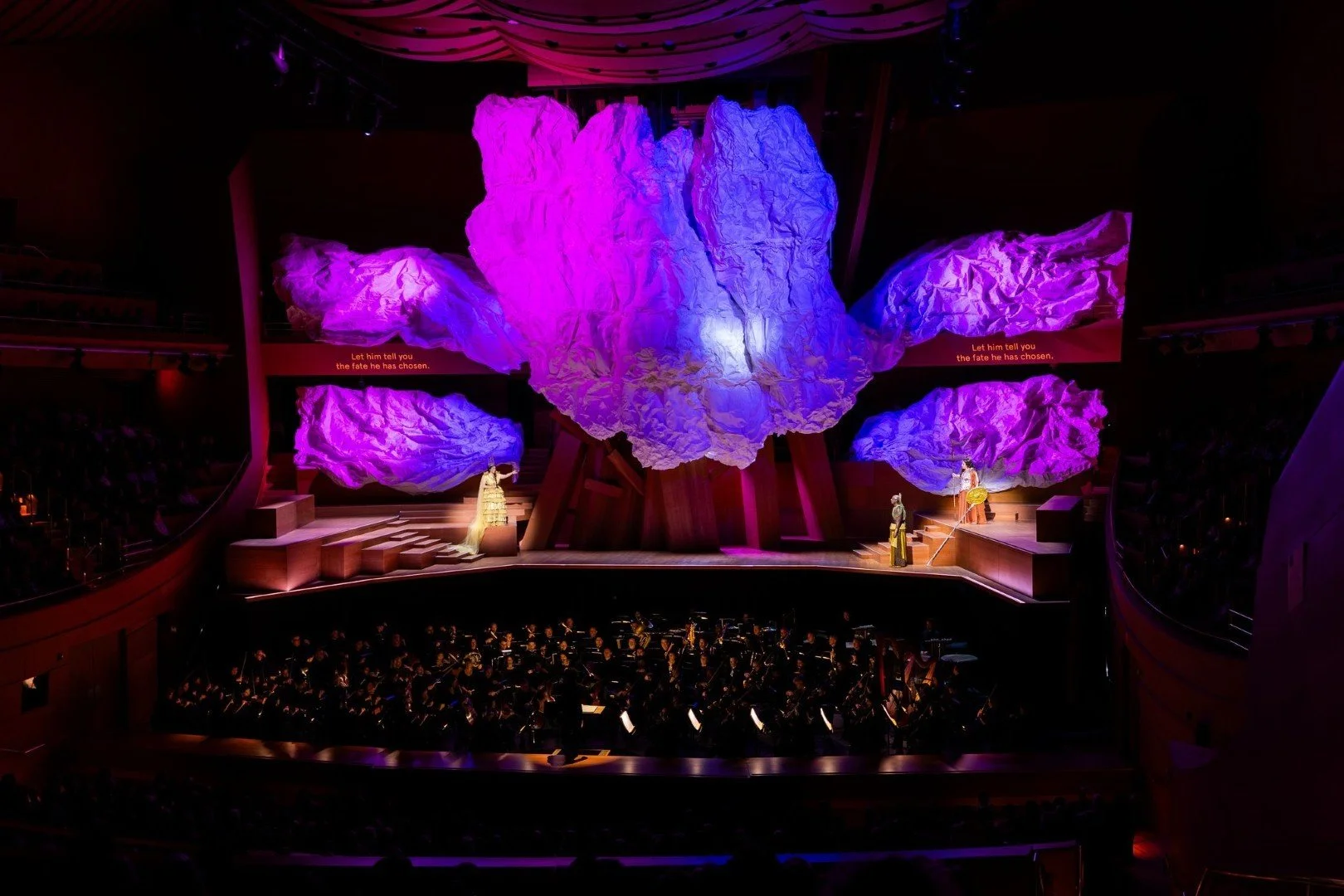
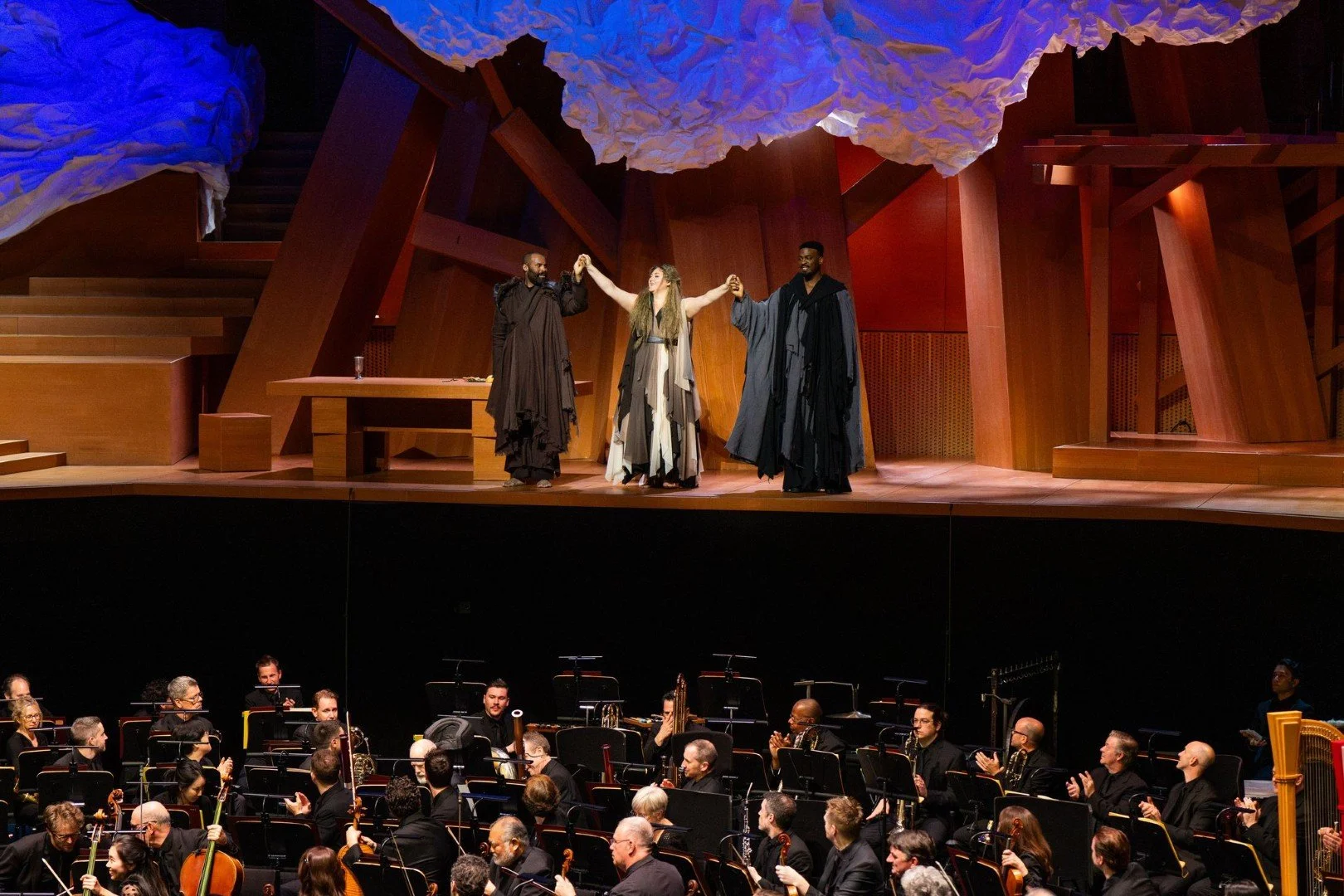
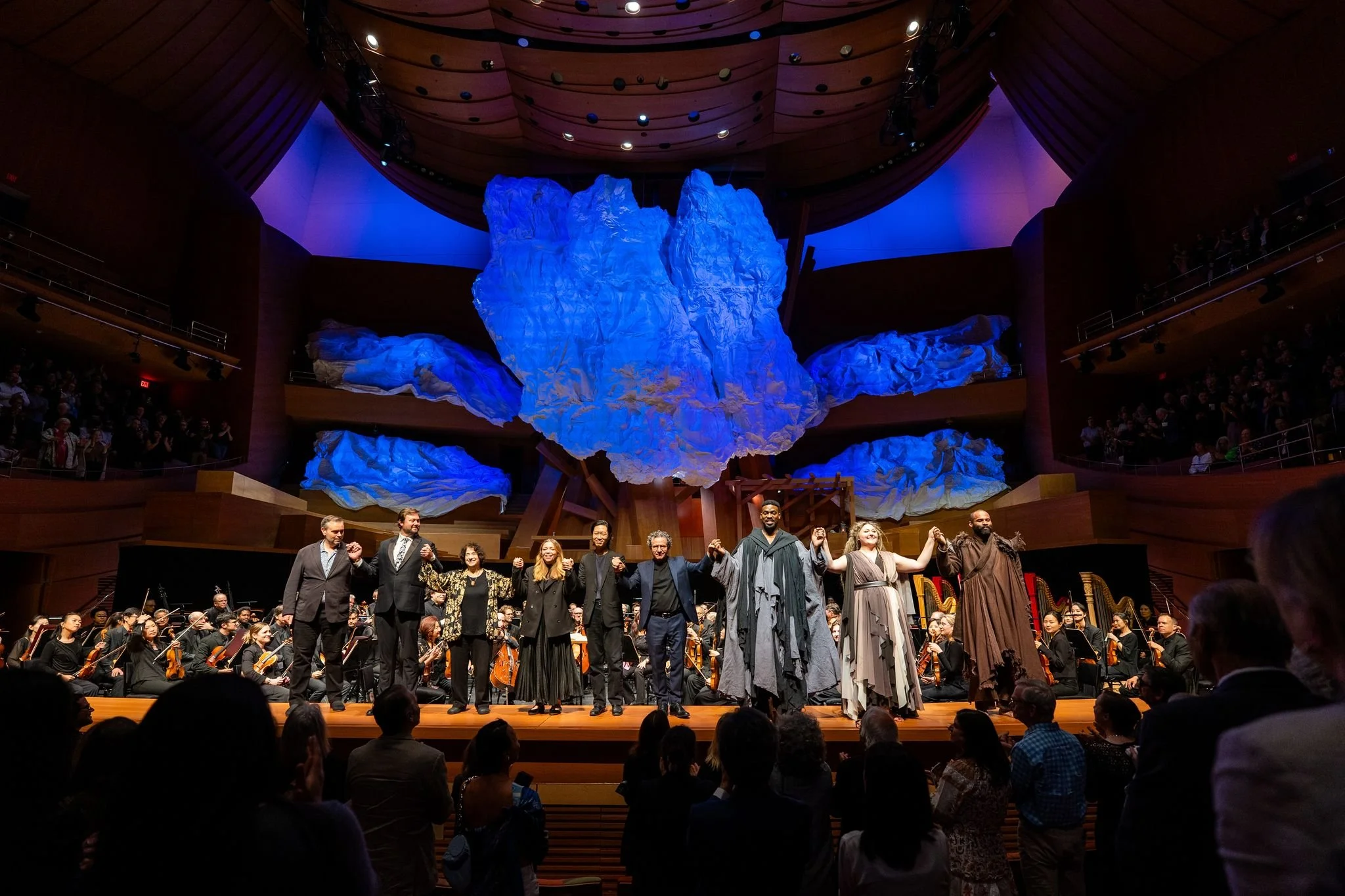
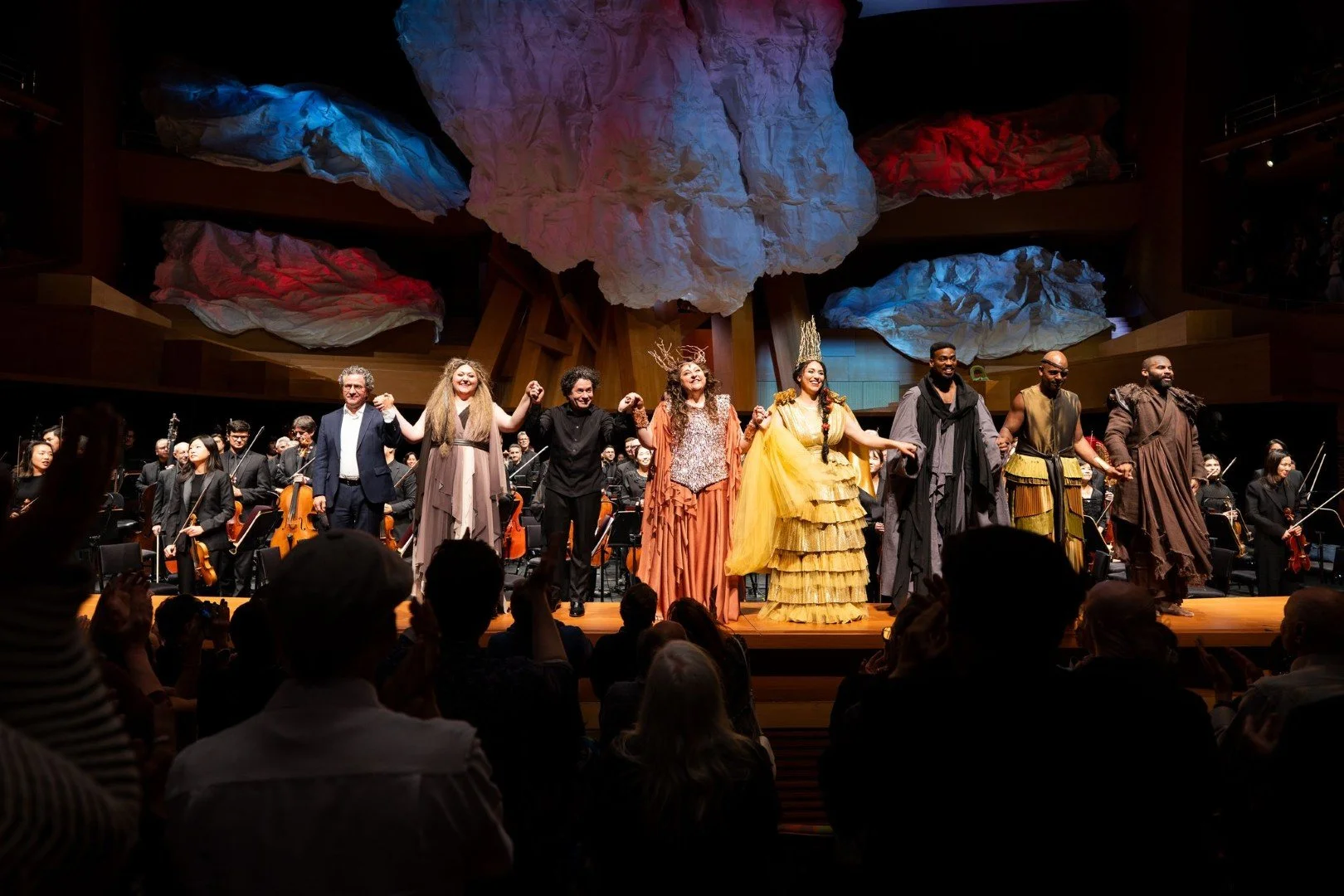
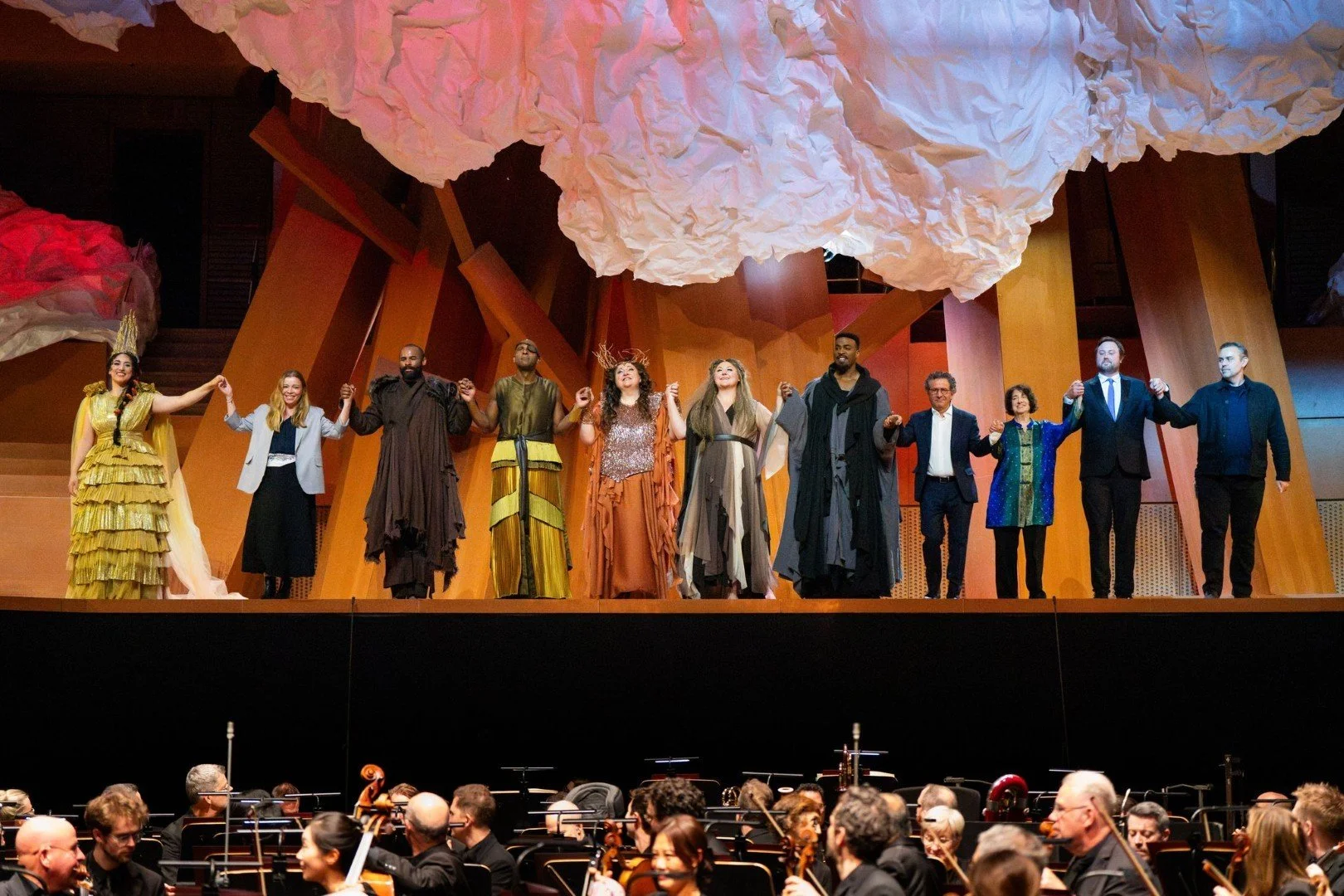
In the program notes, Frank Gehry’s set design is describe as “immense dynamic clusters of paper that transform from a primal forest into a tempestuous sky or a wall of fire” through lighting and video projection. The paper clusters are like the crumpled aluminum of his iconic buildings. In addition, there are eight paper horse sculptures and handsome period costumes that are vaguely Viking (but with thistle instead of horned helmets). Additional tree trunks and Hunding’s hut were constructed but blended seamlessly with the Disney Hall’s pipe organ wood beams. The catwalk flanking the orchestra gave the illusion of a sunken opera orchestra pit. It was a familiar layout to the 2024 Gehry-designed Rheingold.
The lighting was at once exquisite and dramatic. A light shone on the sword in the tree as the trumpets sounded the sword motif; the paper sculptures glowed bright yellow in the Spring Song duet; the LED ambient lighting strips on stage and catwalk glowed red during Sieglinde’s premonitions of Siegmund’s death, and in the Magic fire finale; the paper horses lit up as Brünnhilde sang “Only the bravest hero shall take me.”
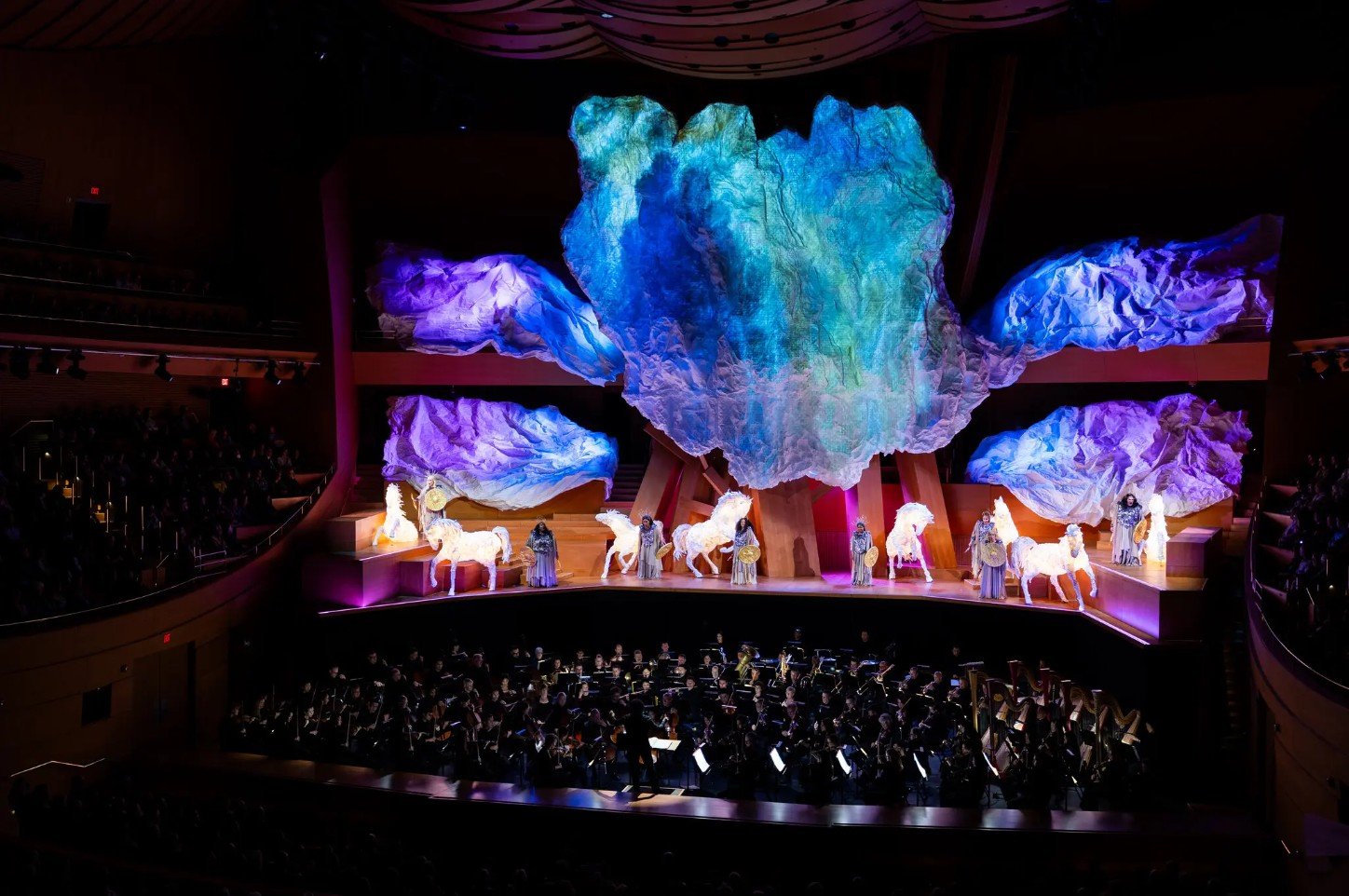
Alberto Arvelo’s direction mostly played by the book and stayed faithful to Wagner’s careful libretto. Wagner wanted Wotan to fling himself dejectedly into a rocky seat after arguing with Fricka; here he retreated to a corner on stage left. Siegmund draws forth the sword and Sieglinde lets out an audible gasp (but thankfully no loud scream or squirming on the floor.) Fricka and Wotan stood on opposite sides of the stage as they were debating the issue of marital vows, and moved closer when the henpecked Wotan agreed to do what he’s told. Brünnhilde and Wotan stood together but split up only when Wotan ordered her to “fight for Fricka” against her and, by extension, his will. The crucial encounter of the spear and sword during the Hunding-Siegmund fight did not happen; the sword doesn’t shatter on the spear but instead is torn asunder by the angry Wotan. Siegmund dies sentimentally in his father’s arms.
The Ring represents the summit of grand opera. It is the largest task a company can undertake. It remains ceaselessly interesting. It continues to rouse strong feelings on both sides of the political fence. (There are those who still perpetuate Hitler’s distortion of Wagner’s artistic aims.) This LA Phil half cycle is a high, serious, and beautiful achievement – adventurous, unponderous, technically brilliant, spectacular in its staging, more than acceptable in its singing. Although one may disagree with some of the conducting, one is challenged, stimulated, stirred and, I should add, entertained. I look forward hopefully to Siegfried and Götterdämmerung
Truman C. Wang is Editor-in-Chief of Classical Voice, whose articles have appeared in the Pasadena Star-News, San Gabriel Valley Tribune, other Southern California publications, as well as the Hawaiian Chinese Daily. He studied Integrative Biology and Music at U.C. Berkeley.