
Blomstedt Conducts BSO, an All-Brahms Evening of Rare Depth and Beauty
/By Truman C. Wang
3/10/2026
Photo credit: Michael J. Lutch (concert photos), Classical Voice (venue photos)
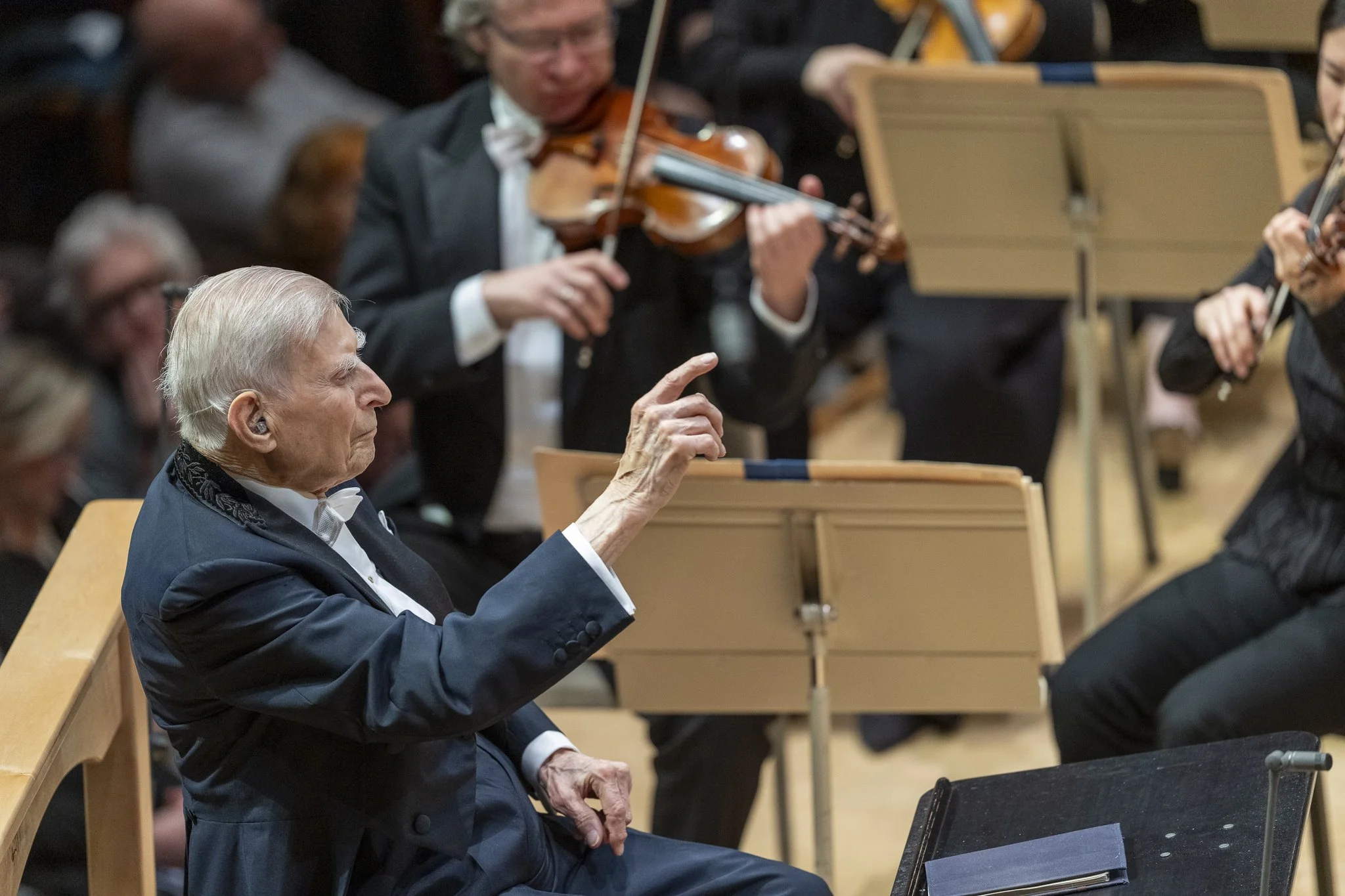
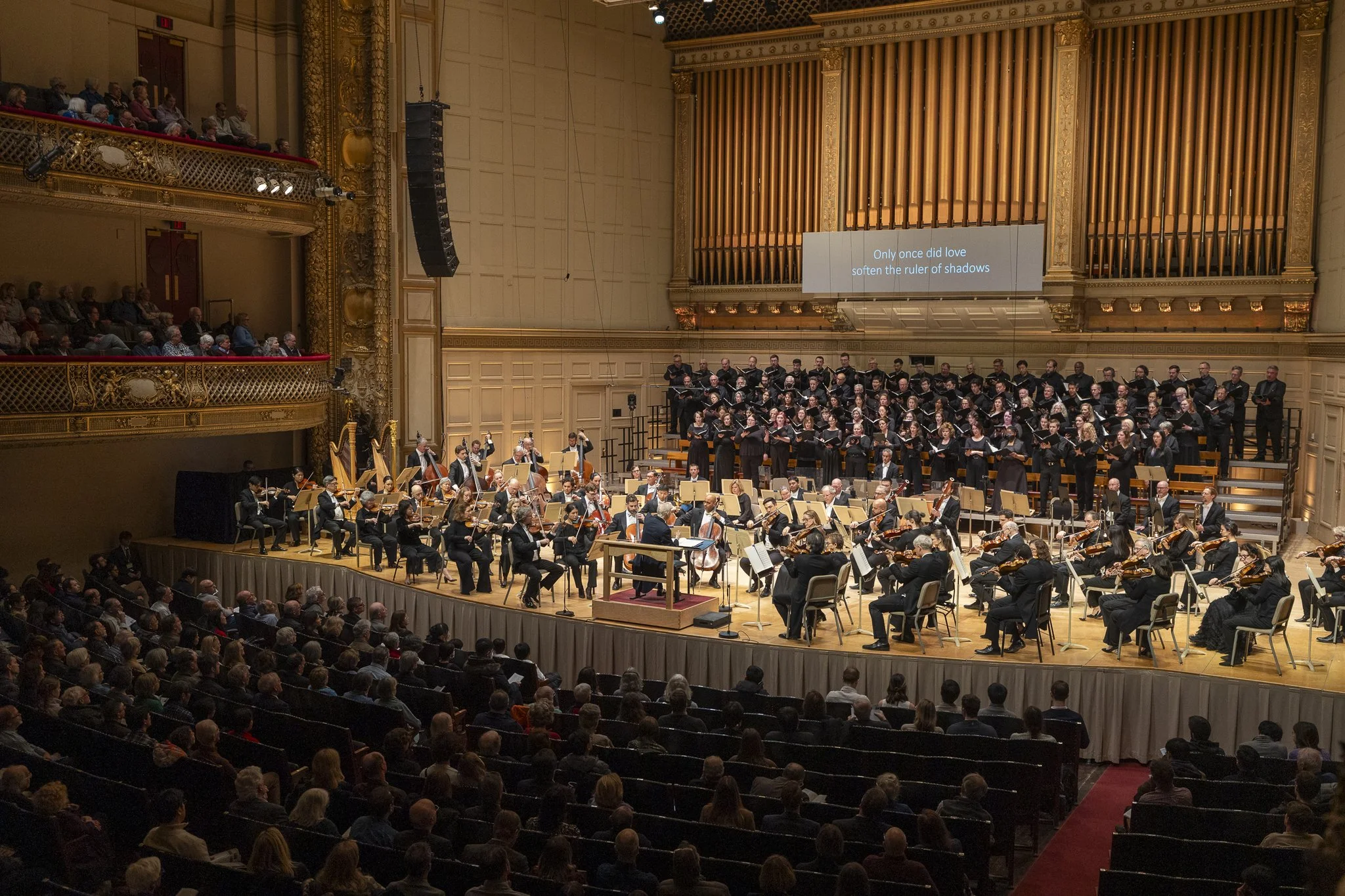
At 99, Herbert Blomstedt (b. 7-11-1927) has become one of the most searching Brahms interpreters before the public, and his all-Brahms program last Saturday night with the Boston Symphony Orchestra was a testament to a lifetime of immersion in this music. The evening opened with the two choral works — Schicksalslied and Nänie — both given lean, luminous readings that resisted sentimentality without ever feeling austere. The Tanglewood Festival Chorus, prepared by guest choral conductor Lisa Wong, sang with focused tone and admirable textual clarity, the blend between voices and orchestra seamless throughout. The orchestra played beautifully throughout (far surpassing the Brahms I heard by the L.A. Philharmonic), with a memorable flute solo (one long unbroken phrase) in the Schicksalslied. Friedrich Hölderlin’s poem and Brahms’ music develop from the peaceful god’s dwelling in the start to the challenging times that await the fate, or schicksal, of man (a sign of our times in 2026). Blomstedt gave a reading of harmony, grace, beauty and consolation.
Nänie, Brahms's elegy on the transience of beauty (“All beauty and perfect must die”), followed with the same beauty, warmth and consoling spirit in a natural, unhurried arc. Wong prepared the chorus to respond to Schiller’s poem with the sensitivity of a lieder singer.
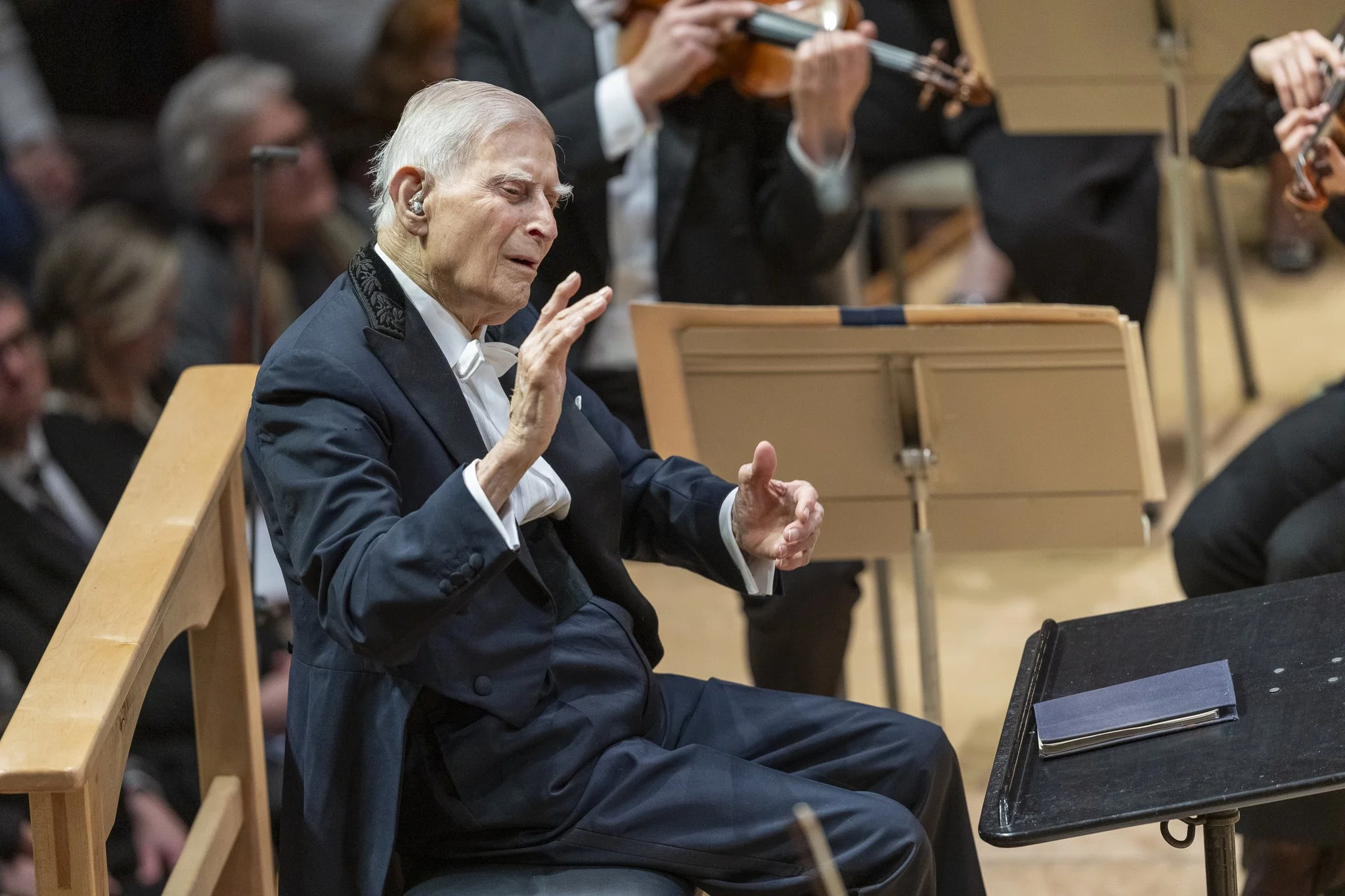
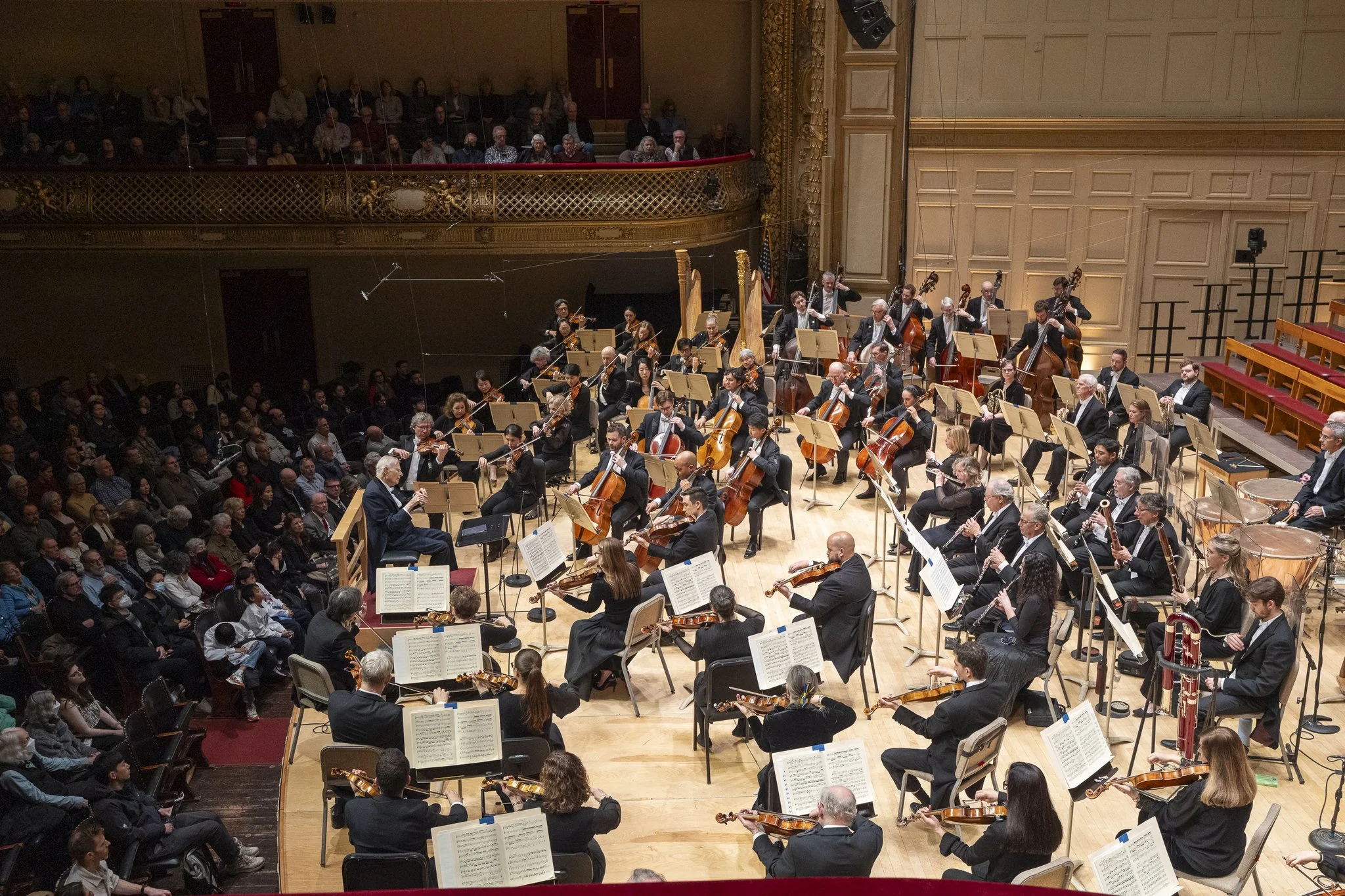
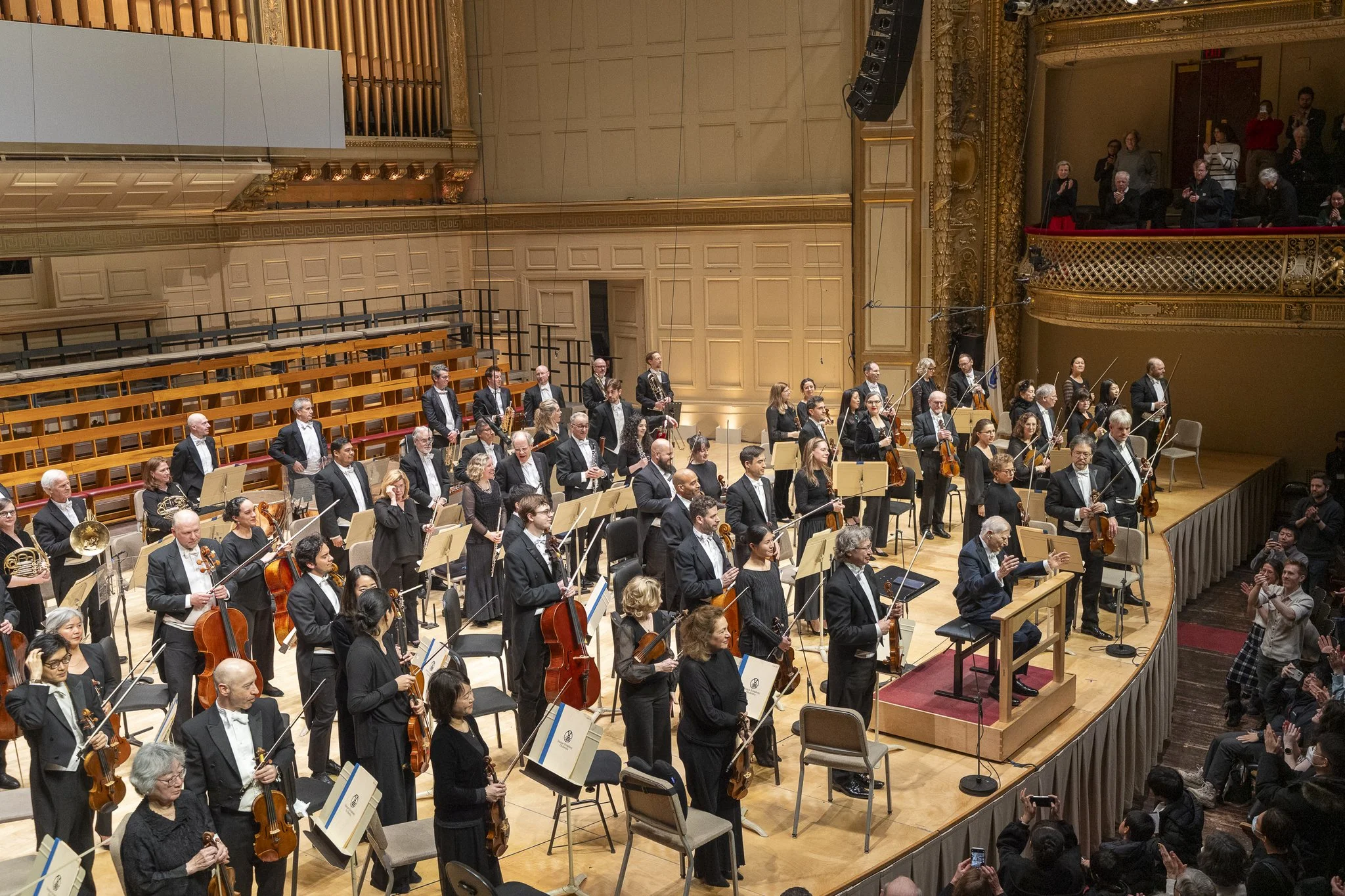
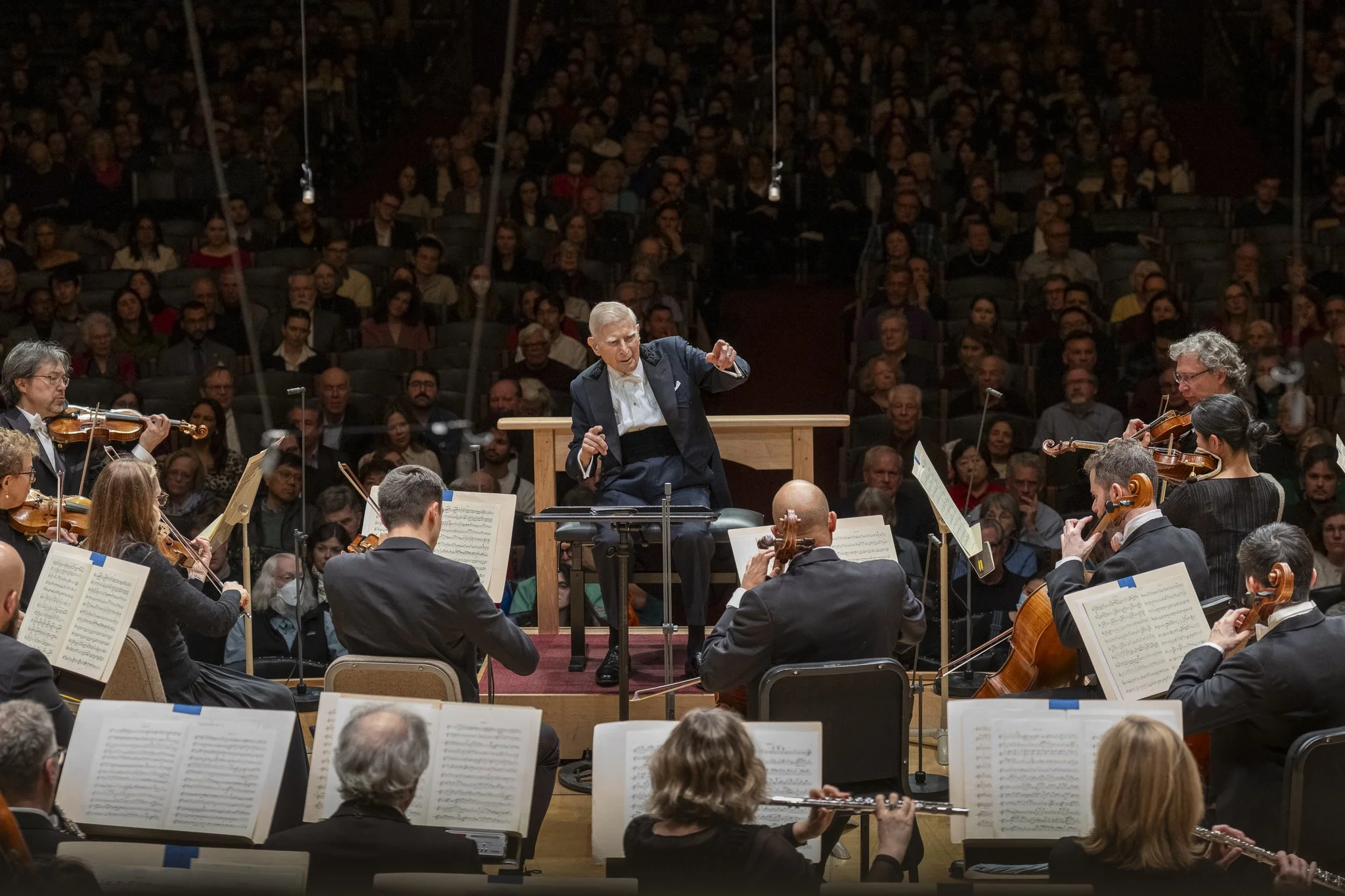
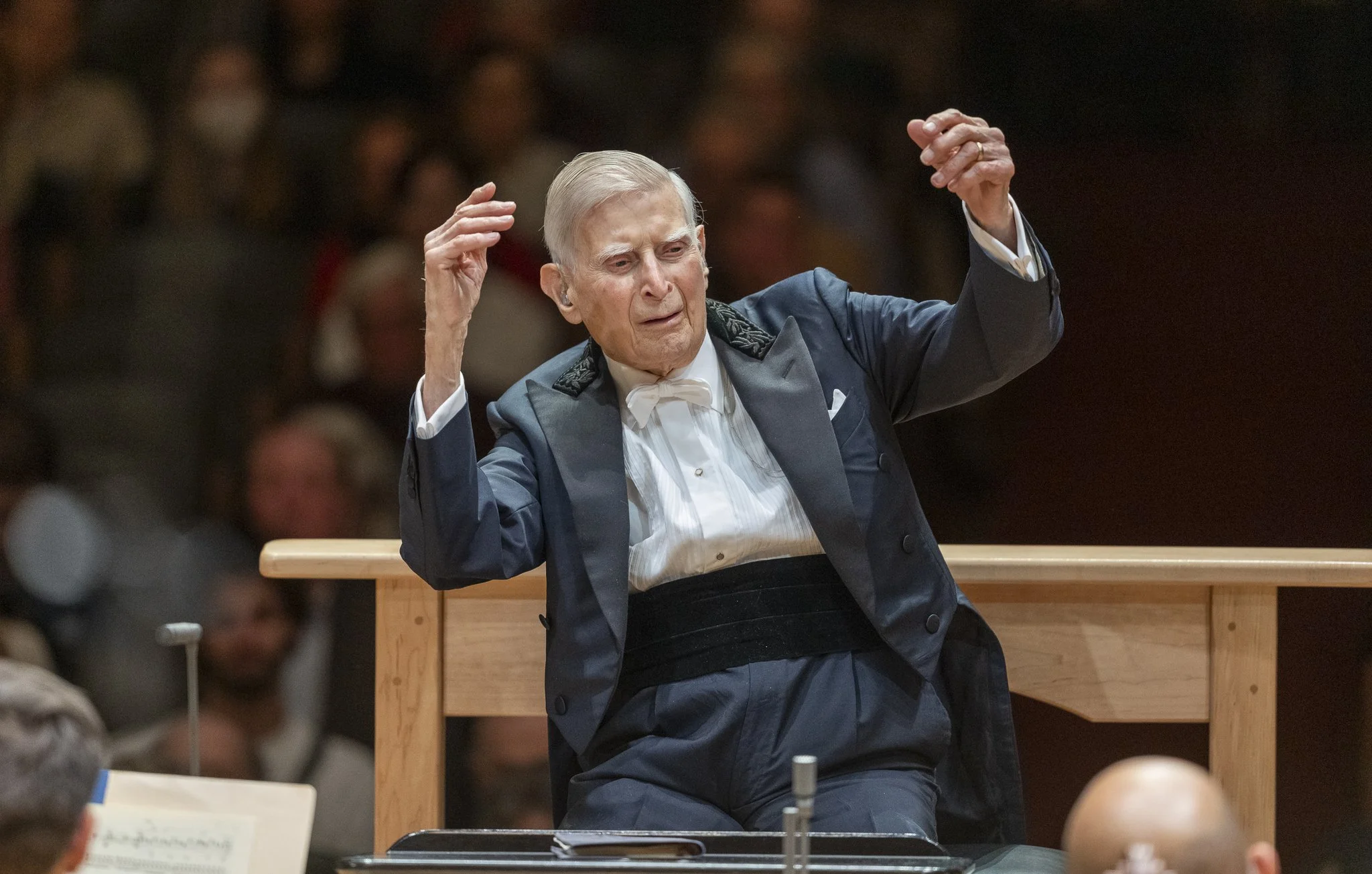
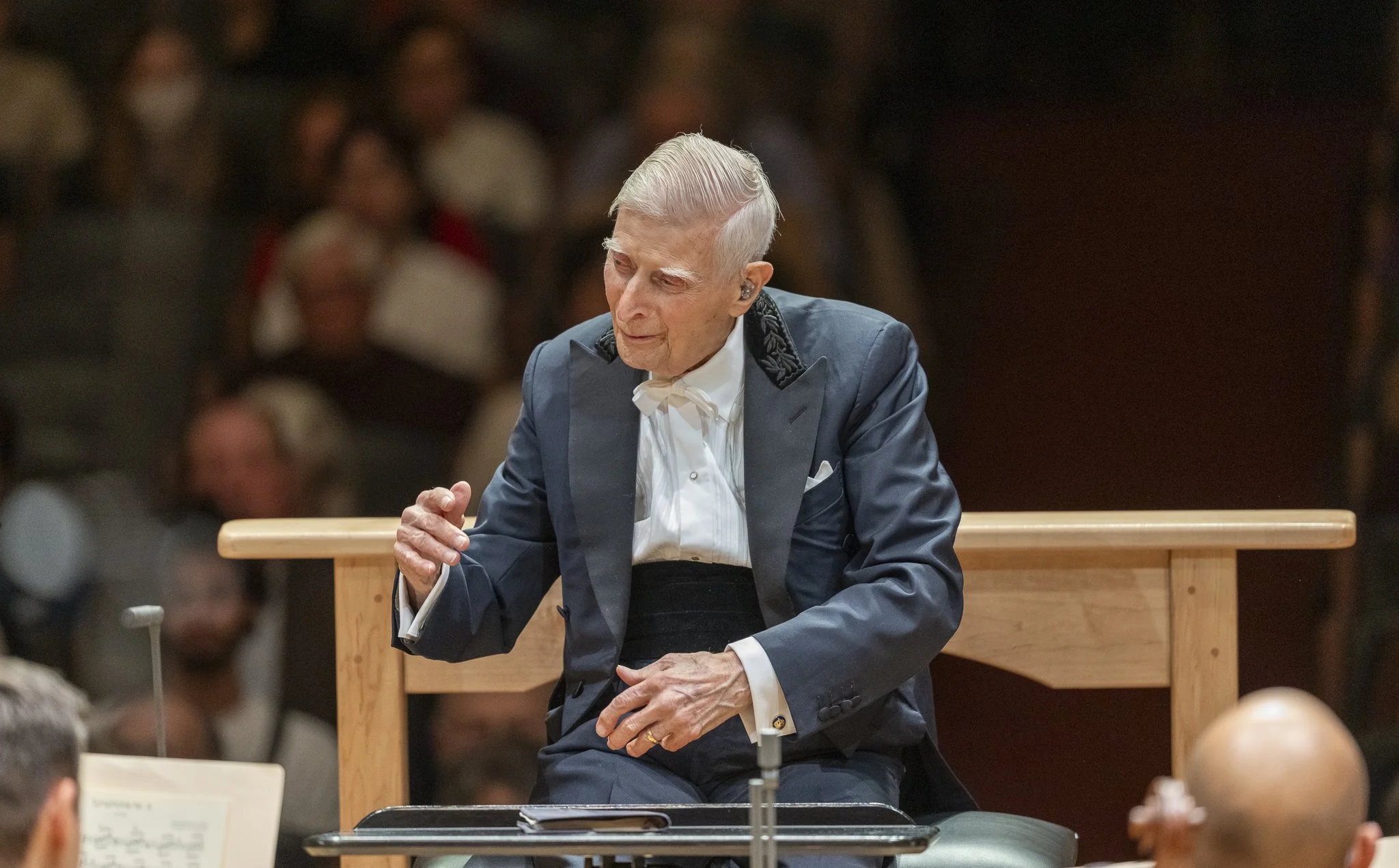
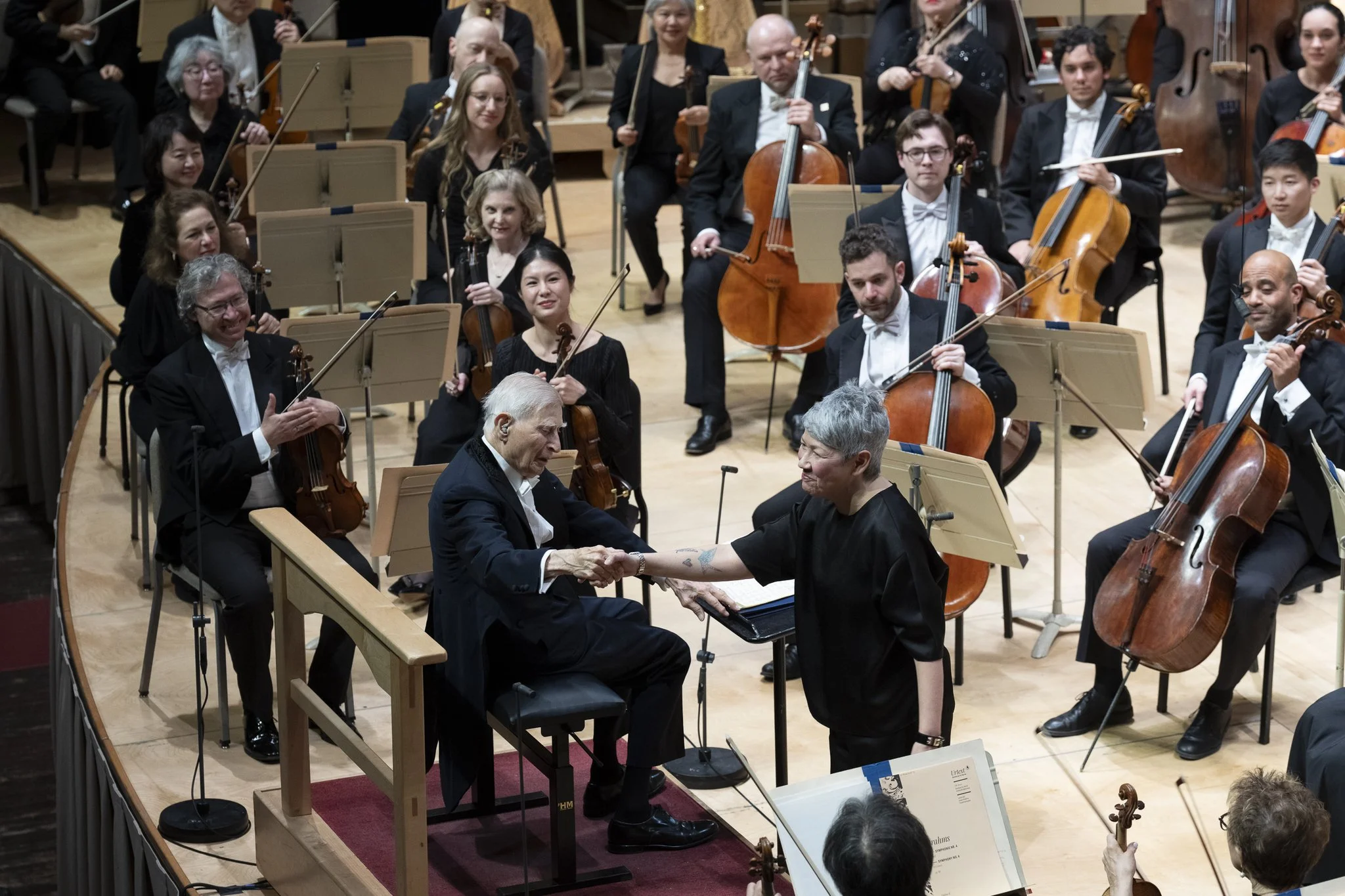
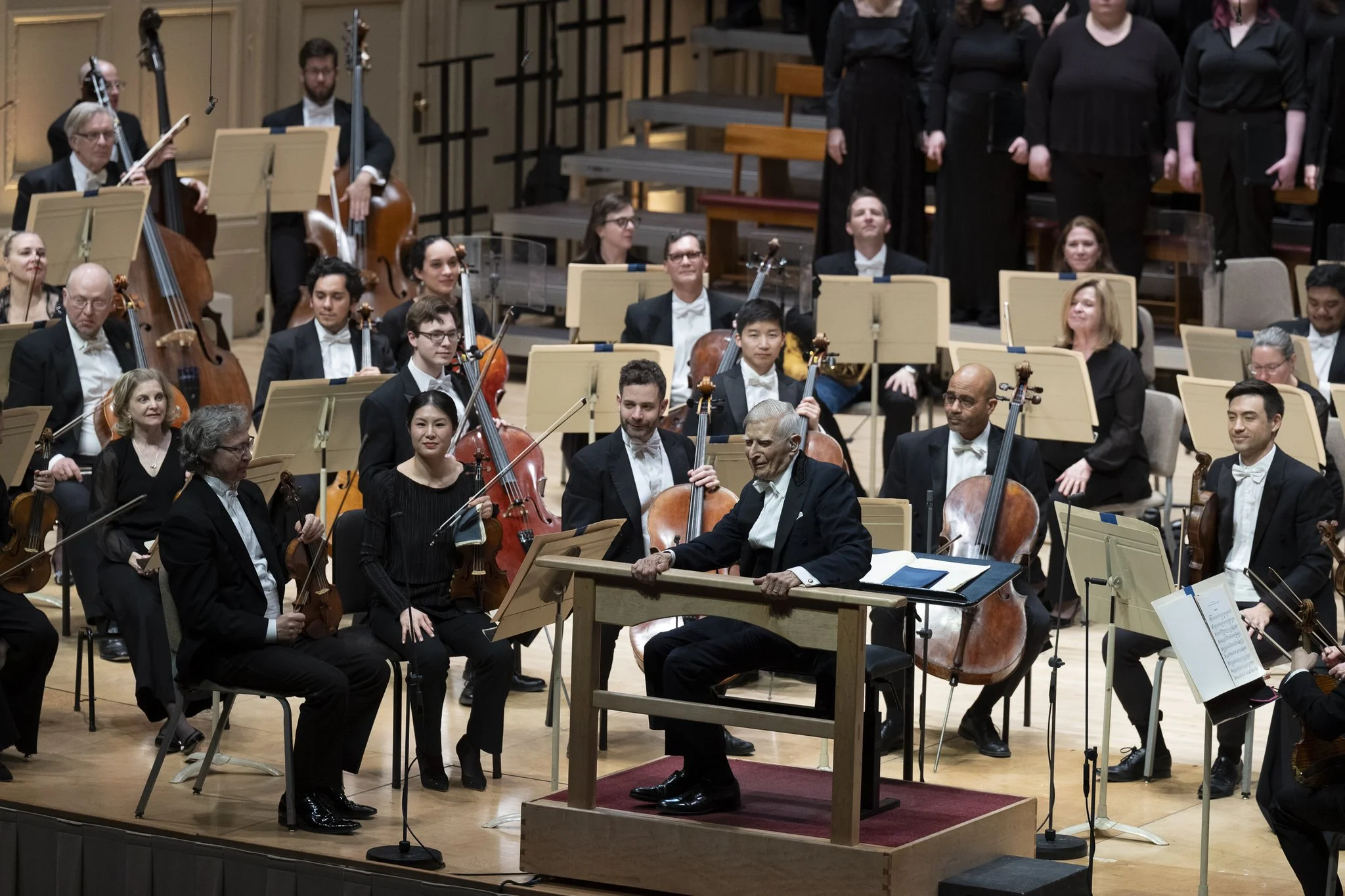
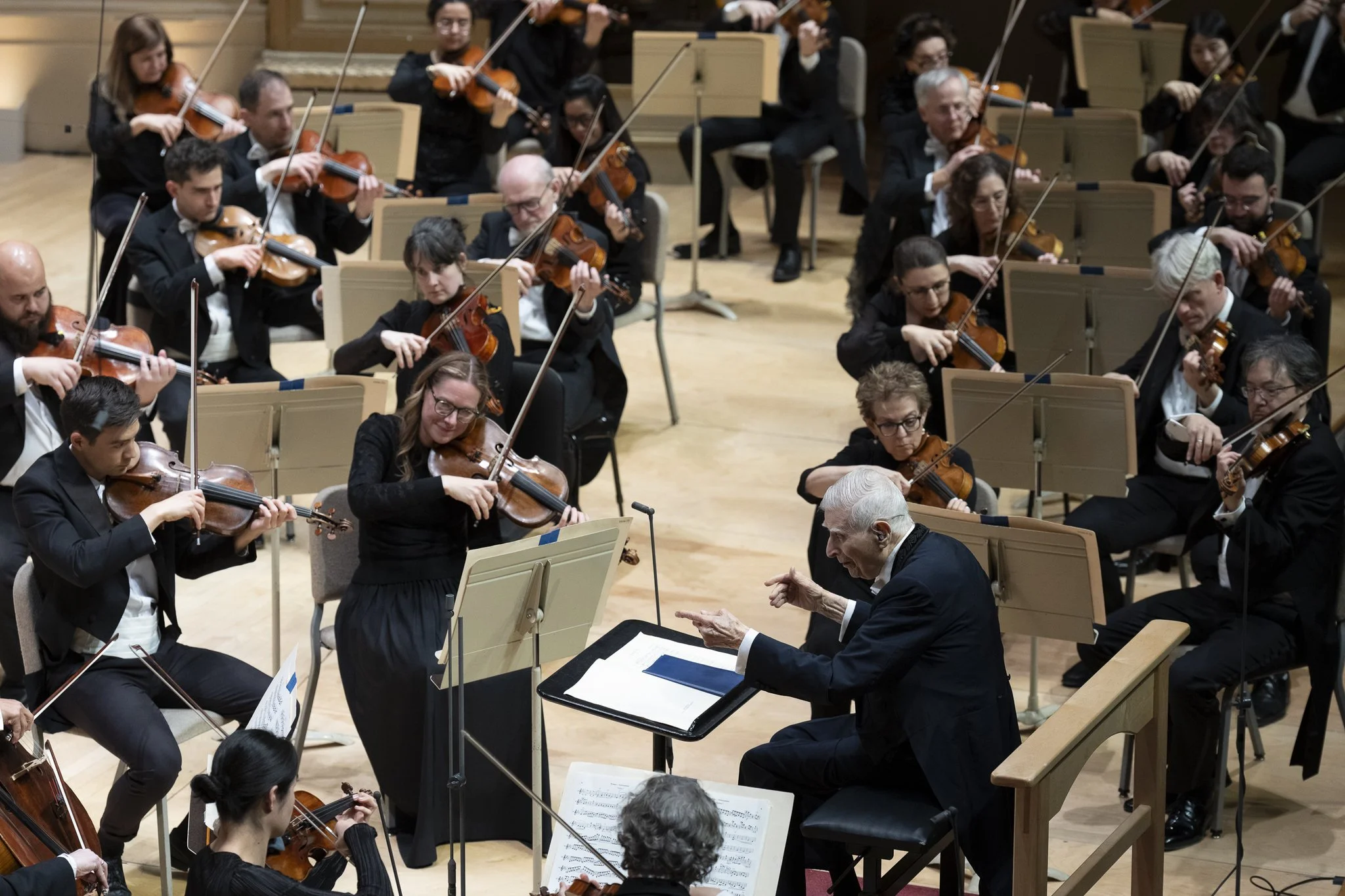
After intermission, Blomstedt turned to the Symphony No. 4 — Brahms's final and most austere — and delivered a reading of uncommon authority and, yes, great beauty. The first movement unfolded with long, inevitable phrasing; the slow movement had a modal gravity; and the finale's passacaglia built with relentless cumulative power. The BSO musicians responded to Blomstedt's direction and vigorous arm and hand gestures with supple ensemble playing and a notably rich string sound. It was a triumphant evening for maestro Blomstedt as well as for Brahms.
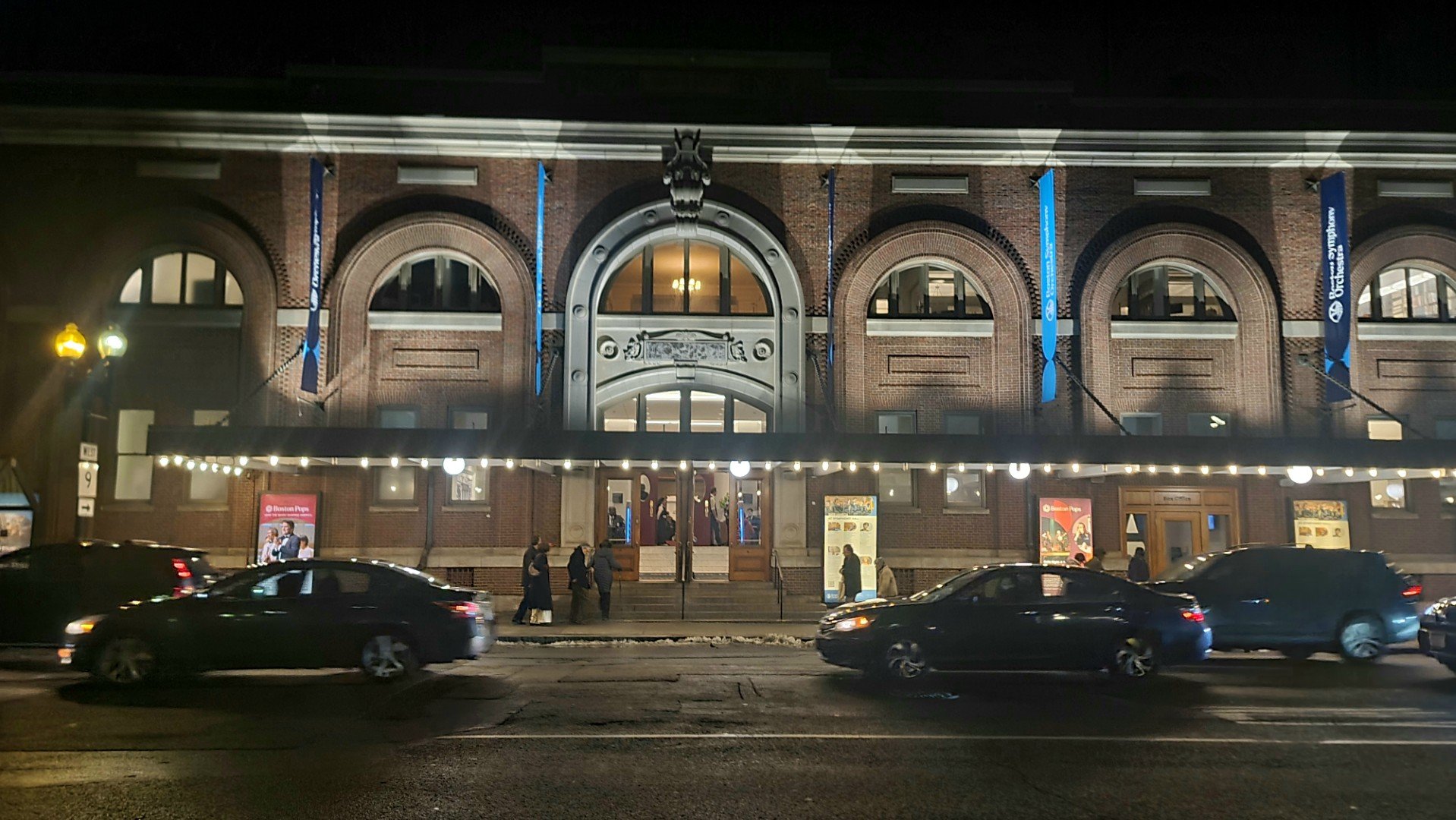
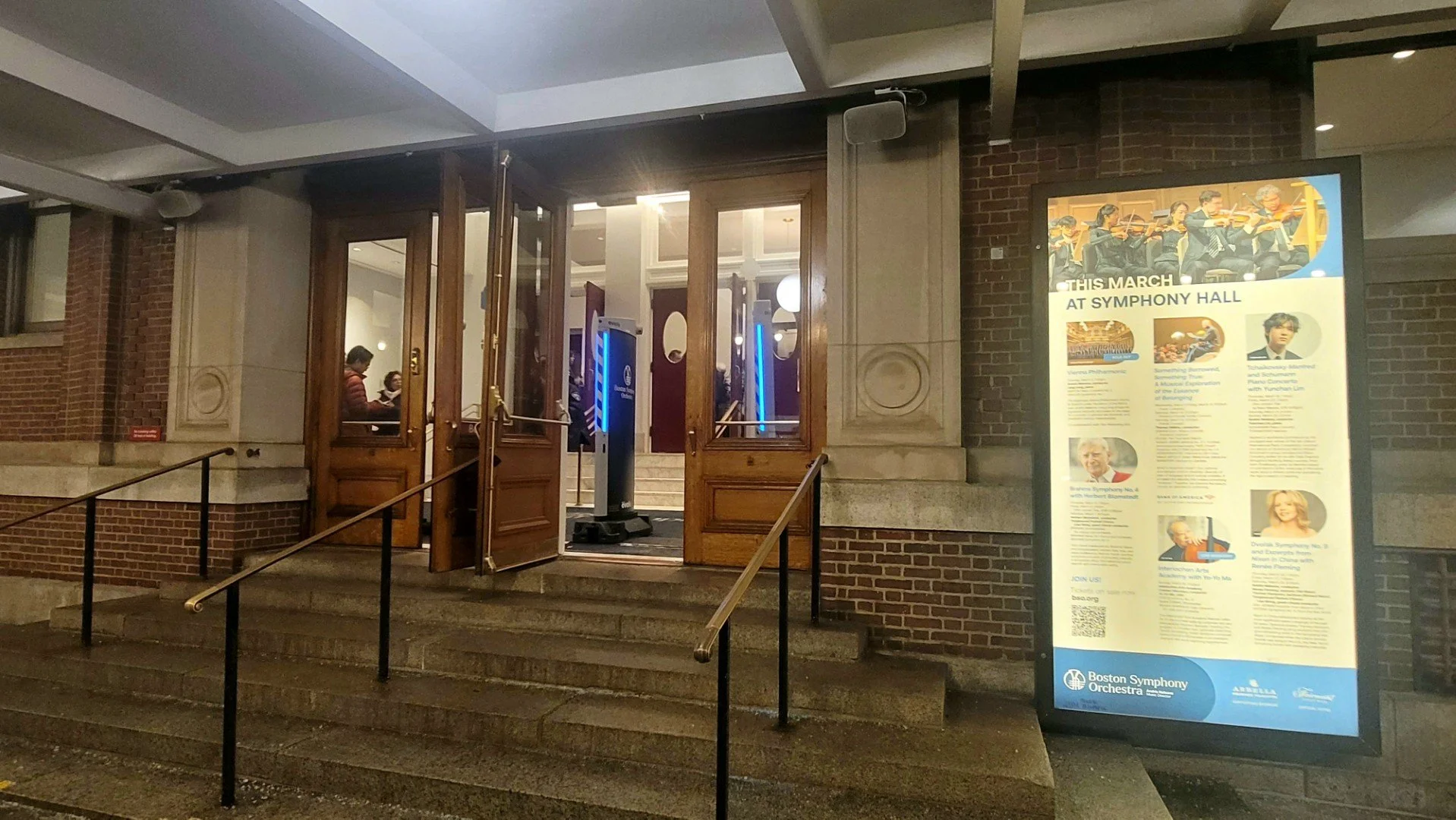
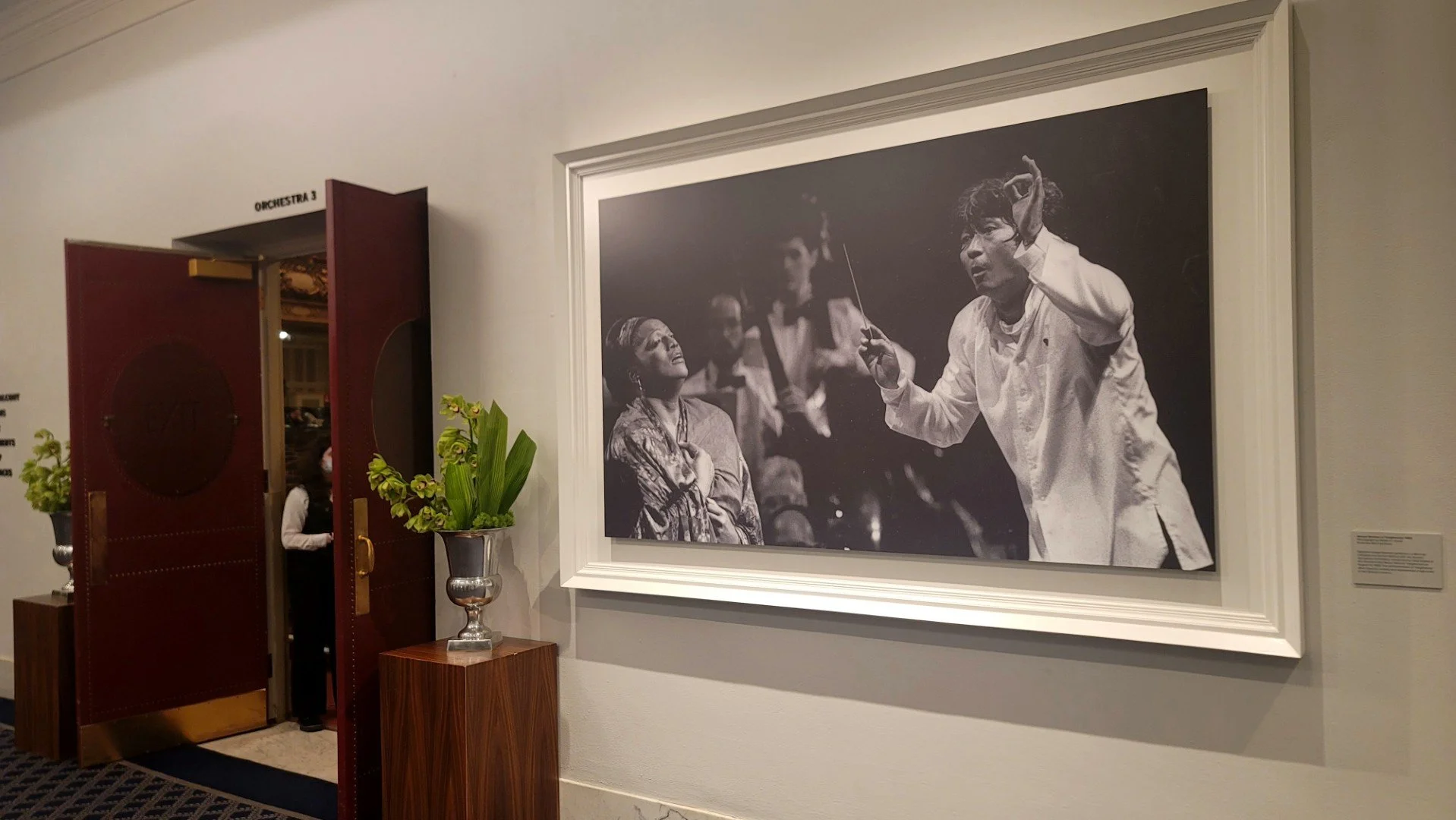
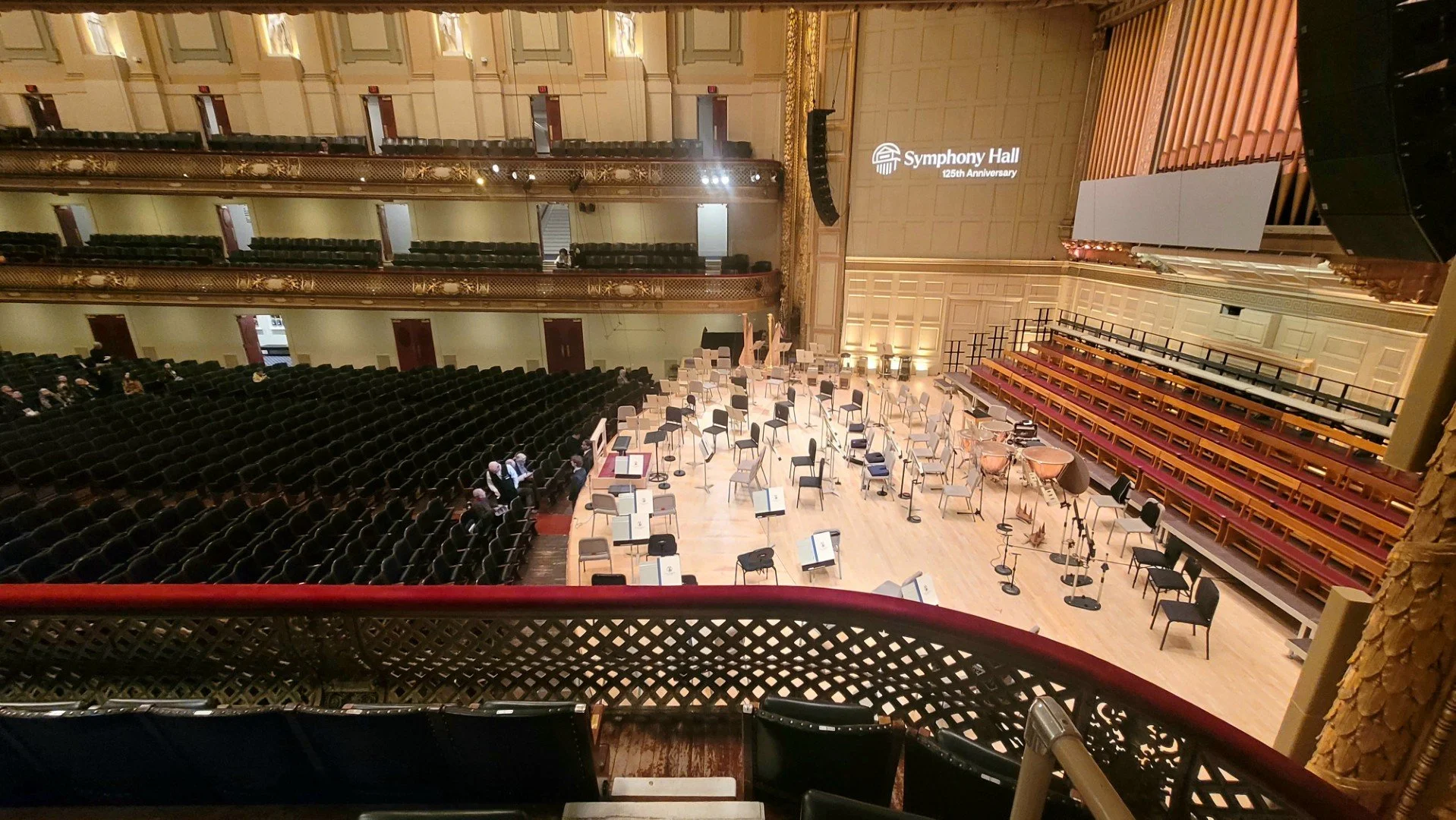
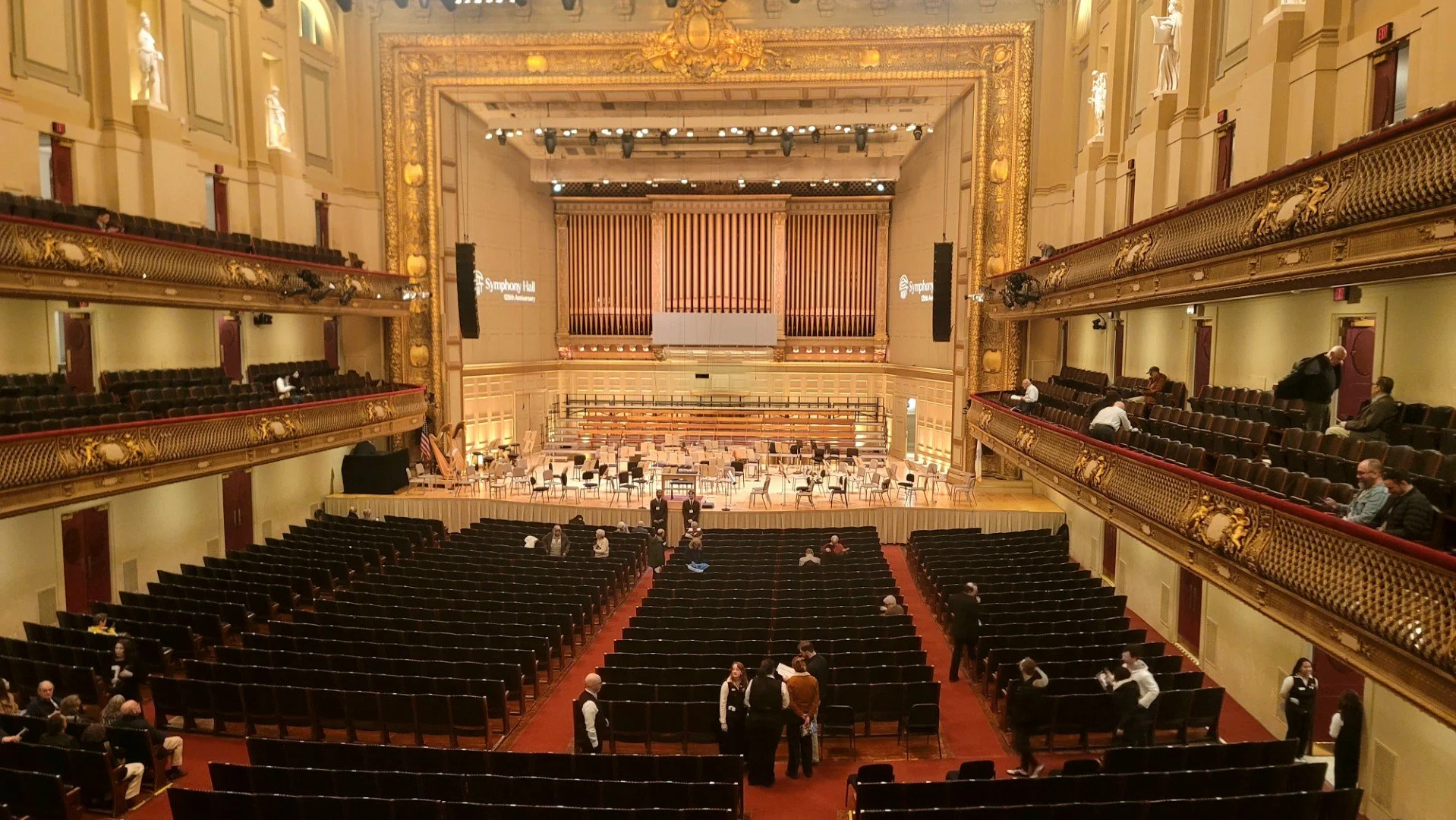
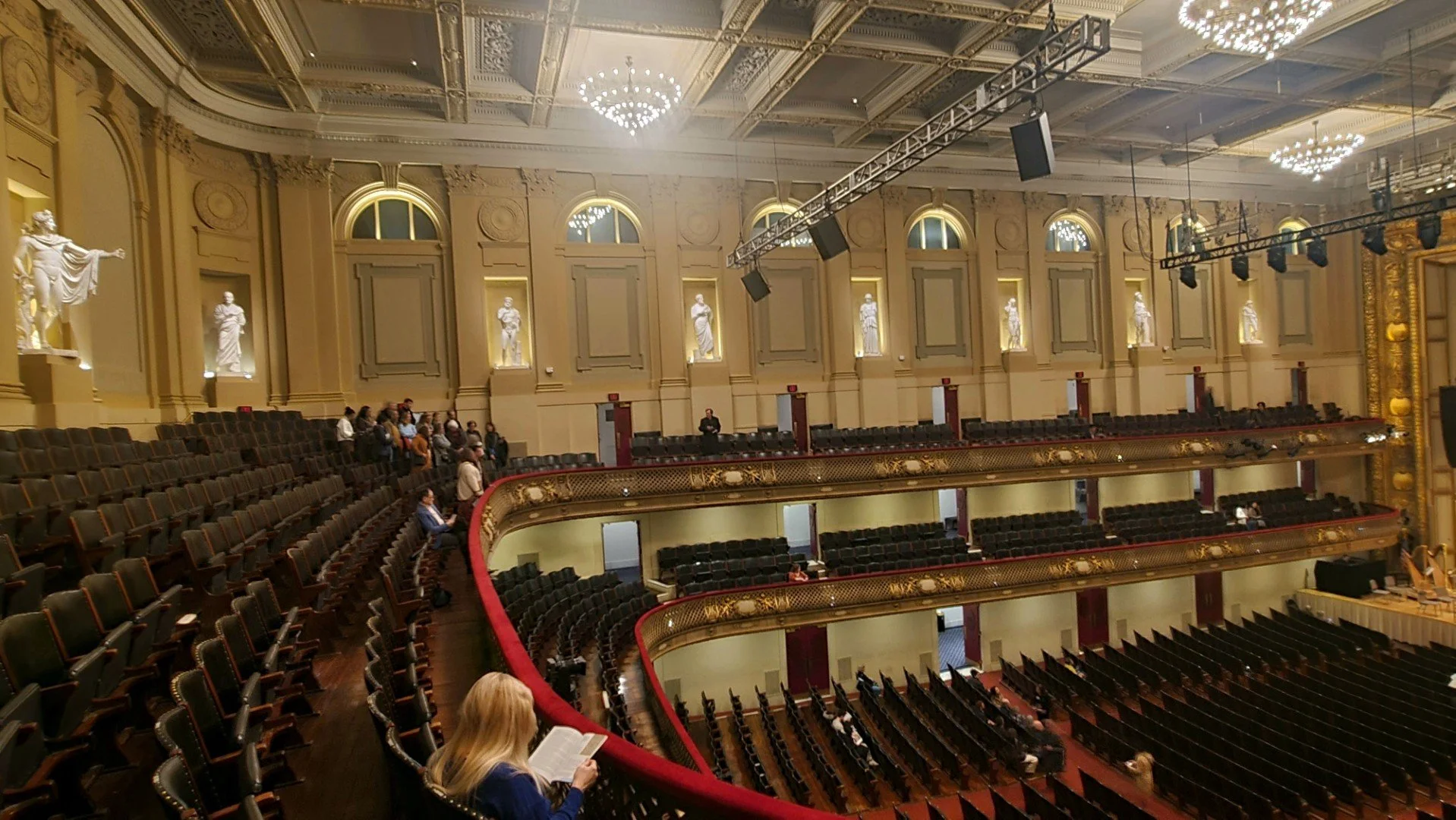
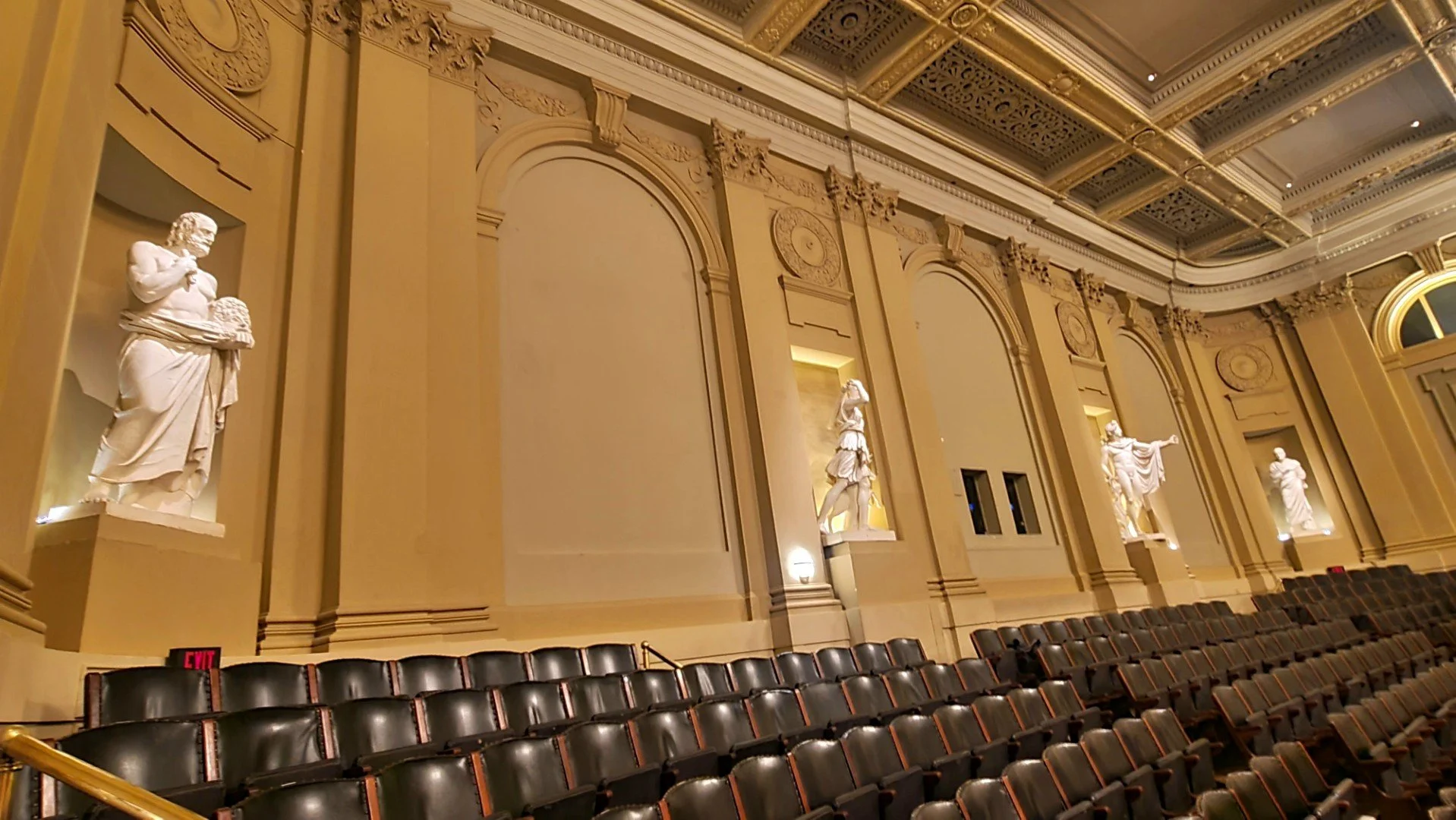
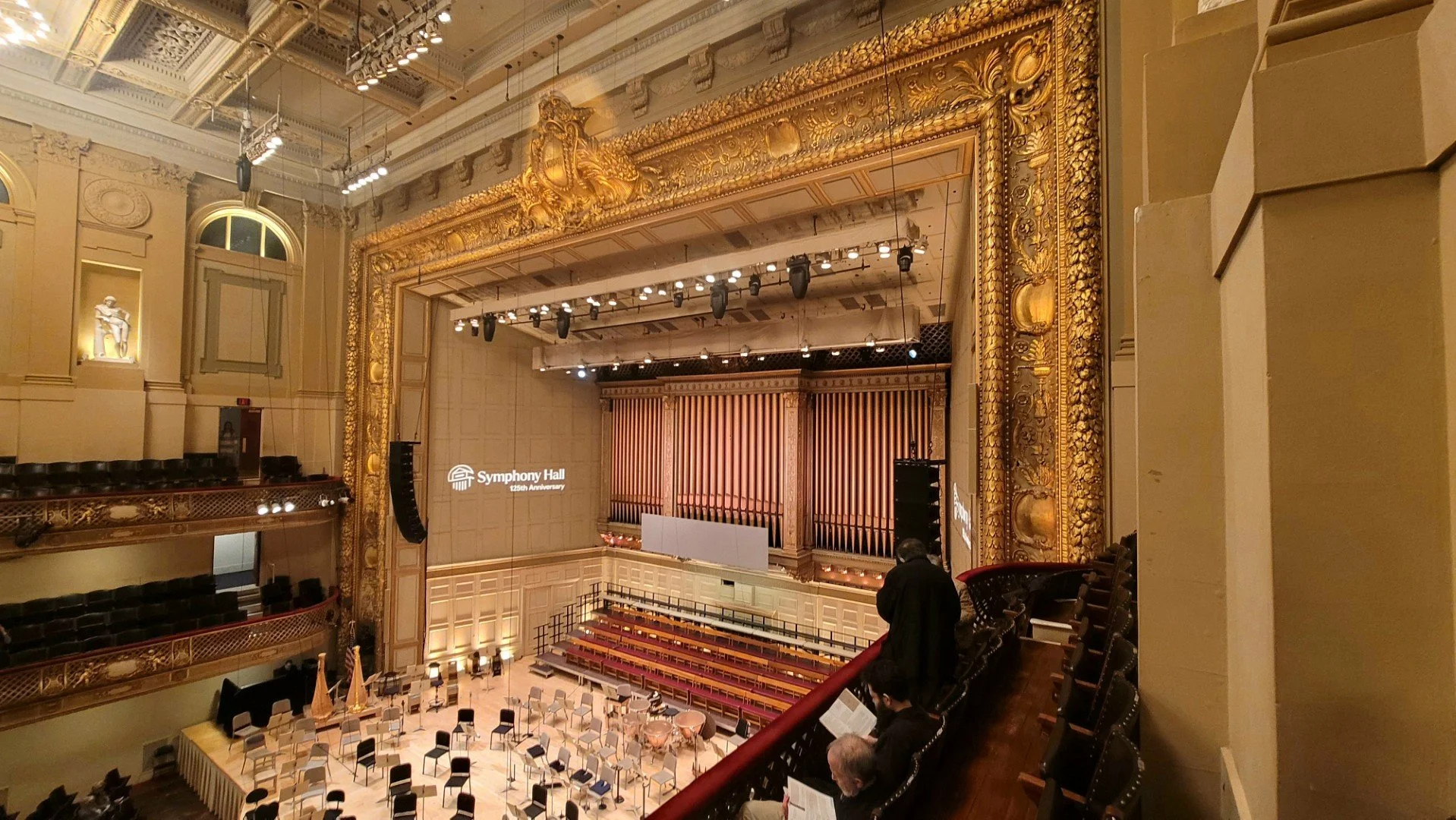
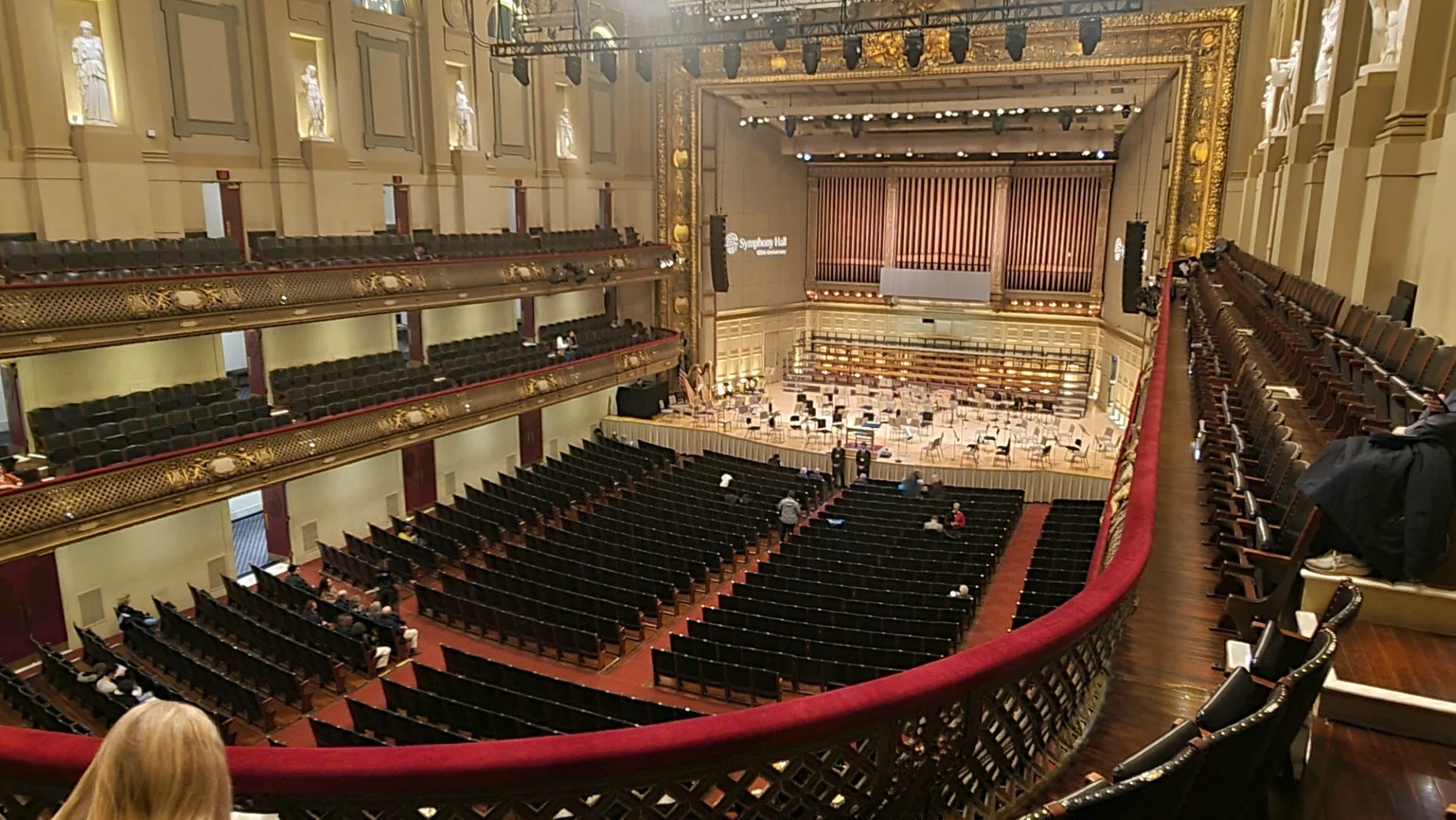
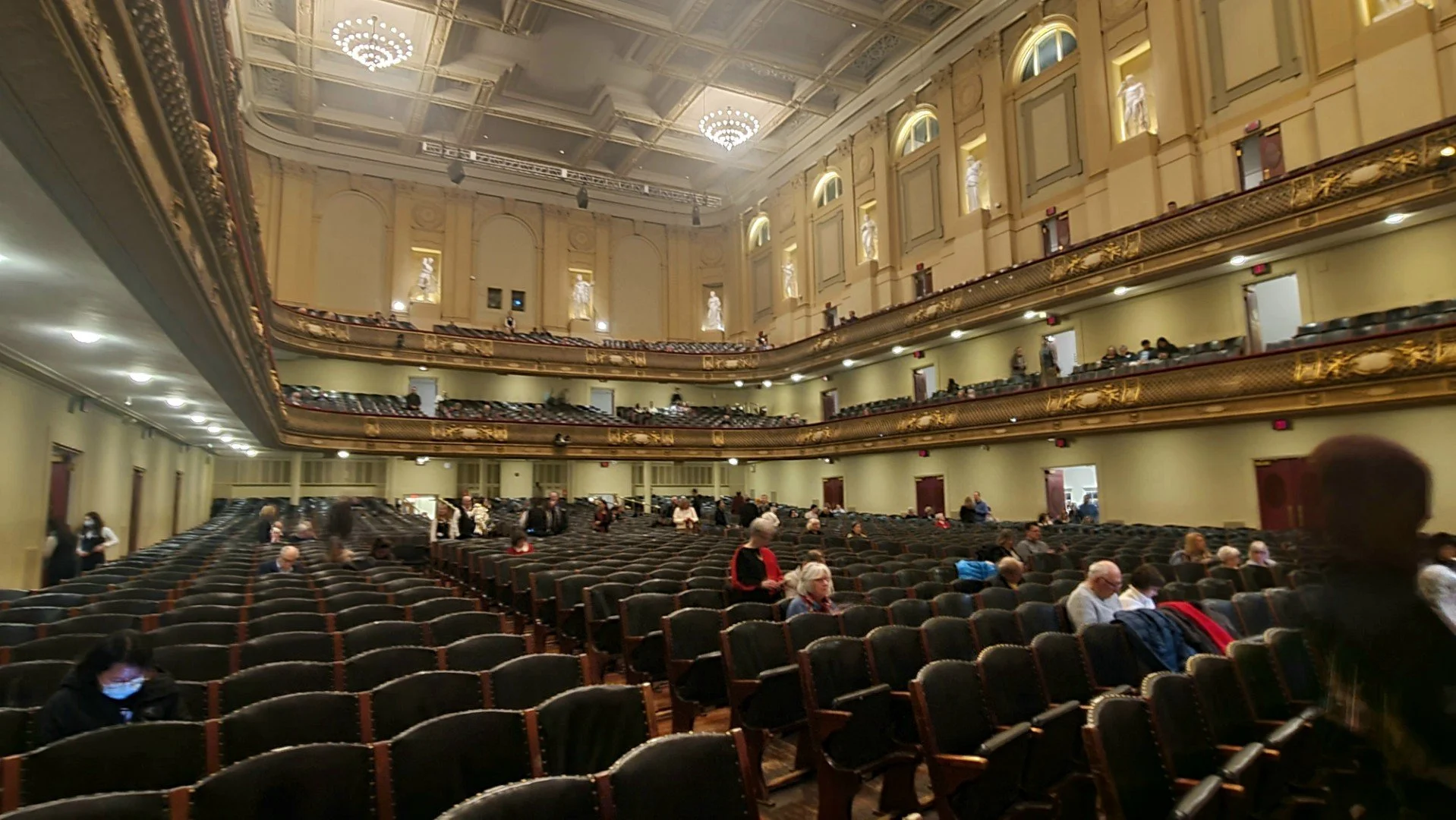
It was my first visit to the Boston Symphony Hall. A very European hall designed in the traditional shoebox shape and classical décor like Vienna’s Musikverein, you can call it Boston’s Golden Hall. The beautiful gilded frame of the golden proscenium proudly showcases a tapestry of sounds and colors of the concerts. The hall’s acoustics is clean, clear and warm for both instruments and voices, not overly echoey like LA’s Disney Hall, where more often than not the singing turns to mush. The audience noises are not so intrusive here as in other, acoustically more reverberant halls (specifically, those with an open stage surrounded by seats.) The BSO musicians enter the stage at the beginning of each piece, just like European orchestras do. In a way, the Symphony Hall is an extension of Boston’s Old World vibe and its cobblestoned-street historic neighborhoods. The concert audience also behave differently here than, say, in west of the Mississippi – no obligatory standing ovation, and they look and dress in a more serious manner.

Next time, I will report from BSO’s summer home at Tanglewood. Stay tuned.
Truman C. Wang is Editor-in-Chief of Classical Voice, whose articles have appeared in the Pasadena Star-News, San Gabriel Valley Tribune, other Southern California publications, as well as the Hawaiian Chinese Daily. He studied Integrative Biology and Music at U.C. Berkeley.