
Philadelphia Orchestra at Home, Piano Fireworks and a Forgotten Genius
/By Truman C. Wang
3/15/2026
Photo credit: Classical Voice
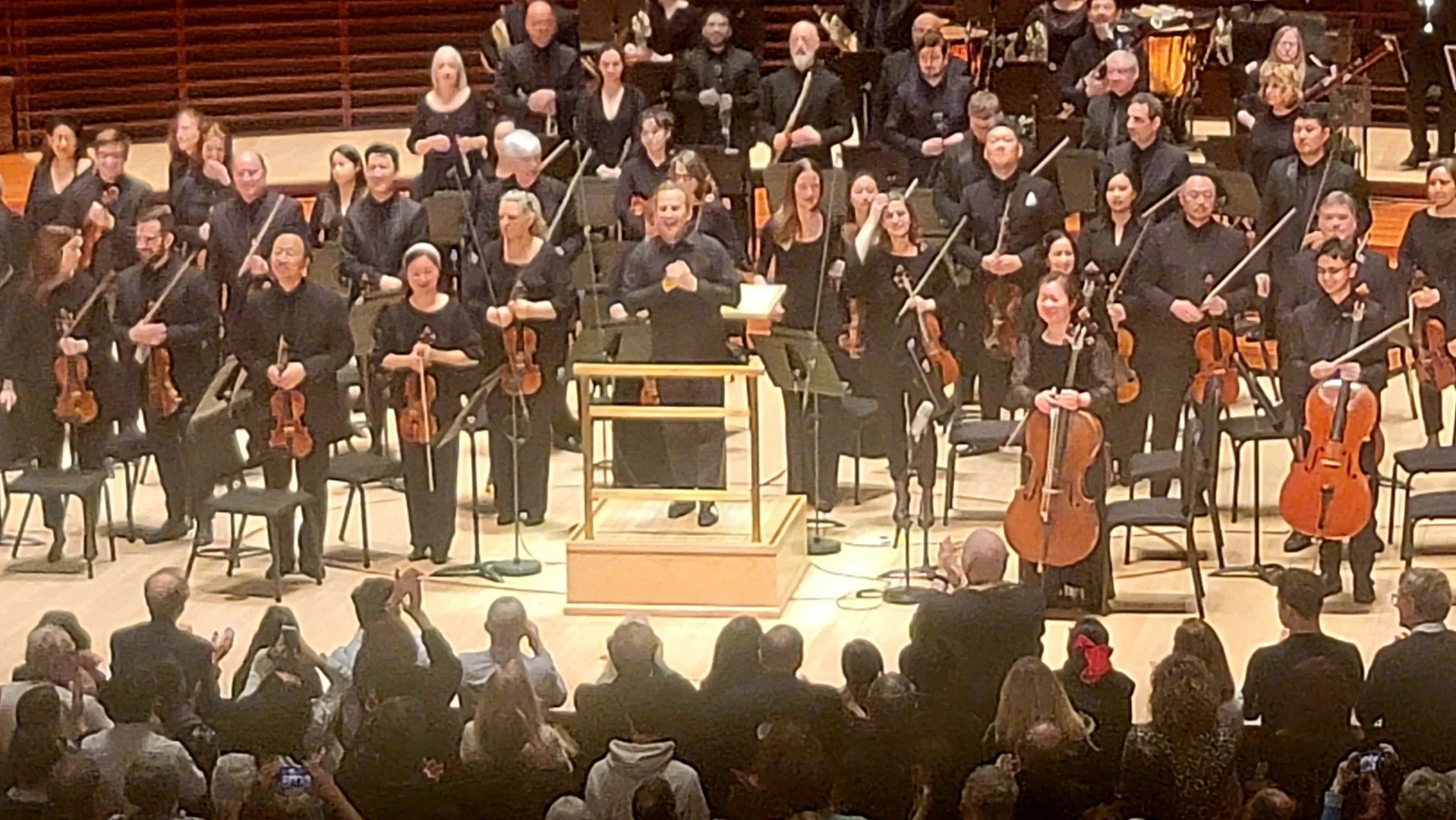
On the heels of its Carnegie Hall triumph in Mahler’s Second, the Philadelphia Orchestra returned home to play the music of another forgotten genius – a homegrown female American composer. Like Mahler, whose music had been forgotten for 50 years after his death, Amy Beach’s time has come as an important American composer.
The March 14 concert opened with Carl Maria von Weber's Overture to Der Freischütz. The energy crackled like a bolt of lightning from the very opera's Romantic enchanted forest. Yannick Nézet-Séguin kept things taut and theatrical, letting the brass snarl and the woodwinds shimmer.
The orchestra seating followed that of New York, lower strings on the right, horns in rear center before percussion, giving the orchestra a warm and mellow sound even in a full brassy climax. In the Liszt concerto, it also allowed the solo cello (played by Hai-Ye Ni in silky legato) to sing next to the piano in a passionate duet.
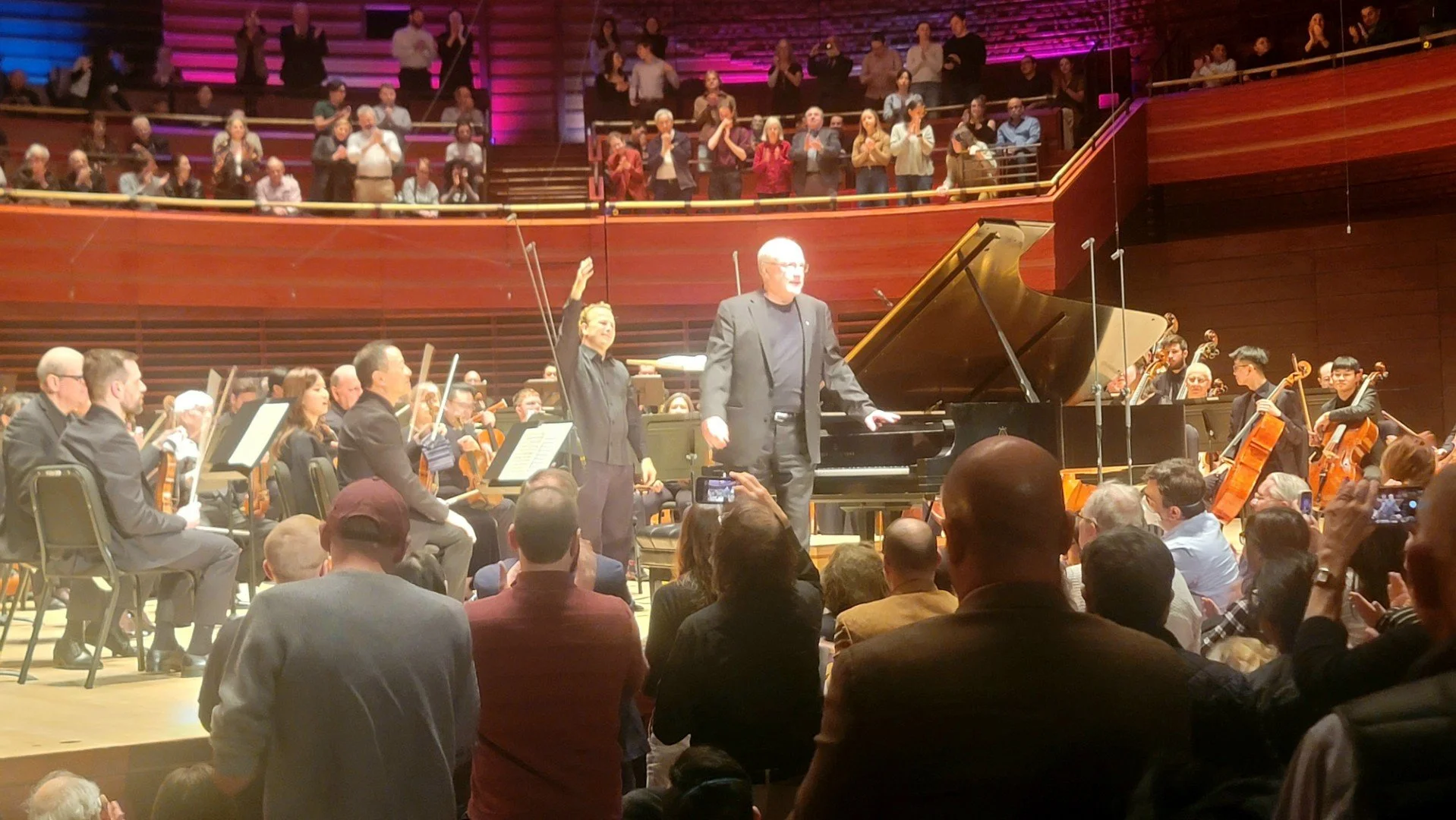
Marc-André Hamelin, the Canadian pianist in Liszt's Second Piano Concerto, traversed the keyboard with knuckle-cramping, breakneck passages that render the player's hands a blur — and made it appear effortless. His playing moved from dreamy reverie to full-bore storm without so much as a furrowed brow, the orchestra surging and retreating around him like tides. This is virtuosity that borders on the superhuman, one genius pianist playing the work of another genius pianist/composer.
The Symphony in E-Minor (“Gaelic”) by Amy Beach (1867-1944) was a revelation. At 40 minutes, it is the longest work and first symphony written by an American female composer, without the benefit of European training. (Serendipitously, one of her American teachers was a student of Franz Liszt!) First performed by the Boston Symphony Orchestra in 1896, the work is tonal and melodic in the Romantic tradition, echoing the music of Brahms or Rachmaninoff, but structurally it is a lot more free and loose, weaving traditional Irish, Scottish, and English melodies (sung by the oboe and English horn) into its thick symphonic fabric (“too heavy” according to a contemporary critic at the work’s premiere). Maestro Nézet-Séguin gave an earnest, warm reading of the symphony. The orchestral playing combined the sublime with the charming folksy elements. My own favorite is the richly lyrical third movement, Lento con molto espressione, ostensibly in ternary form. It starts with a solo violin melody, picked up by the cello, then by the oboe, before the melody is sung by a chorus of strings and tossed back to the solo violin and cello in a charming duet. The audience was enthusiastic and applauded in between movements – to which the conductor gestured to stop after the third movement, turned around and said good-naturedly, “But I understand your enthusiasm!”
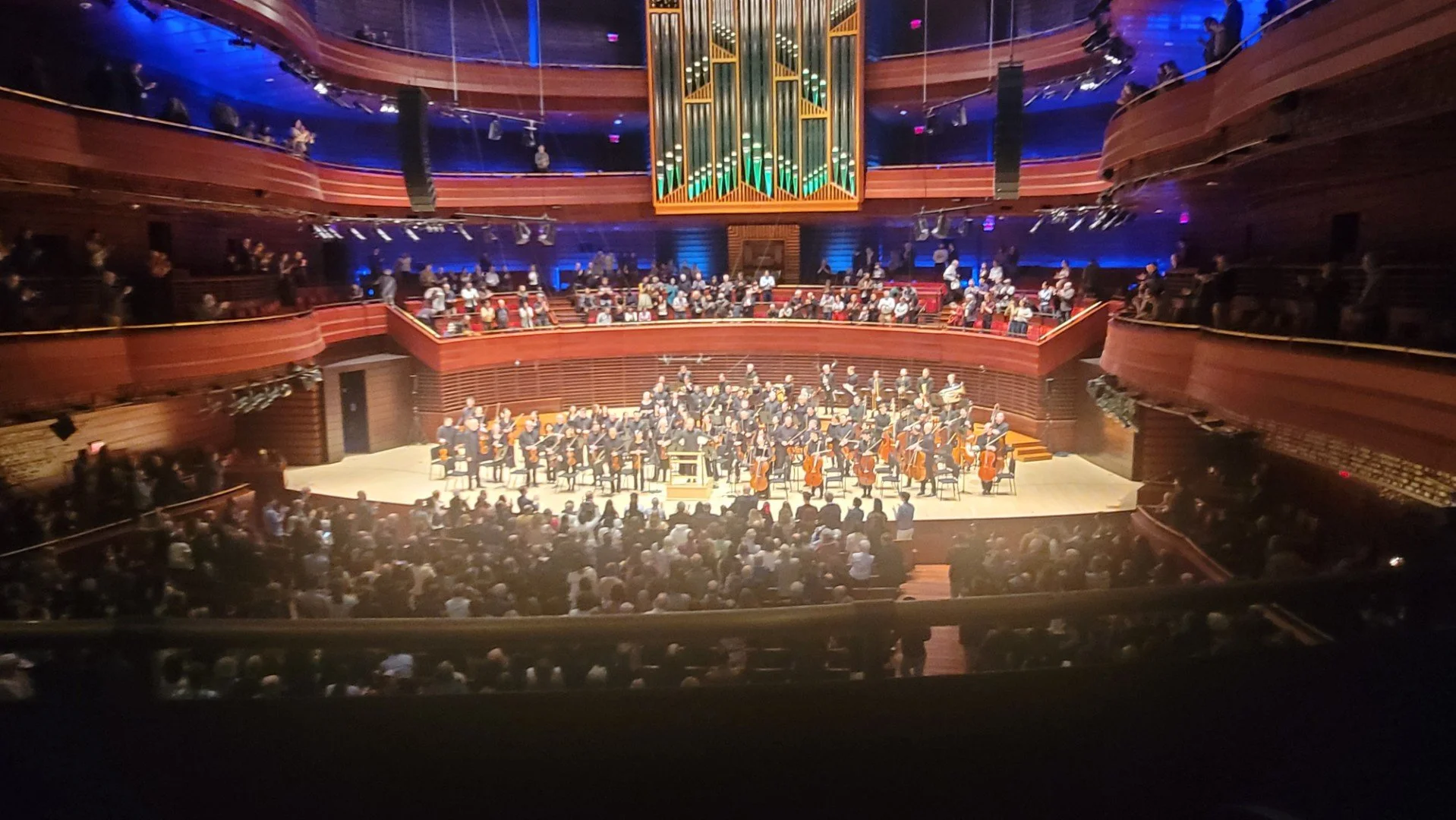
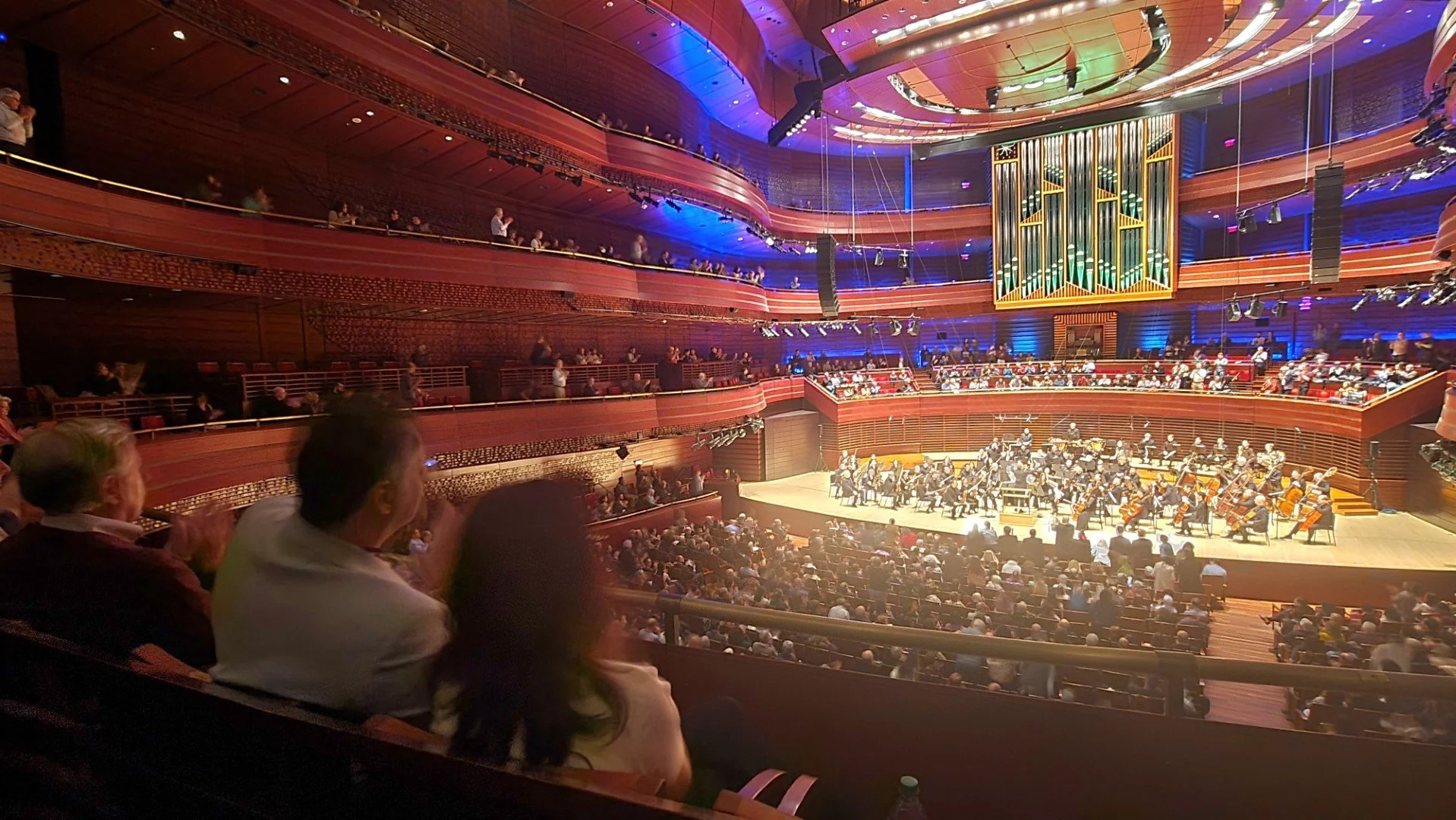
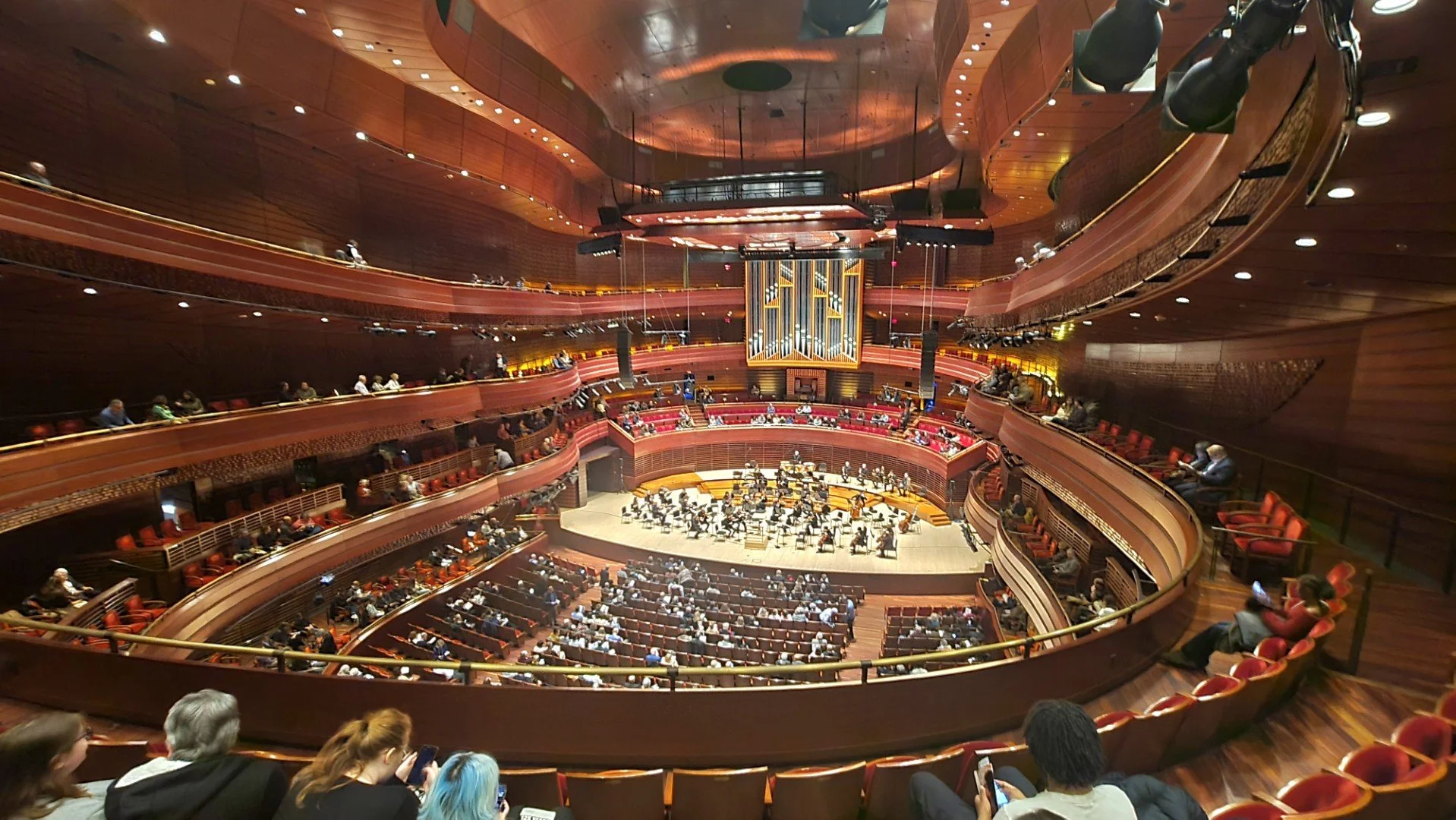
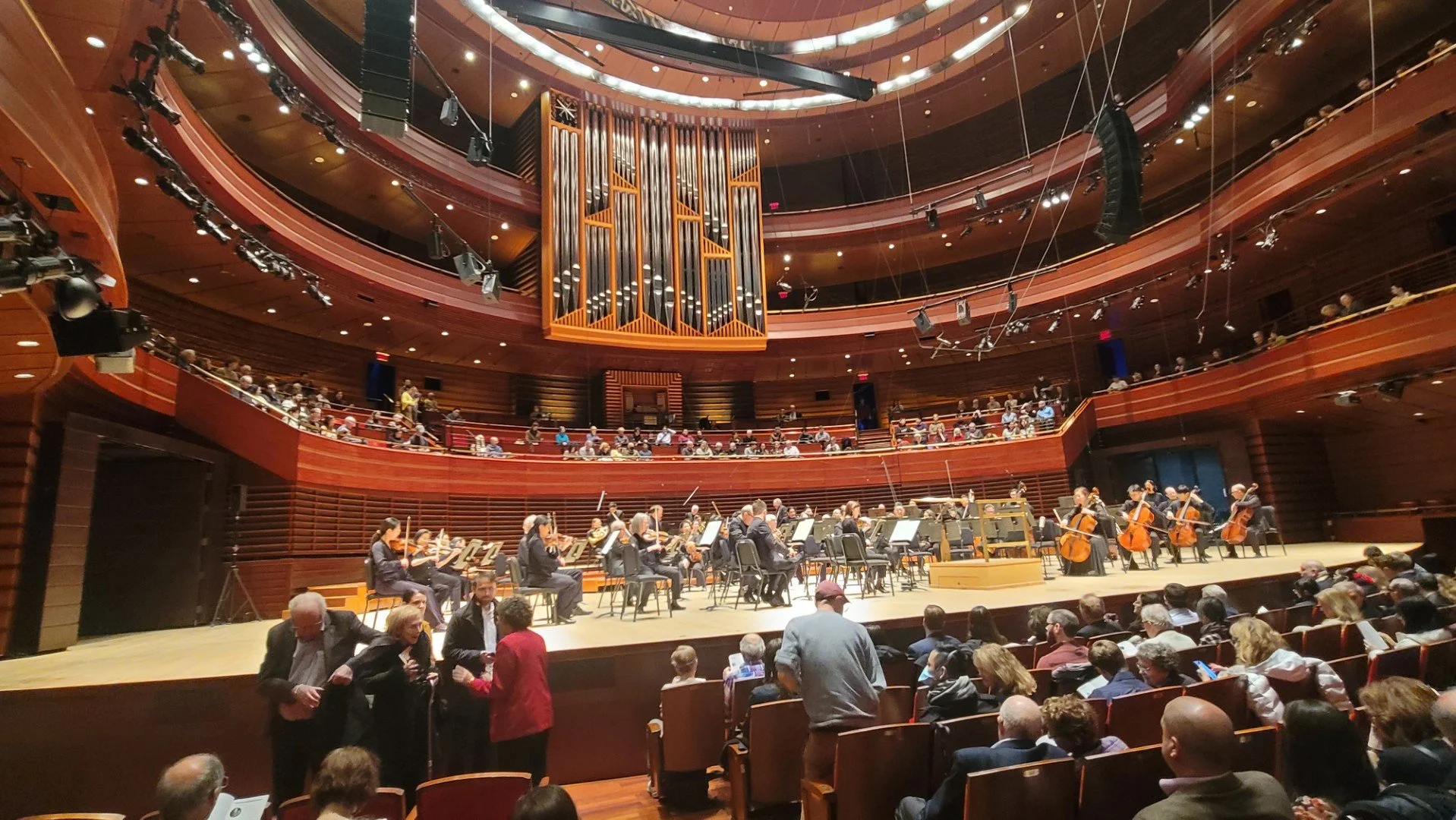
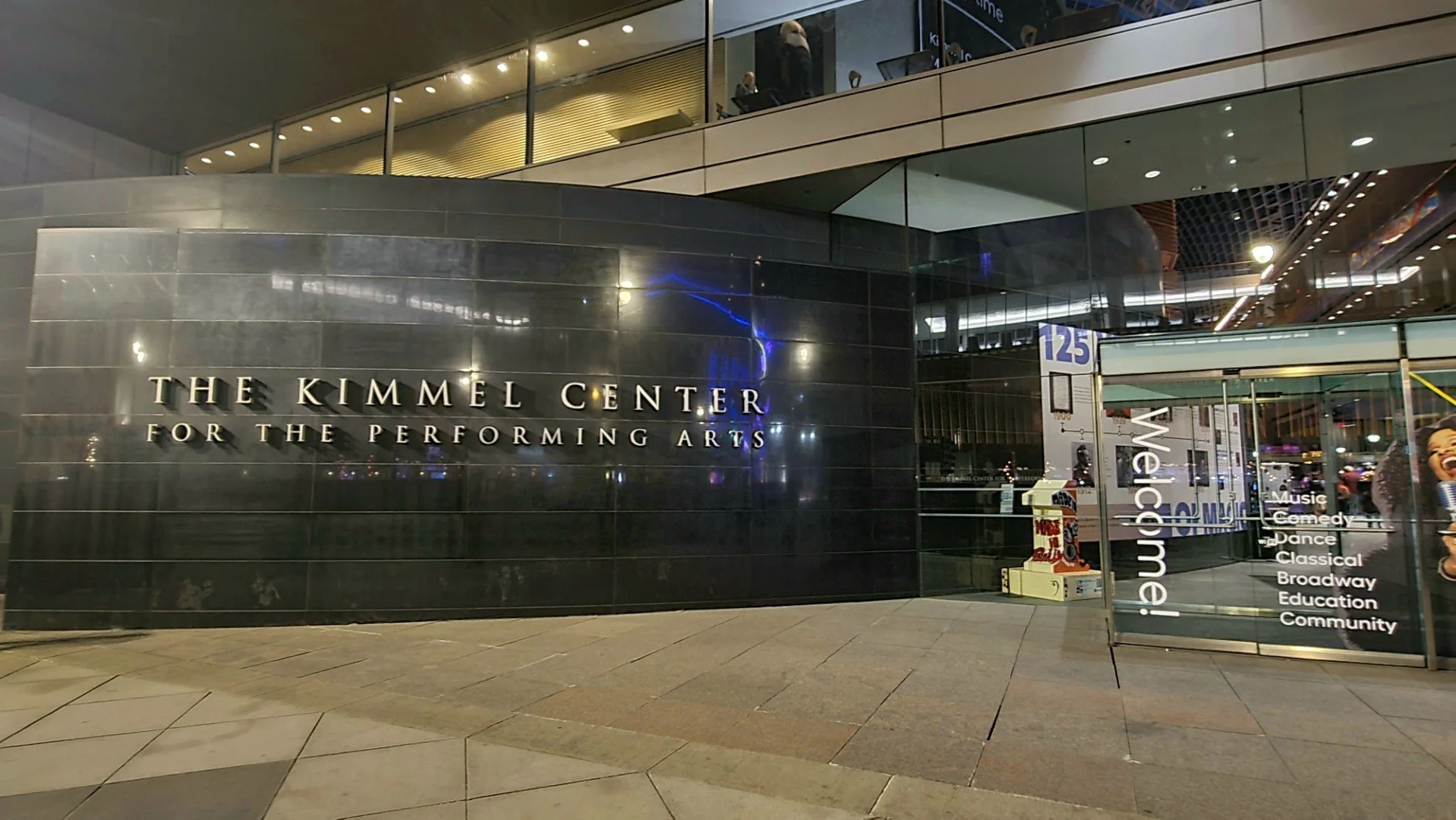
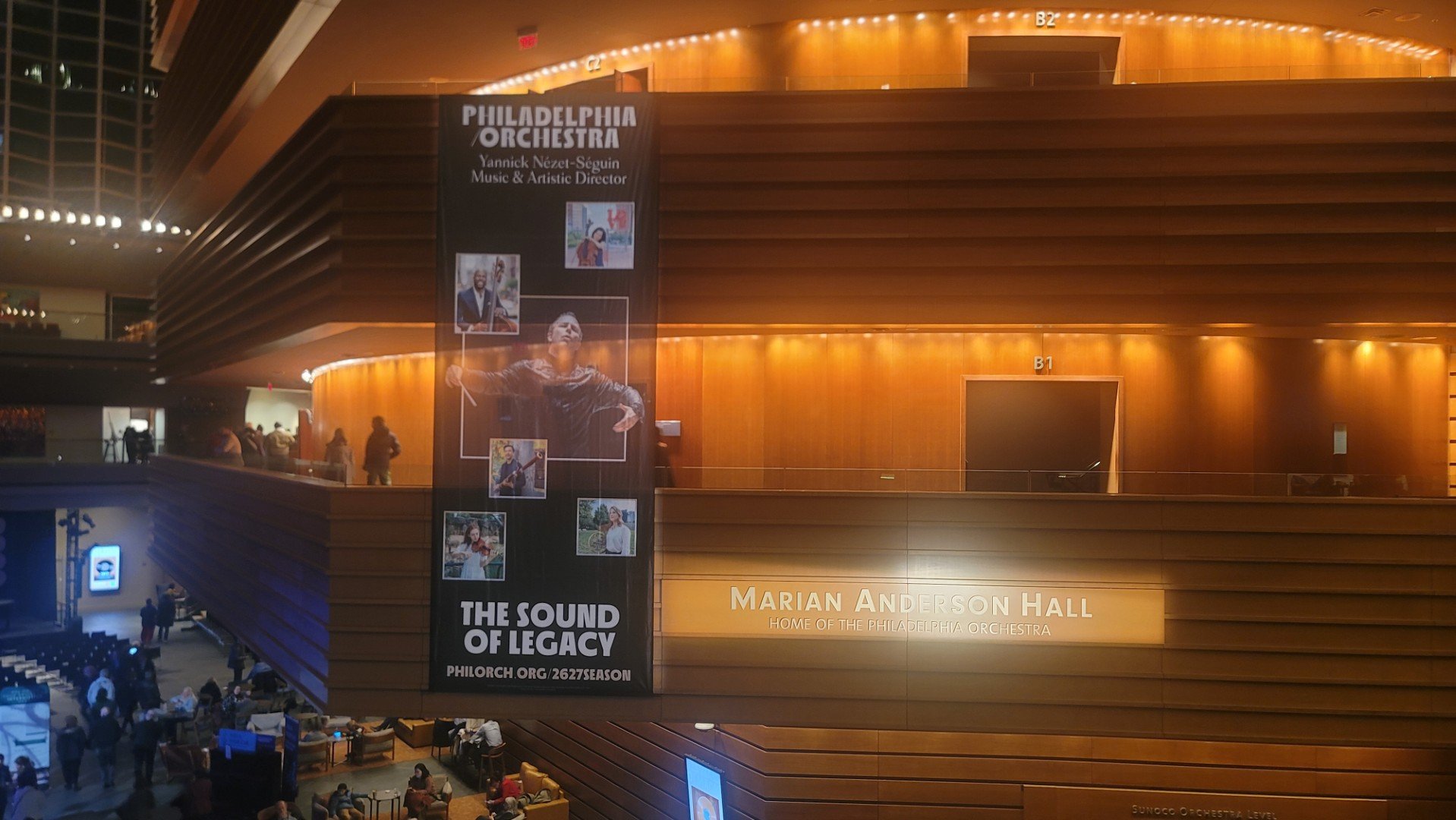
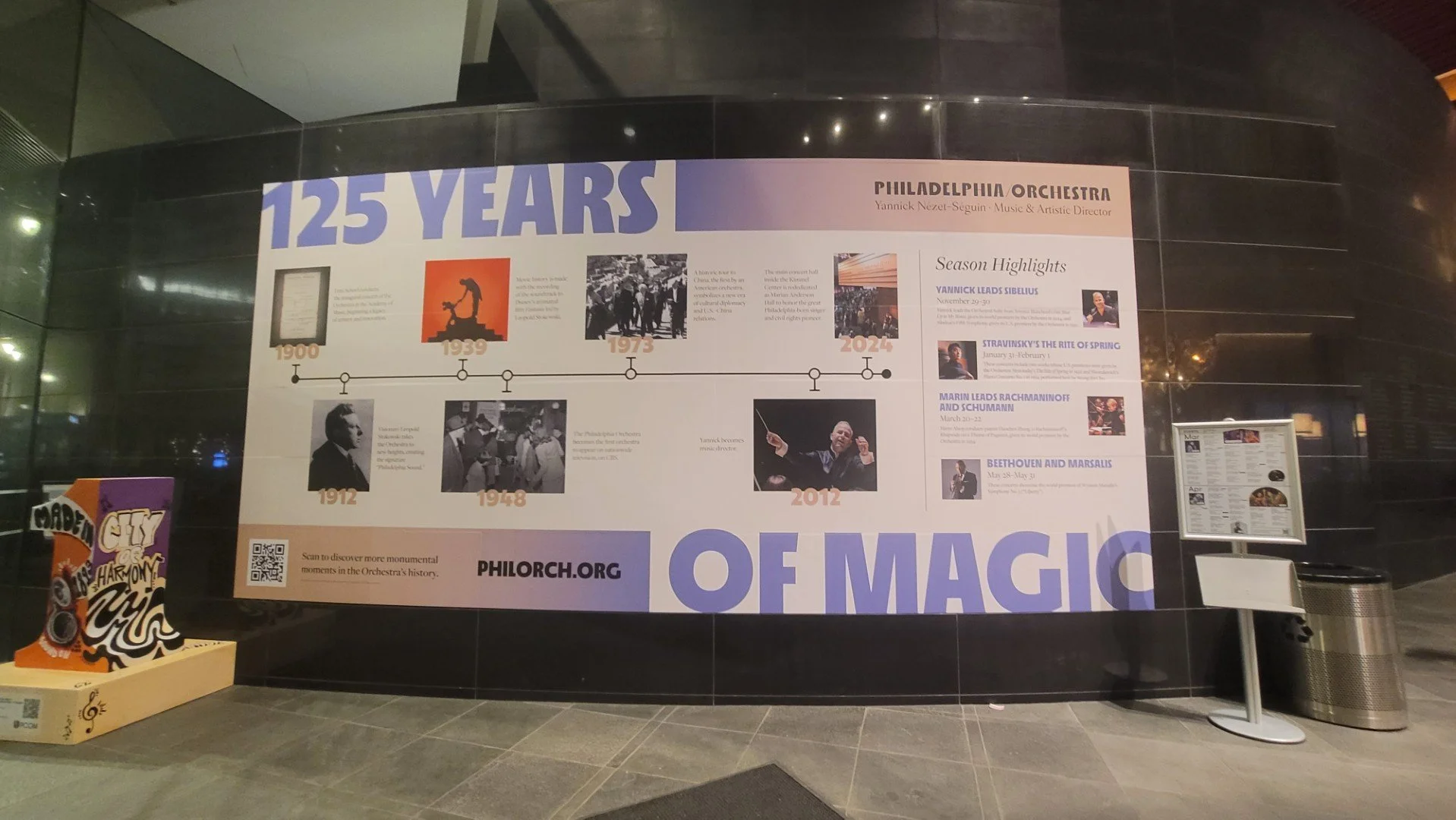
2025-2026 is a milestone season for the storied Philadelphia Orchestra, celebrating its 125th anniversary. Founded in 1900, the orchestra played at the old Academy of Music until 2001, when they moved to the current home at the Verizon Hall in the Kimmel Center. The hall was rechristened Marian Anderson Hall in 2024. (Ms. Anderson first performed with the Philadelphia Orchestra in 1937 and was the first black singer at the Metropolitan Opera. As an opera singer, she was that rarest of songbirds, a genuine female contralto.)
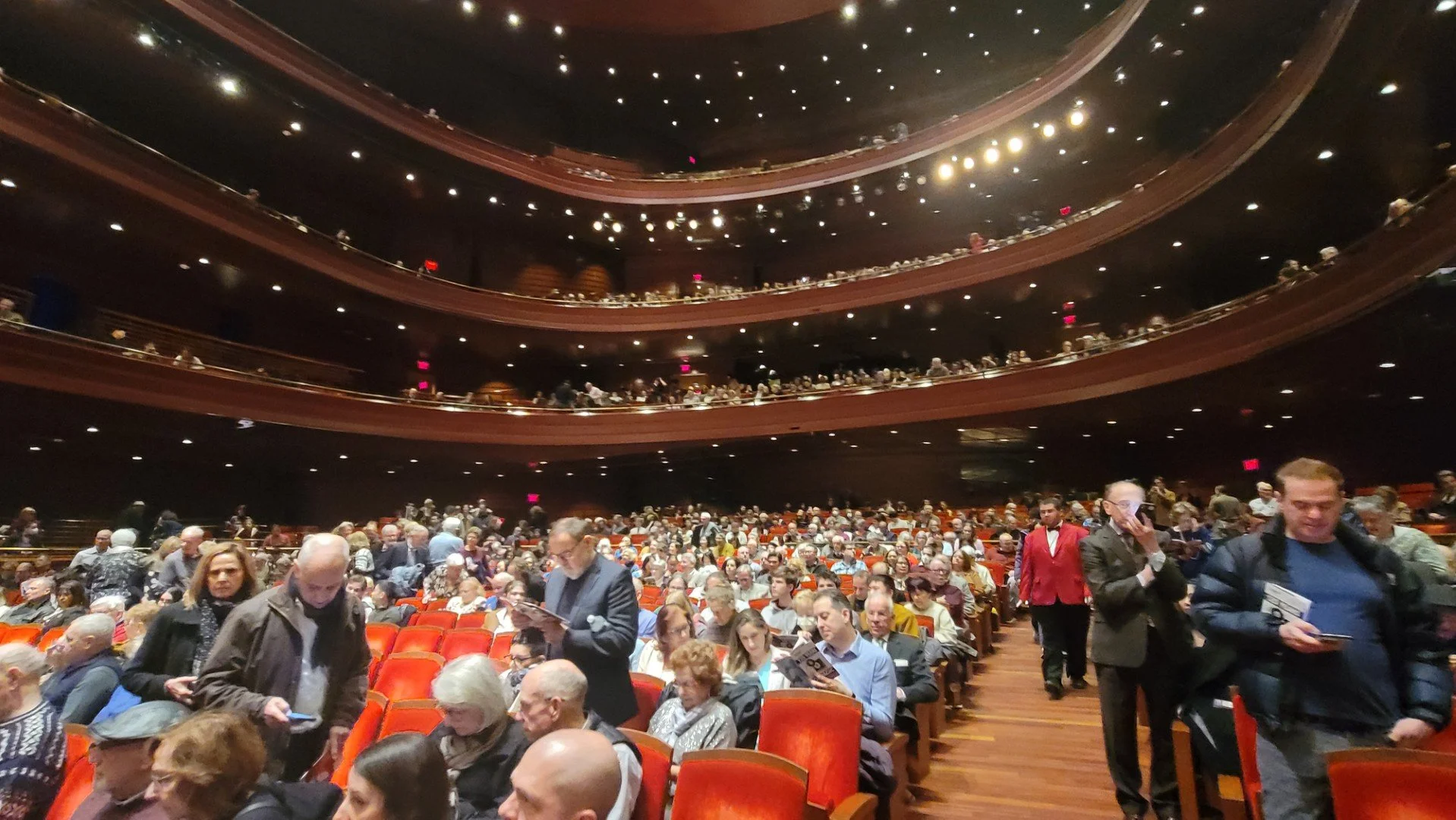
The cello-shaped hall is designed for orchestral music. It amplifies the fabled ‘Philadelphia Sound’ more beautifully the higher you sit. The acoustics can be fine-tuned with the curved reflector walls (above and behind the stage) and moveable stage towers. I sat in the stalls during the first half of the concert and the orchestra sounded fine, but the Steinway was clangy and lacking in bass, although not as bad as New York’s Geffen Hall. The sound improved dramatically when I moved to the first tier for the second half – warm, gloriously blended strings, winds and brass in the softest and loudest passages. During his tenure (1912-1941) , Leopold Stokowski loved to experiment with different orchestra seating arrangements to achieve special effects – putting the basses and cellos behind the winds, or the harps on both sides for Scheherazade, for example – I wish today’s conductors would be more adventurous in this regard.
On Friday, April 10, the Philadelphia Orchestra will hold its annual gala concert at the Academy of Music.
Truman C. Wang is Editor-in-Chief of Classical Voice, whose articles have appeared in the Pasadena Star-News, San Gabriel Valley Tribune, other Southern California publications, as well as the Hawaiian Chinese Daily. He studied Integrative Biology and Music at U.C. Berkeley.