
Mahler in Carnegie Hall Receives Splendid Philadelphia Sound
/By Truman C. Wang
3/13/2026
Photo credit: Chris Lee | Carnegie Hall
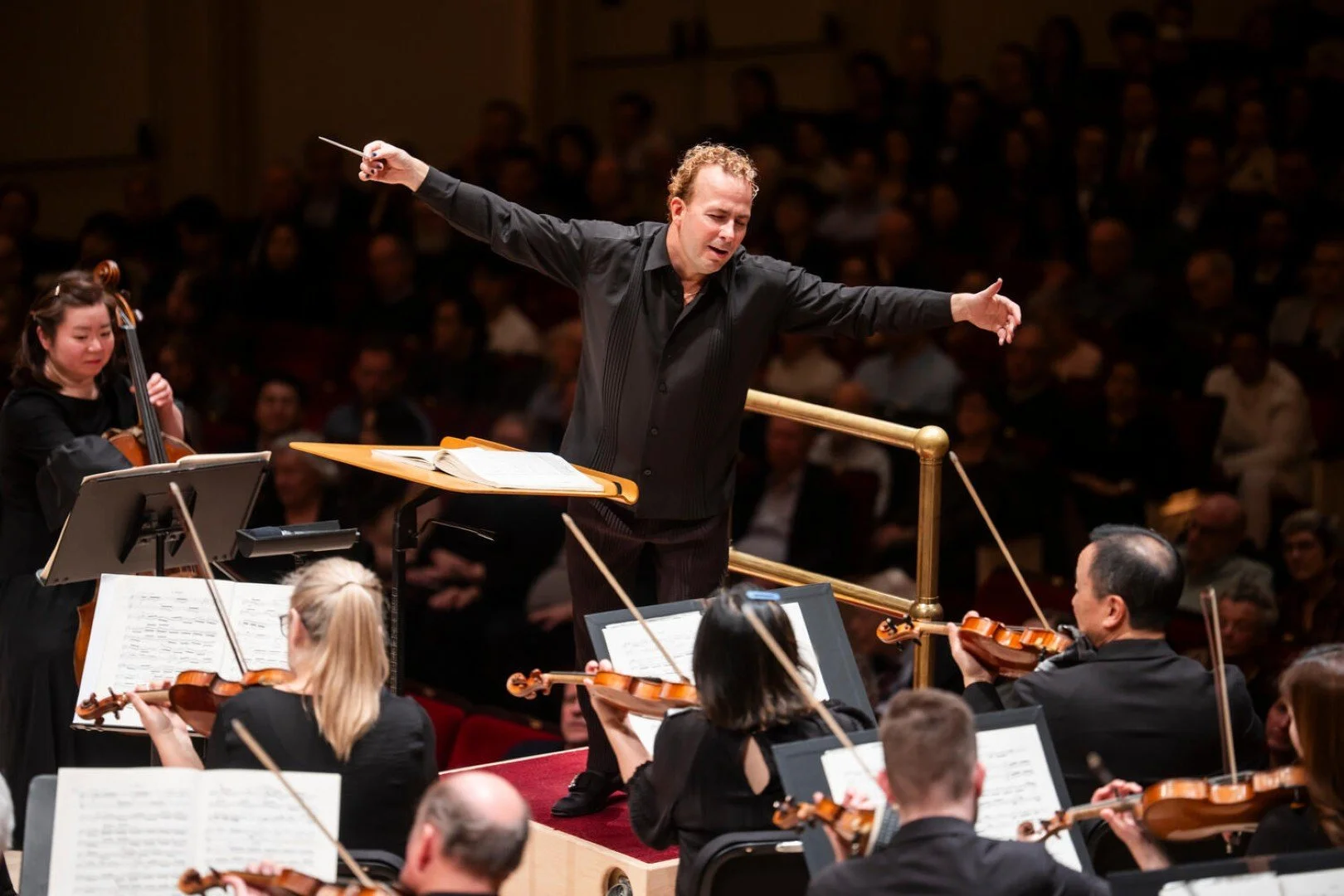
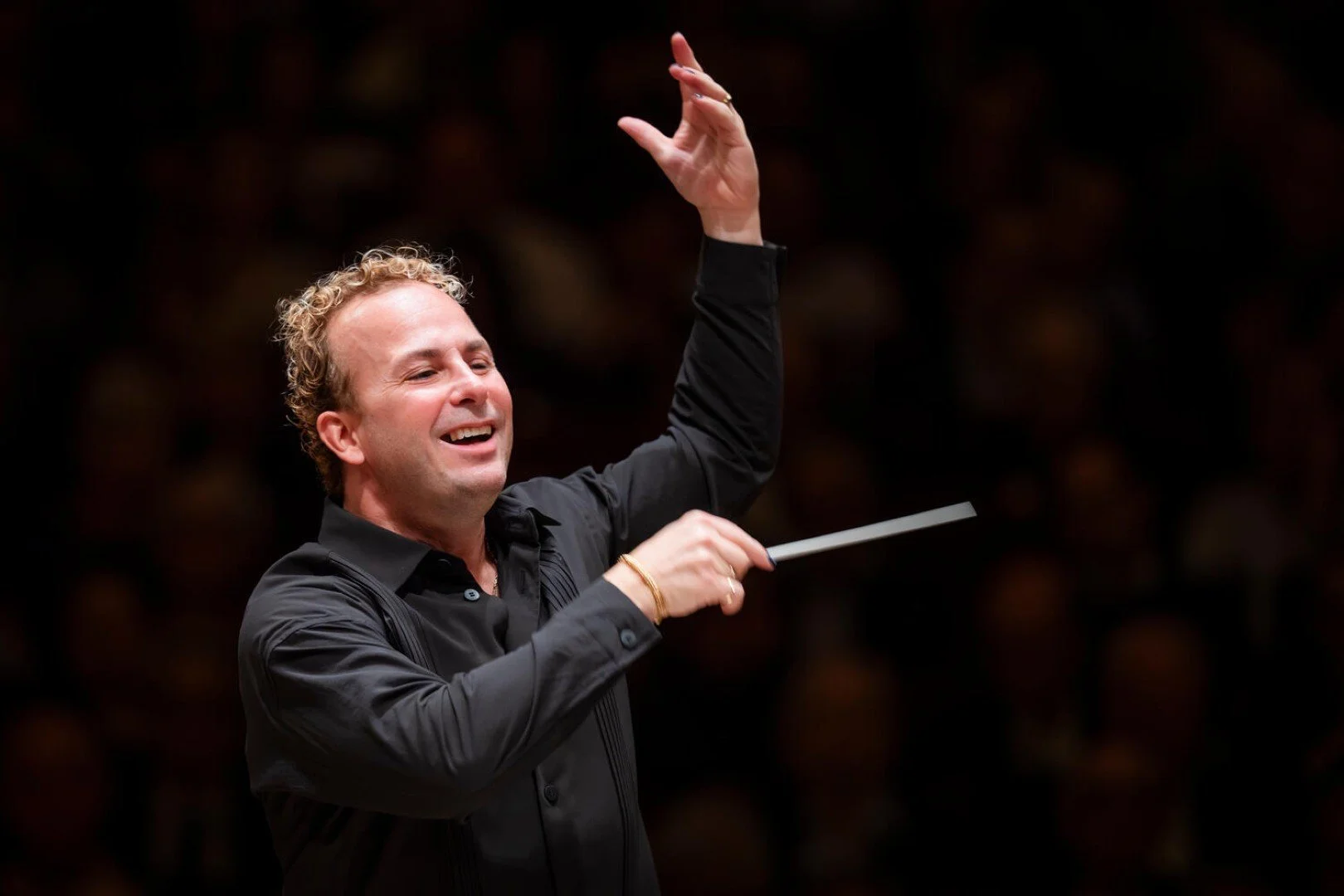
There are concerts, and then there are events. Tuesday night's Philadelphia Orchestra performance at Carnegie Hall — Mahler's Symphony No. 2 in C minor, the "Resurrection" — fell thunderously into the latter category. From the first trembling, razor-precise string tremolos to the final cathartic blaze of choir and orchestra, Yannick Nézet-Séguin conducted with the kind of white-hot conviction that makes you forget to breathe. Incredibly, just the night before, he conducted another event, Tristan und Isolde, at the Met. The two soloists engaged for this concert, not coincidentally, also hailed from the Met.
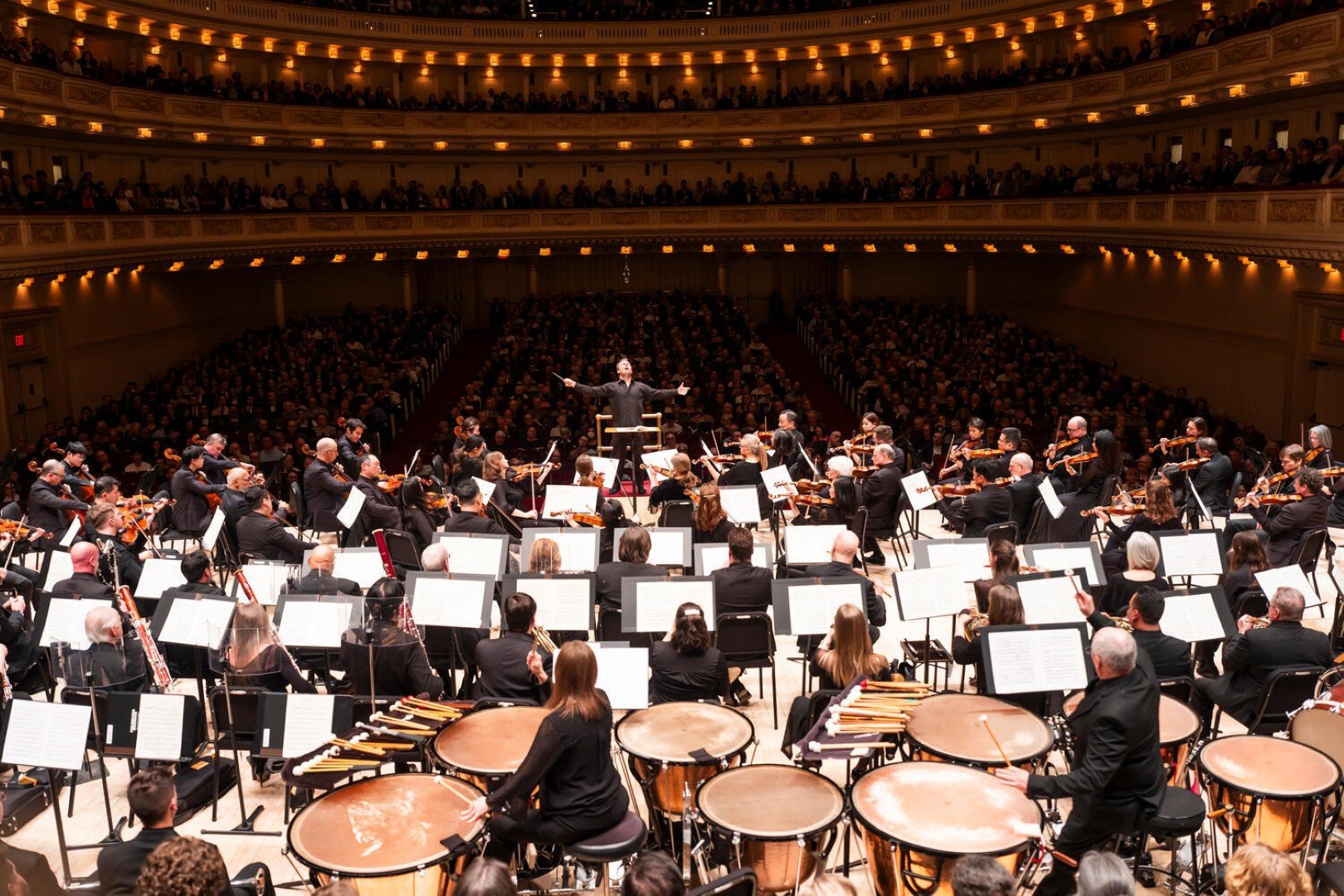
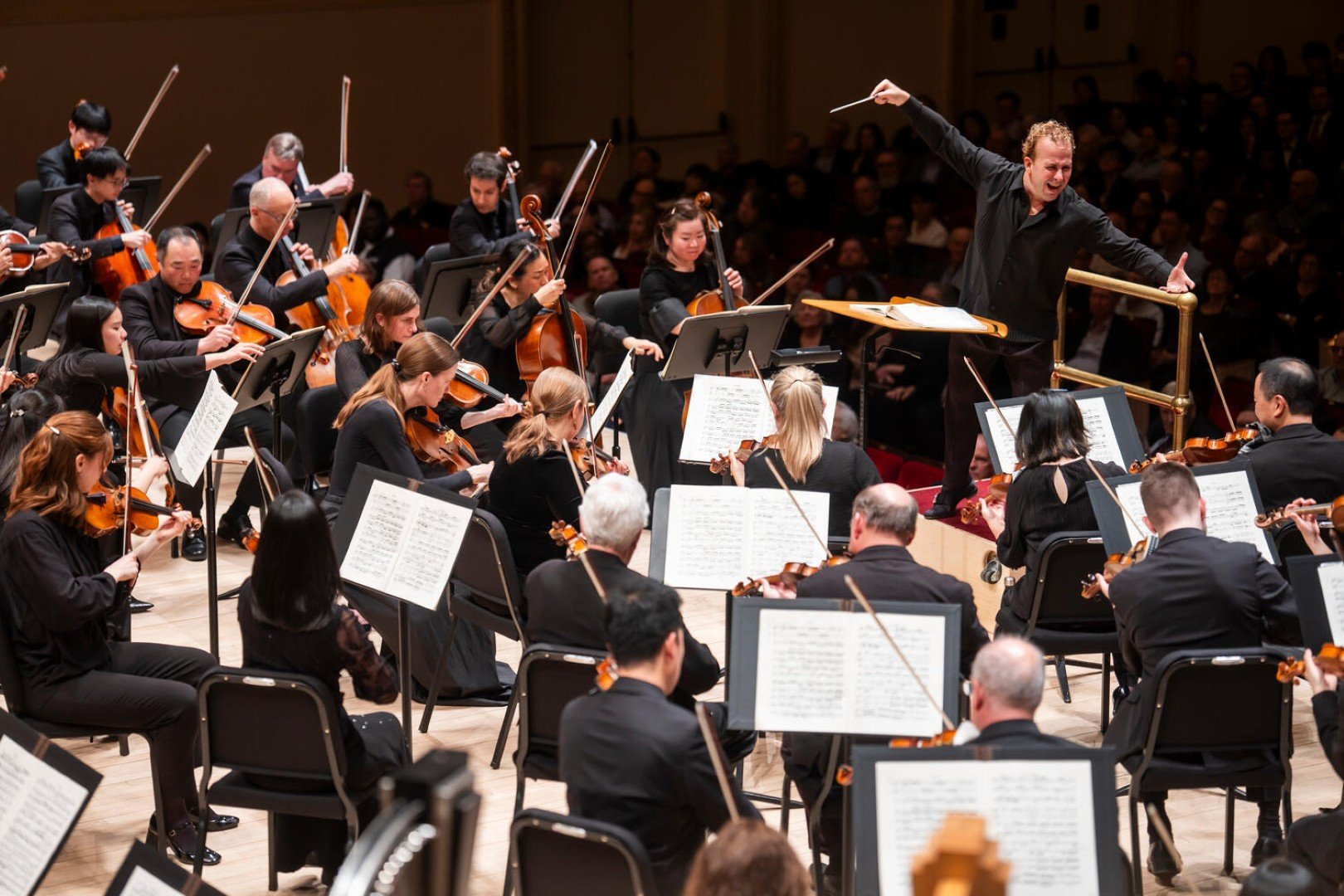
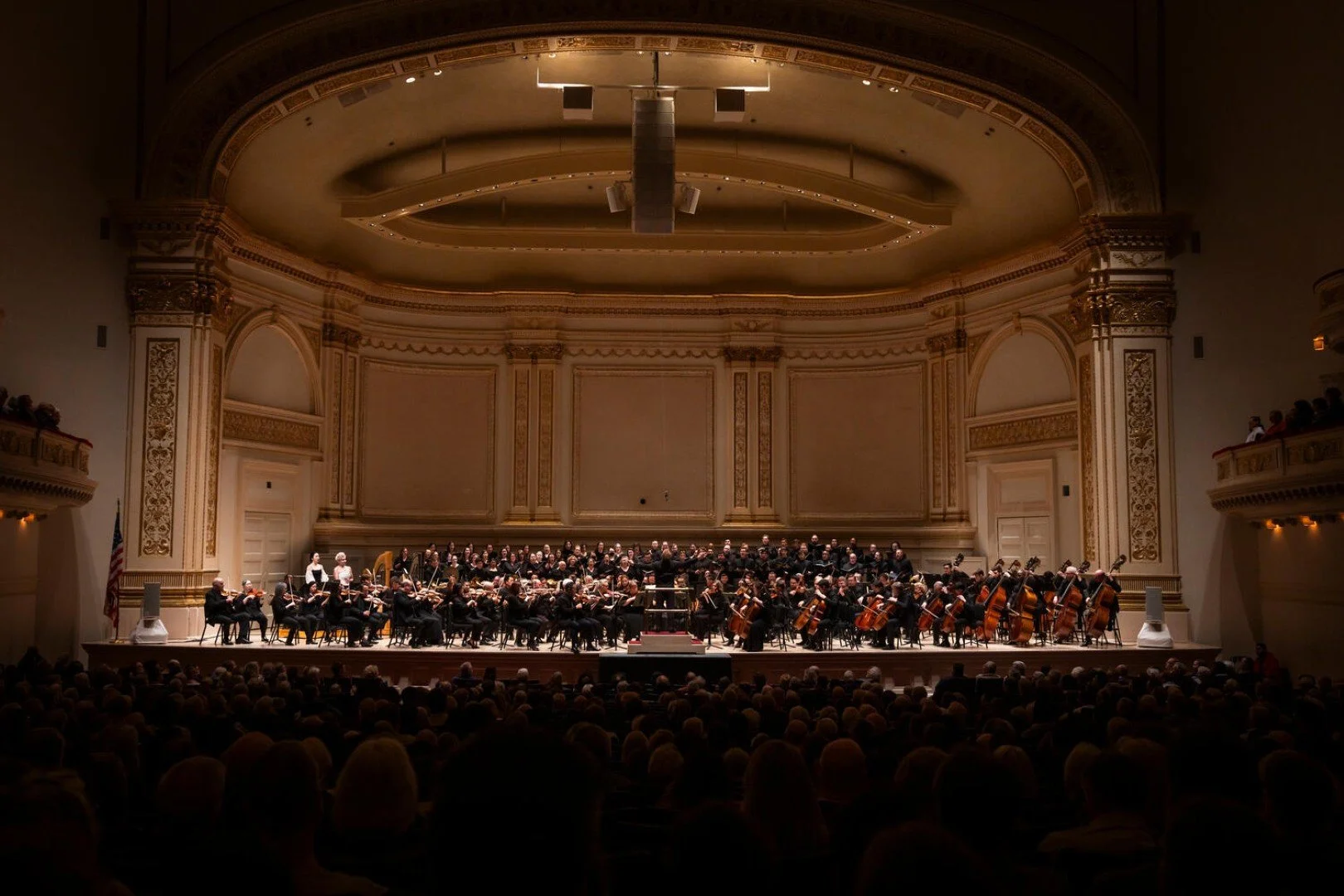
The evening carried a delicious historical charge: this is the very hall where Mahler himself conducted the American premiere of this symphony. The ghost of that occasion seemed to hover in the gilded air, and Nézet-Séguin honored it not with reverence but with raw urgency. He shaped the vast first movement with architectural grandeur, coaxing elegance from the horns and woodwinds even as the lower strings slashed and snarled. His pacing was masterly — enough stillness after the opening movement (1 minute pause instead of 5 prescribed by the composer) to let the emotional storm subside before the gossamer Andante floated in like a fever dream. The St. Francis-preaching-to-the-fish scherzo was wickedly humorous with a loudly yelping B-flat clarinet.
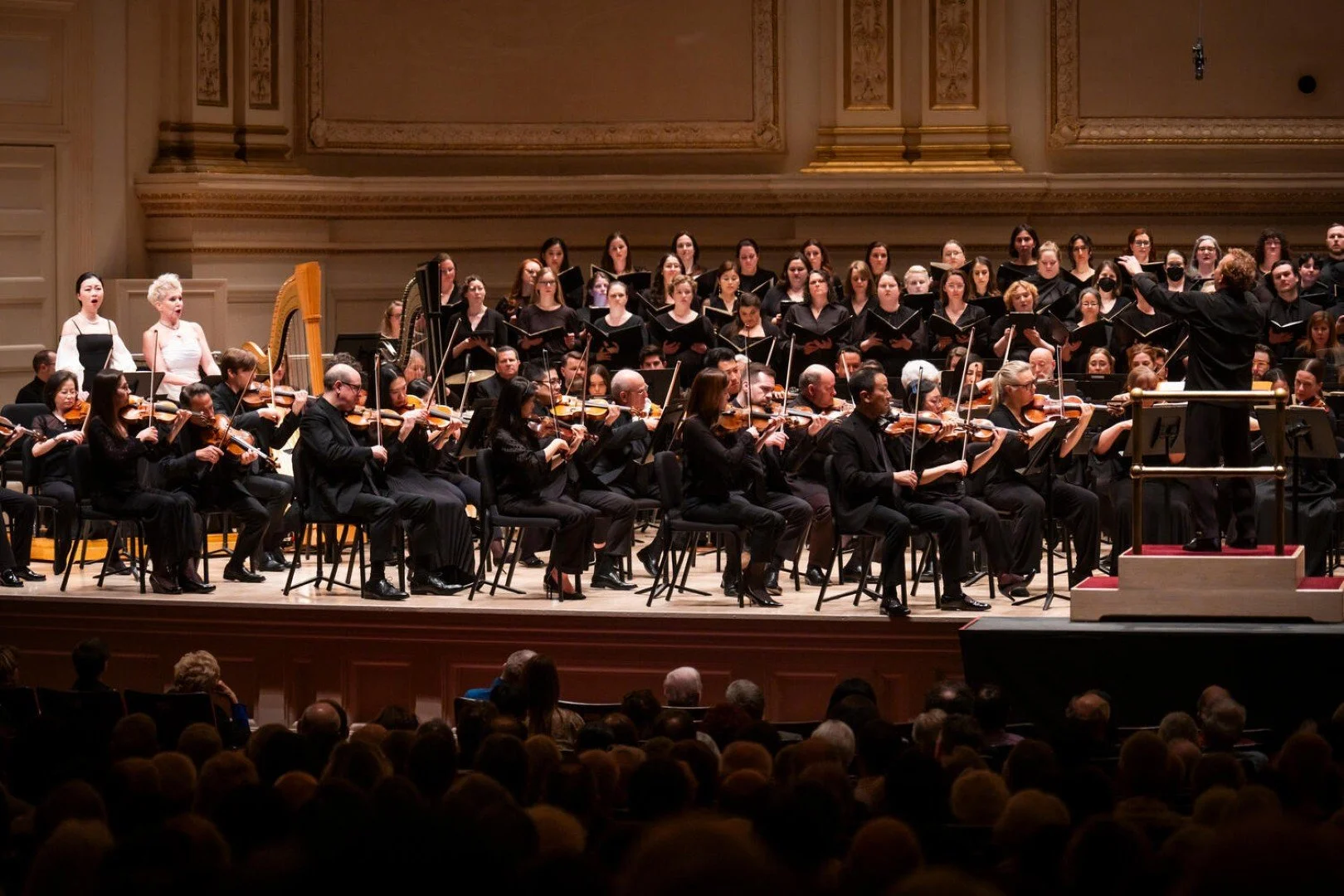
The soloists were a dream pairing. Mezzo-soprano Joyce DiDonato, a longtime Nézet-Séguin collaborator, brought burnished warmth and quiet spiritual authority to Urlicht, the brief fourth-movement interlude that functions as the symphony's emotional fulcrum. Soprano Ying Fang, joining in the finale, delivered her first two lines ("wird der dich rief dir geben" and "und sammelt Garben uns ein, die starben") with sublime purity — no vibrato, just pure-toned sweetness, suspended in the perfumed air.
The Philadelphia Symphonic Choir, prepared by director Joe Miller, arrived at the finale in impeccable form. Their entrance — barely a whisper, singers still seated — was a masterstroke of restraint before the eventual unleashing. The balance between forces, the intonation, the dynamic range from barely audible to earth-shaking: all flawless.
Apart from the strong performance at hand, two things stood out in my memory of this concert – the bewitching acoustics of the Carnegie Hall (despite the intrusion of outside police sirens) and the luminous, beautiful sound of the Philadelphia Orchestra (despite some flubbed brass entries in the fifth movement). As I recall the 2024 Mahler Second by the New York Philharmonic at the acoustically-challenged Geffen Hall, where I could not hear the two soloists in the final climactic choral passages, at the Carnegie Hall, the voices soared with crystalline clarity.
On Saturday, March 14, I will report from the Philadelphia Orchestra’s home base, the Marion Anderson Hall. Stay tuned.
Truman C. Wang is Editor-in-Chief of Classical Voice, whose articles have appeared in the Pasadena Star-News, San Gabriel Valley Tribune, other Southern California publications, as well as the Hawaiian Chinese Daily. He studied Integrative Biology and Music at U.C. Berkeley.