
Dallas Symphony Dazzles in Rare Orange County Return
/By Truman C. Wang
4/7/2026
Photo credit: Philharmonic Society of Orange County
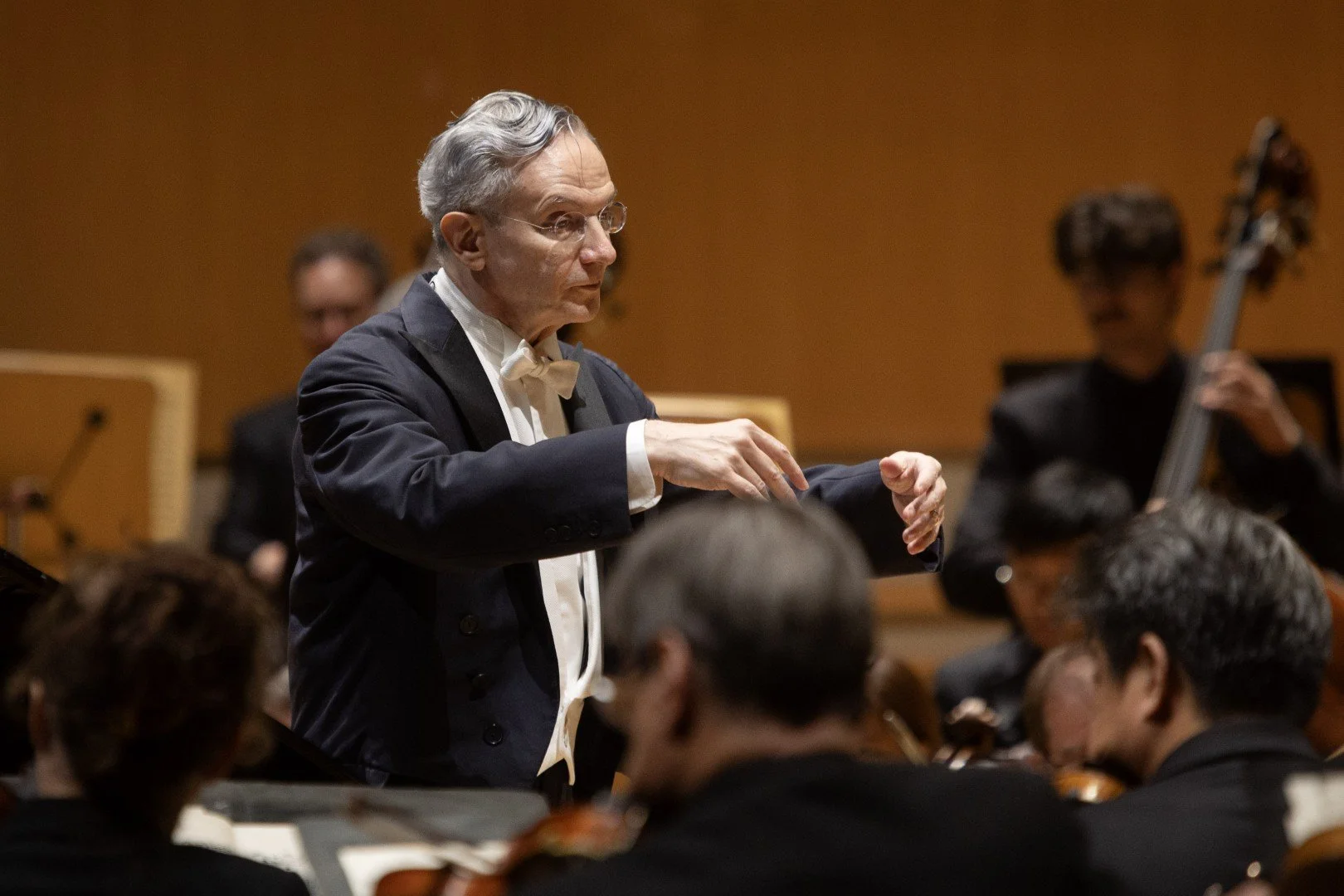
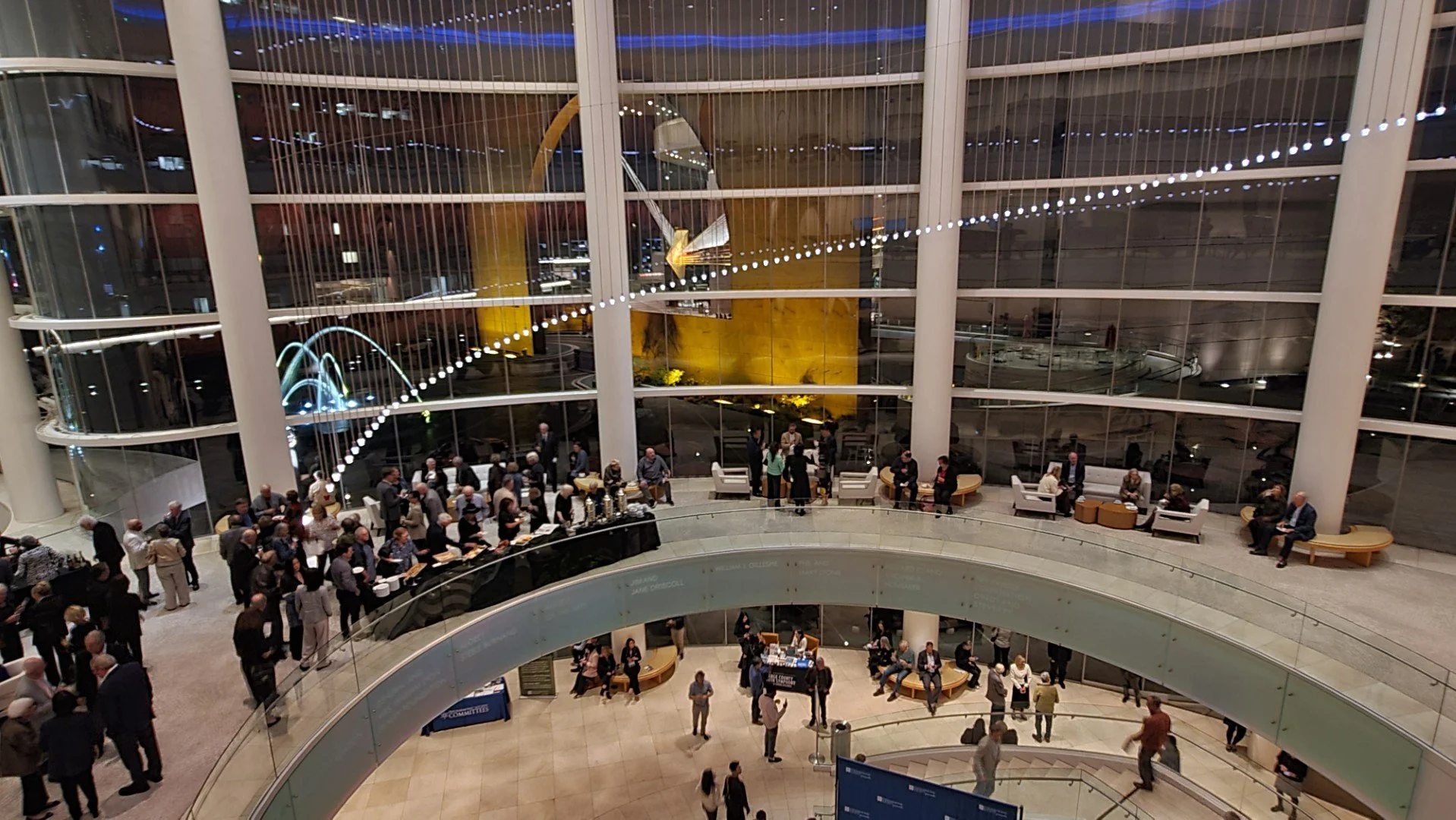
The Dallas Symphony Orchestra hadn't visited Orange County in over fifty years. During this time, the orchestra has transformed into a world-class ensemble, currently led by world-renowned Music Director Fabio Luisi. Similarly, the OC classical music scene, thanks in part to the Philharmonic Society of Orange County, has matured and grown, with a gleaming new concert hall now gracing the Segerstrom Performing Arts complex.
The wait was definitely worth it.
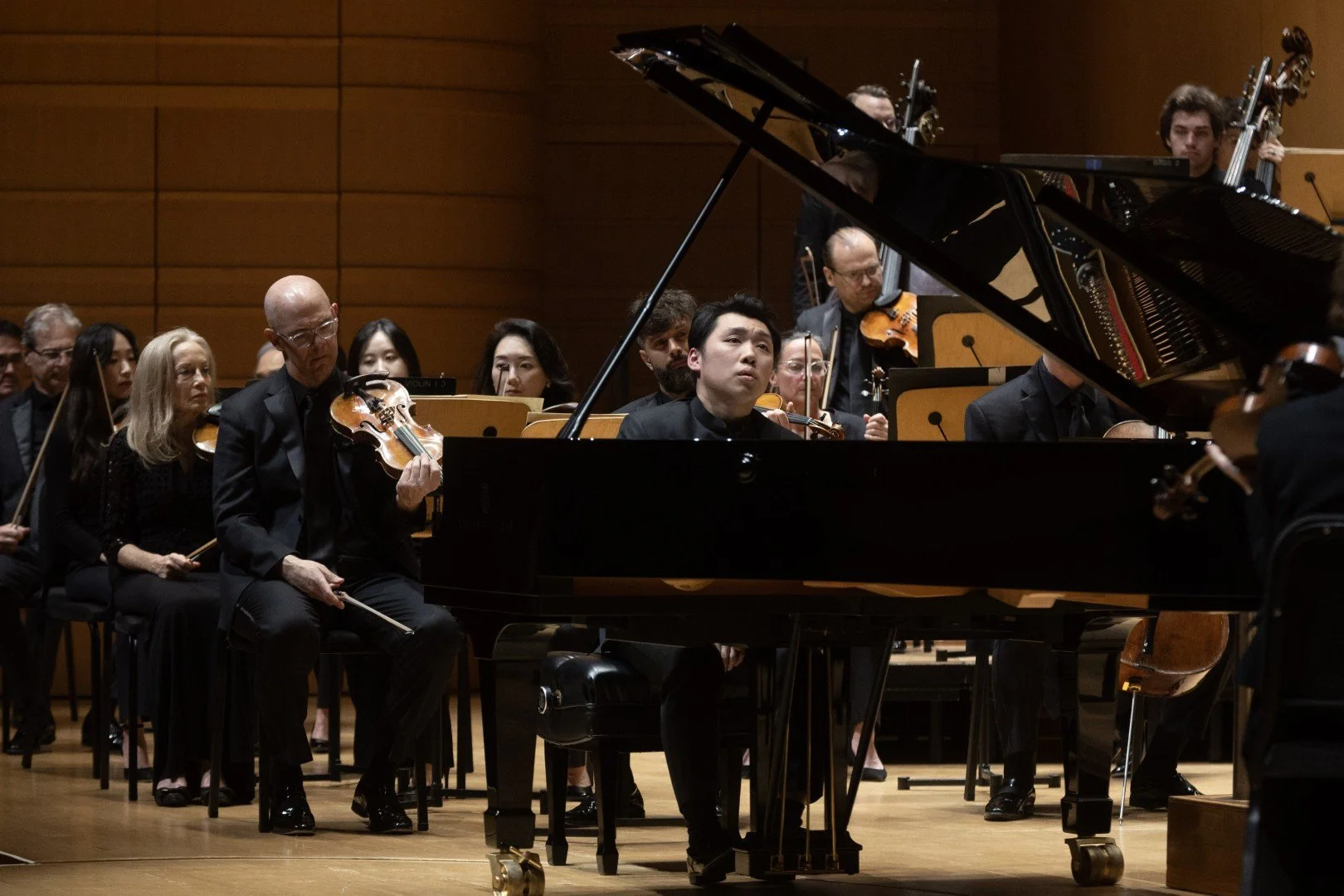
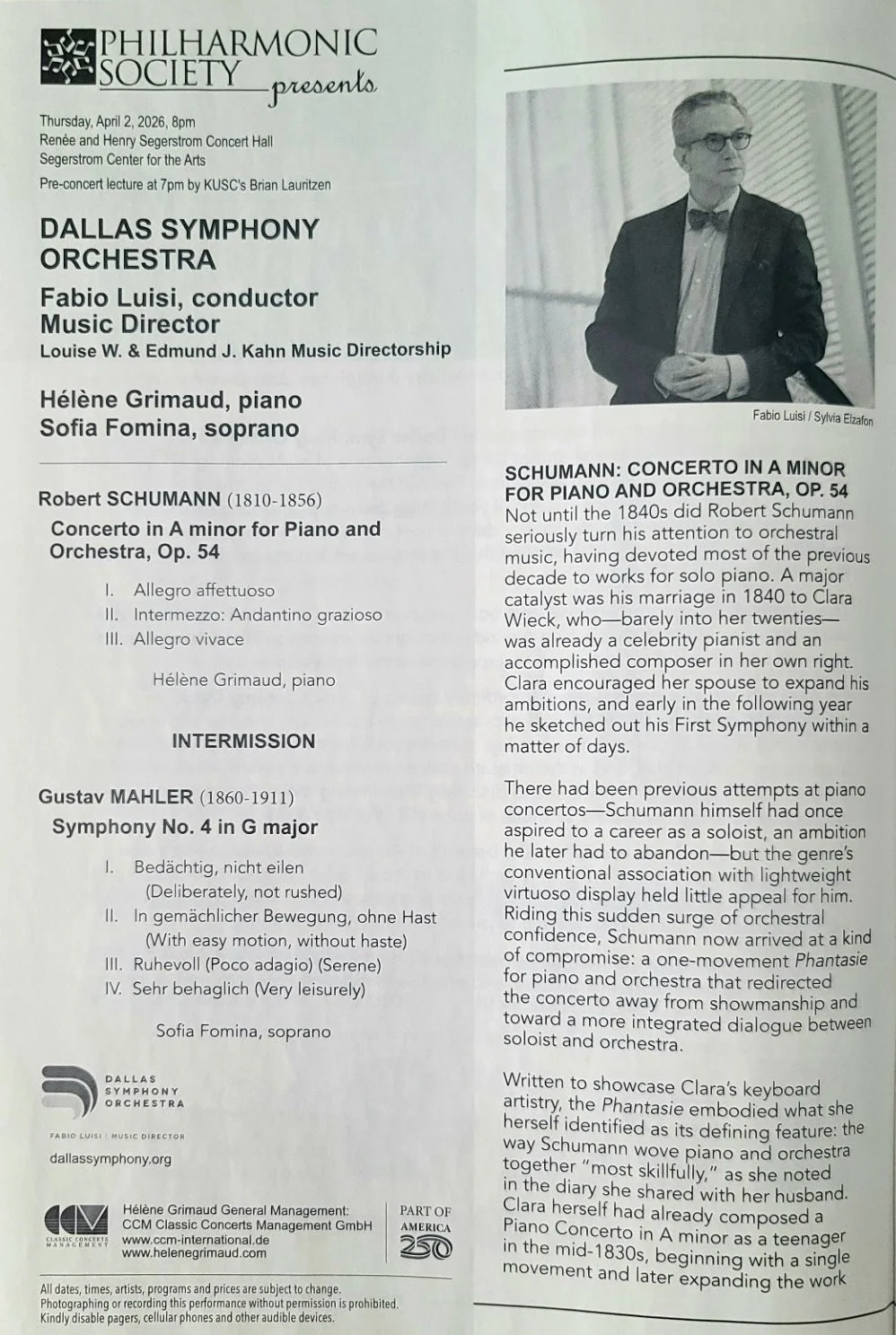
Stepping in for an ailing Hélène Grimaud just days before the concert (on Thursday, April 2), pianist George Li played Schumann’s Piano Concerto in A-minor without a hint of nerves and delivered a performance of startling maturity. His entrance in the opening movement was commanding – the famous tumbling octaves launched with real weight – but it was the Intermezzo that revealed his true artistry. Li found a hushed, singing tone that floated over the orchestra's gentle accompaniment, the piano's long melodic lines spinning out like an intimate confession. The finale crackled with rhythmic energy, the piano and orchestra trading momentum in a give-and-take that felt genuinely spontaneous.
After intermission came Mahler's Fourth Symphony – the sunniest, the least troubled, of his symphonies. In my review of their 2024 concert staging of Götterdämmerung at the Meyerson Hall, I noted the beautiful cantabile quality of the Dallas strings, and it was again evident here, the strings shimmering through the opening sleigh-bell reverie. Throughout the first movement, maestro Fabio Luisi, largely by means of tempo transitions, some stabbing accents and plangent timbers, made it more disturbing than usual. One recalled Mahler’s observation, “Occasionally it darkens and becomes phantasmagorical and terrifying: not that the sky becomes overcast, for the sun continues to shine eternally, but that one suddenly takes fright; just as on the most beautiful day in a sunlit forest one can be seized with terror or panic.”
The scherzo's eerie solo violin (a tune Mahler instructed should sound like a "fiddle tuned a step too high") cut through the hall with an unsettling grin. The adagio was the emotional core of the evening – a set of variations of extraordinary tenderness, the strings singing softly and sweetly (first the cellos and violas, soon joined by the violins), the melody soaring to celestial heights where time seemed to stand still on the two-note ‘Ewigkeit’ (“eternity”) motif. In both the scherzo and adagio, string portamento and slides were observed judiciously, an essential but often overlooked feature in modern Mahler performances.
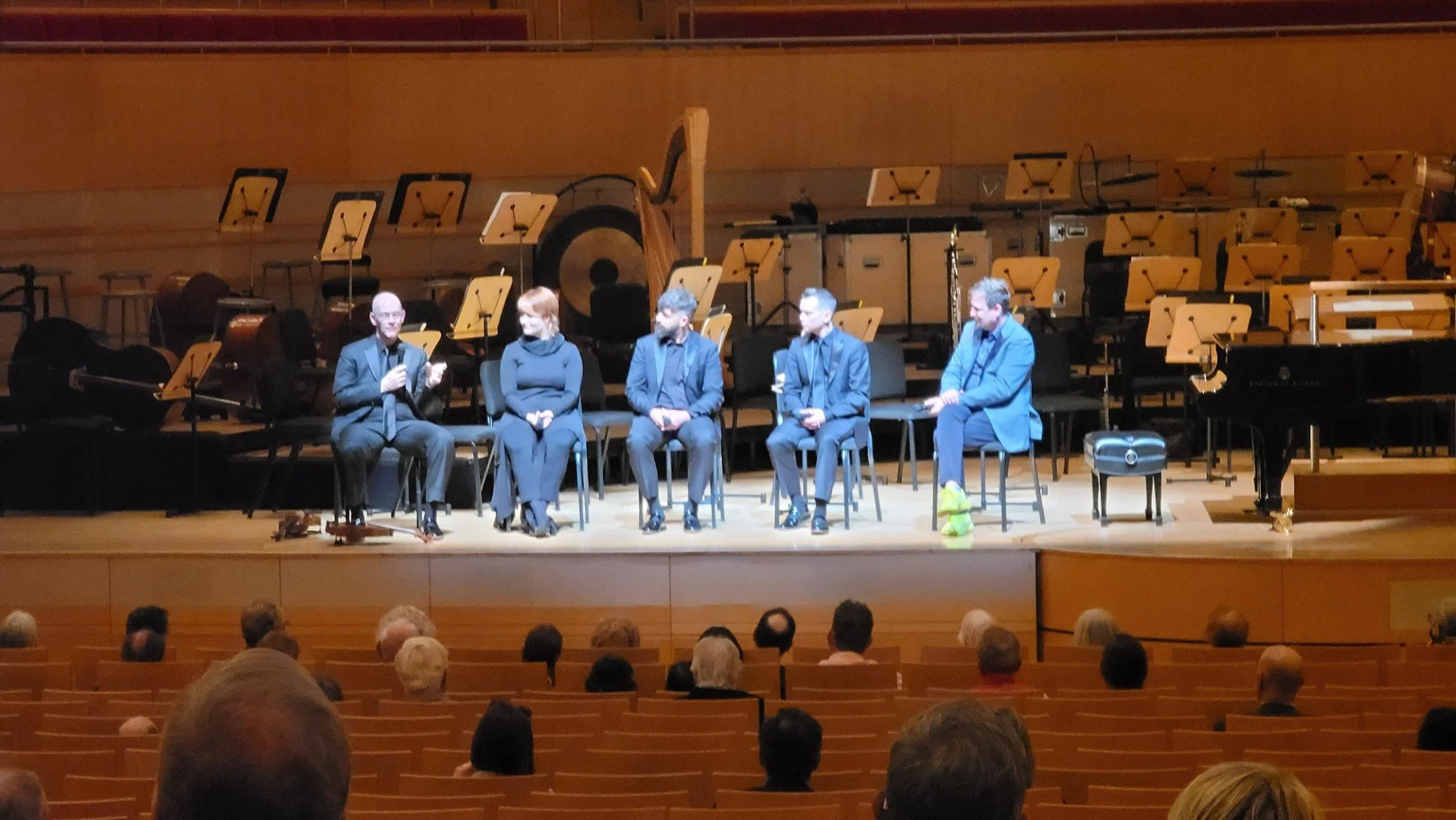
As the last movement began, soprano Sofia Fomina rose up in front of the orchestra. She sang attractively of the heavenly delights in a pure, childlike tone, and Mr. Luisi observed to a tee Mahler’s note at the head of the finale: “It is of the highest importance that the [female adult] singer should be accompanied with the utmost discretion.” The delicate orchestral accompaniment also bore out the composer’s declaration that the chief inspiration for the Fourth’s scoring was that of Verdi’s magical forest from Falstaff (which Mahler had conducted in Hamberg in 1894, and which the Los Angeles Opera will stage this month at the Dorothy Chandler Pavilion.)
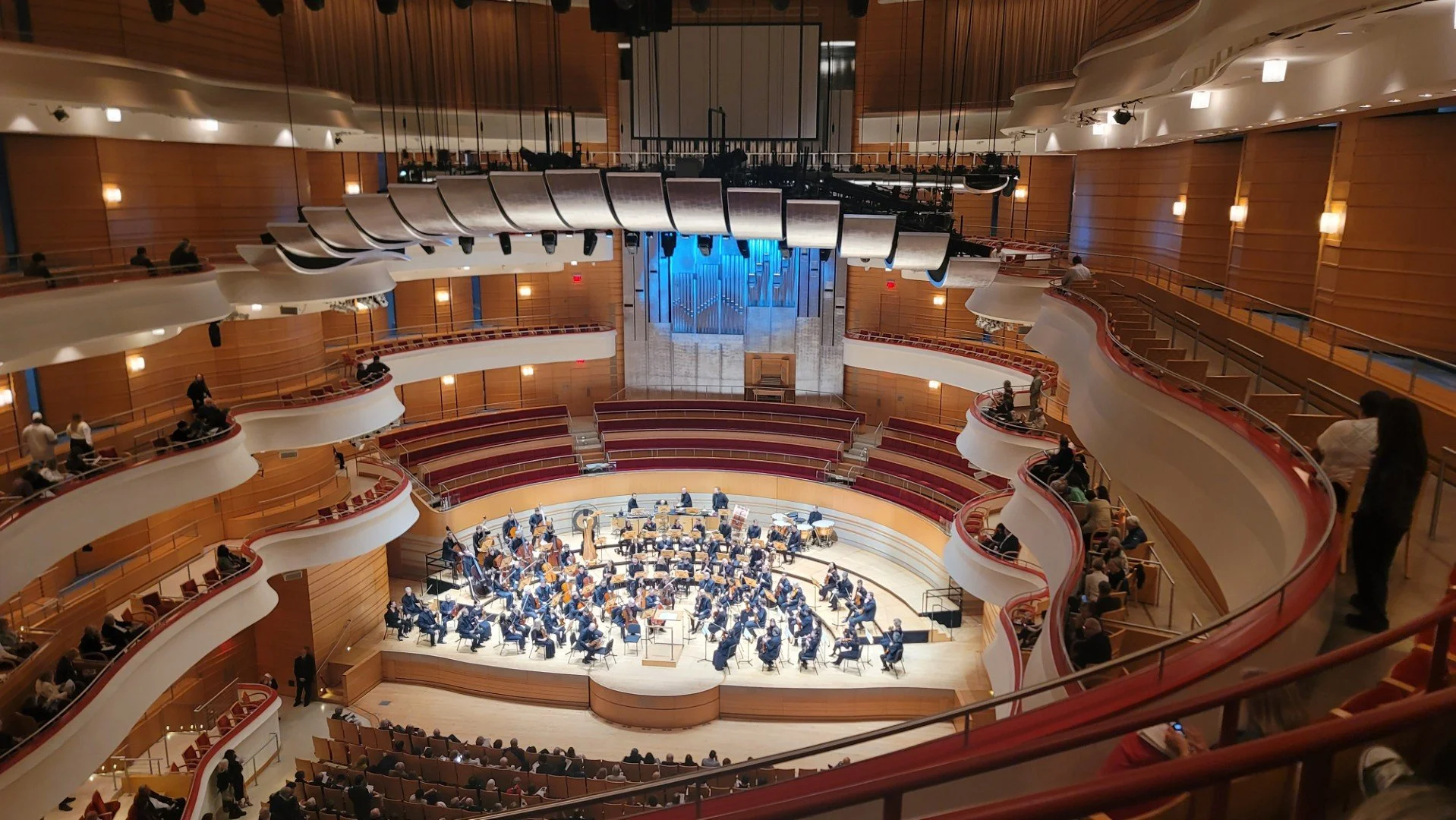
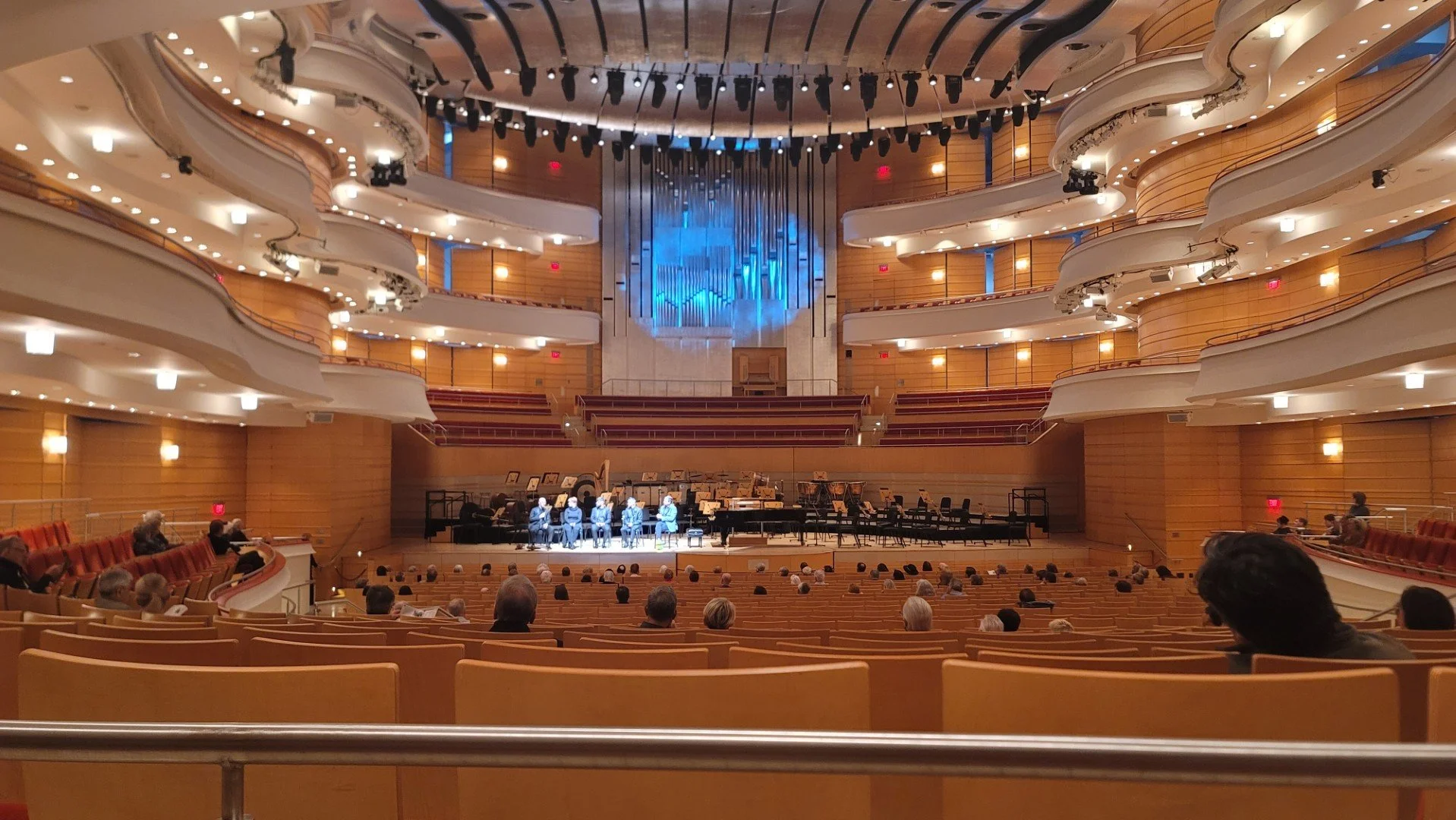
A word about the acoustics of the Renée & Henry Segerstrom Concert Hall. For the Schumann, I sat in the sunken orchestra stalls. The piano sounded clangy and lacking in bass, the orchestra also sounding top-heavy. Then after intermission I moved to an upper tier, the sound instantly improved, all orchestral sections balanced perfectly with pleasing warm string tone, and the soprano’s voice rang out pure and clear. This, unfortunately, is a common pitfall among today’s modern halls with an open stage design surrounded by rows of seats. I also observed the same thing last month in the Philadelphia Orchestra’s new Marian Anderson Hall. But Boston’s old Symphony Hall, shaped in the traditional shoebox with a proscenium-enclosed stage, was acoustically perfect.
Truman C. Wang is Editor-in-Chief of Classical Voice, whose articles have appeared in the Pasadena Star-News, San Gabriel Valley Tribune, other Southern California publications, as well as the Hawaiian Chinese Daily. He studied Integrative Biology and Music at U.C. Berkeley.